Enhancing Your Garden Design with the Poet's narcissus Plant: A Landscaping Guide
1
Poet's narcissus flourishes optimally in soil that drains effectively.
2
The ideal period to plant Poet's narcissus is during autumn, prior to the soil freezing solid.
3
Enhance Poet's narcissus by pairing it with other bulbs that bloom in spring for a vibrant visual spectacle.
Introducing Poet's narcissus to Your Garden
Choosing the Right Location for Poet's narcissus
Selecting the ideal spot for Poet's narcissus in your garden is crucial for its thriving. This plant prefers areas with full sun or partial shade. Ensure the location receives at least 6 hours of daily sunlight for optimal flowering. Avoid overly shaded spots as this may lead to fewer blooms. Additionally, consider the layout and aesthetic impact when positioning Poet's narcissus, ensuring it complements surrounding flora and structures.
Understanding Soil Preferences for Optimal Growth
Poet's narcissus thrives in well-drained soil rich in organic matter. Before planting, amend the soil by incorporating compost or aged manure to boost its fertility. Avoid areas where water tends to collect, as excessive moisture can cause bulb rot. If your garden has heavy clay soil, improve drainage by adding sand or constructing raised beds, providing the best possible environment for Poet's narcissus roots to flourish.
Seasonal Timing for Planting Poet's narcissus
To give Poet's narcissus the best start, plant the bulbs in autumn, typically six weeks before the first frost. This timing allows the bulbs to establish roots prior to winter dormancy. When planting, place bulbs 2-3 inches deep, with the pointed end facing upwards. Spacing bulbs 3-6 inches apart ensures ample room for growth without overcrowding. Following these timing and spacing guidelines will help ensure a vibrant spring display.
Design Principles Using Poet's narcissus
Creating Color Themes with Poet's narcissus
One of the most exciting aspects of integrating Poet's narcissus into your garden is its potential for vibrant color schemes. Poet's narcissus's bright and cheerful flowers can be paired with various other spring blooms to create a stunning visual effect. Consider combining Poet's narcissus with tulips, hyacinths, or crocuses to form a symphony of colors. Additionally, group the bulbs in clusters rather than straight rows for a more natural and appealing look.
Balancing Height and Structure in the Landscape
When designing your garden with Poet's narcissus, consider the overall height and structure of the landscape. Poet's narcissus typically reaches a medium height, making it a versatile choice for different garden areas. Use it as a middle layer in flower beds, with shorter plants in front and taller plants behind, creating depth and dimension. Additionally, interspersing Poet's narcissus throughout various garden zones can help unify the landscape, providing a consistent and cohesive appearance.
Complementary Planting Ideas
Poet's narcissus pairs exceptionally well with a variety of garden plants. Consider companion plants that bloom concurrently or have complementary foliage. For instance, early blooming shrubs, such as forsythias or magnolias, create a beautiful backdrop for Poet's narcissus. Perennials like hostas or ferns, offering lush, green foliage, can contrast nicely with the bright blooms of Poet's narcissus, enhancing the garden's overall aesthetic. By selecting complementary plants, you can create a visually pleasing and diverse garden.
Maintaining Poet's narcissus in Your Landscape
Seasonal Care Tips for Poet's narcissus
Consistent care throughout the year is vital for keeping Poet's narcissus healthy and vibrant. In spring, after flowering, allow the foliage to naturally wither, as this helps bulbs store energy for the next season. Regularly remove spent flowers to encourage more blooms and maintain a neat appearance. Water Poet's narcissus during dry periods, but be careful not to overwater. In autumn, mulch around the bulbs to protect them from harsh winter conditions and retain soil moisture.
Addressing Common Challenges
While Poet's narcissus is generally low-maintenance, it can encounter common issues. Pests like bulb flies or aphids might pose a threat, so monitor for these and address them promptly with appropriate treatments or organic solutions. Poor drainage can lead to bulb rot, so ensure the planting area is well-drained. If you observe reduced blooming, it may be time to divide and replant the bulbs every few years, which helps rejuvenate and sustain growth.
Long-term Benefits of Including Poet's narcissus
Incorporating Poet's narcissus into your garden offers numerous long-term advantages. Its early spring blooms are among the first to appear, signaling winter's end and bringing joy to the landscape. Once established, Poet's narcissus requires minimal upkeep, making it a fuss-free addition to your garden. Furthermore, its ability to naturalize and spread over time means you'll enjoy more blooms each passing year. By investing in Poet's narcissus, you're adding reliable and enduring beauty to your garden.
Visual Impact of Poet's narcissus
Enhancing Visual Appeal Through Strategic Placement
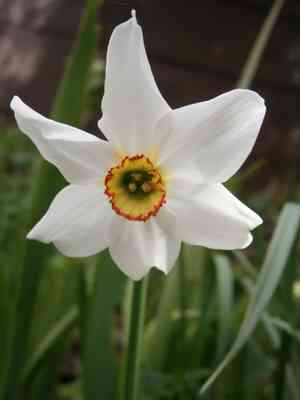
Strategically placing Poet's narcissus in key garden areas can significantly boost its visual impact. Planting Poet's narcissus along pathways or garden borders creates a welcoming and vibrant entrance. Consider positioning clusters of Poet's narcissus near seating areas or patios, where their cheerful presence can be easily enjoyed. The bright white and yellow blooms of Poet's narcissus can also serve as a focal point in your garden, drawing attention and adding a splash of color to otherwise green spaces.
Using Poet's narcissus to Create Focal Points in the Garden
Focal points are essential in garden design, and Poet's narcissus can be an excellent element to create these points of interest. Planting a large group of Poet's narcissus in one area makes a bold statement, especially when used as a centerpiece in a garden bed or around a distinct garden feature like a statue or fountain. The striking nature of Poet's narcissus's blooms naturally draws the eye, making it an ideal plant for creating standout garden moments.
Year-Round Interest with Poet's narcissus
Although Poet's narcissus is known for its spectacular spring blooms, it can contribute to year-round interest in your garden. During the growing season, its green foliage provides texture and color. After blooming, as the foliage dies back, it can be replaced with summer annuals or perennials to keep the garden lively. The bulbs lie dormant underground, ready to surprise you with their beauty the following spring, helping to maintain a dynamic and evolving garden landscape throughout the year.



