Enhancing Your Garden Design with the Philippine mussaenda Plant: A Landscaping Guide
1
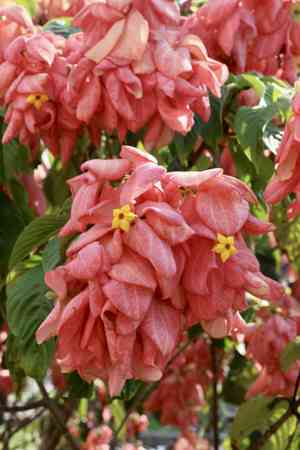
Philippine mussaenda provides a singular aesthetic charm through its vivid hues and characteristic textures.
2
Thoughtful positioning of Philippine mussaenda can greatly boost the beauty of any outdoor space.
3
Regular maintenance, such as trimming and managing pests, guarantees the well-being and extended life of Philippine mussaenda.
Introducing Philippine Mussaenda in Garden Design
Understanding the distinct characteristics of Philippine mussaenda that enhance landscape aesthetics.
Philippine mussaenda, renowned for its striking appearance, enriches any garden with its bold and beautiful blossoms. The large, prominent flowers are not only captivating but also serve as focal points in landscape layouts. The plantâs unique attributes, such as its vivid bracts and delicate petals, add depth and character, making it a preferred option for gardeners aiming to elevate their outdoor areas.
The significance of color and texture in improving garden beauty with Philippine mussaenda.
Color and texture are vital elements in garden planning, and Philippine mussaenda excels in both aspects. The bright, almost glowing hues of Philippine mussaenda flowers can create a stark contrast against green foliage, drawing attention and adding visual interest. Furthermore, the plantâs texture â a blend of soft petals and sturdy stems â can introduce diverse tactile experiences, contributing to a rich, multi-sensory garden environment.
Philippine mussaenda's adaptability to various garden styles: From formal to tropical.
A remarkable quality of Philippine mussaenda is its flexibility in adapting to diverse landscaping styles. Whether you desire a formal garden with structured, well-defined areas or a lush, tropical haven with a more natural feel, Philippine mussaenda integrates seamlessly. Its capacity to flourish in different environments makes it a versatile addition, suitable for enhancing both modern and traditional garden designs.
Selecting the Ideal Spot for Philippine Mussaenda
Assessing sunlight and shade requirements for optimal development.
Philippine mussaenda thrives best in locations with ample sunlight, though it can endure some shade. For peak growth and blooming, it's crucial to choose a garden spot that receives full sun for at least several hours daily. This ensures the plant obtains the energy needed to produce its characteristic vibrant flowers.
Considering soil conditions and drainage necessities.
Soil quality and drainage are crucial factors for the well-being of Philippine mussaenda. The plant prefers well-draining soil that retains sufficient moisture without becoming waterlogged. Before planting, it's beneficial to enrich the soil with organic matter, such as compost, to enhance its nutrient content and structure. Ensuring proper drainage helps prevent root rot and other moisture-related issues.
Strategic placement in the landscape for visual impact.
The positioning of Philippine mussaenda in your garden can significantly influence its visual appeal. Consider placing it near pathways, garden entrances, or as a central highlight in a flowerbed. Such deliberate placement not only emphasizes the plantâs beauty but also guides the viewer's gaze through the landscape, enhancing the overall aesthetic experience.
Integrating Philippine Mussaenda with Other Flora
Compatible plant species that flourish alongside Philippine mussaenda.
Incorporating Philippine mussaenda with other plants can foster a harmonious garden ecosystem. Species like ferns, hostas, and ornamental grasses make excellent companions, as their contrasting foliage accentuates Philippine mussaendaâs vibrant blooms. It's important to select plants with similar light and water needs to ensure all species thrive together.
Color and texture combinations for a unified appearance.
Creating a cohesive garden design often involves pairing plants with complementary colors and textures. With Philippine mussaenda, consider combining it with plants that have contrasting yet harmonious hues. For instance, deep greens or purples can make Philippine mussaendaâs colors stand out, while varied leaf textures can add depth and interest to your garden.
Advice for crafting appealing and balanced plant arrangements.
Achieving balance in plant groupings requires careful planning and placement. Utilize Philippine mussaenda as a foundational plant in your design, positioning it in key areas and surrounding it with smaller or less dominant species. Repeat plant groupings throughout the garden to create a sense of unity and rhythm, ensuring a visually pleasing and balanced landscape.
Year-Round Maintenance Tips for Philippine Mussaenda
Seasonal care advice to keep Philippine mussaenda thriving.
Maintaining Philippine mussaenda throughout the year involves seasonal tasks such as mulching, watering, and fertilizing. In spring, apply a slow-release fertilizer to support new growth. During summer, consistent watering is vital, especially during dry periods. In the fall, pruning and clearing fallen debris help prepare the plant for winter, while winter care includes protecting young plants from frost.
Safeguarding Philippine mussaenda from common landscaping pests and diseases.
Pests and diseases can present challenges, but proactive measures can keep Philippine mussaenda healthy. Regularly inspect the plant for signs of pests like aphids or spider mites and treat promptly with suitable insecticides or natural remedies. Implementing good cultural practices, such as proper spacing and adequate air circulation, can also lessen the risk of fungal diseases.
Pruning and grooming methods to maintain form and vitality.
Pruning is crucial for preserving the shape and health of Philippine mussaenda. Regularly remove dead or diseased branches to encourage vigorous growth. Pruning also helps manage the plantâs size, ensuring it remains proportional to the surrounding landscape. Grooming, such as deadheading spent flowers, promotes continuous blooming and keeps the plant looking neat.
Visualizing the Impact: Before and After Philippine Mussaenda in Landscaping
Examples of landscapes transformed by the inclusion of Philippine mussaenda.
To truly appreciate Philippine mussaenda's impact, examine examples of landscapes before and after its introduction. Gardens that once appeared uninspired can be transformed into vibrant, engaging spaces. The addition of Philippine mussaenda introduces color and texture, making the garden more dynamic and visually appealing.
Discussing the long-term advantages of incorporating Philippine mussaenda in garden designs.
Integrating Philippine mussaenda into your garden offers numerous long-term benefits. Beyond immediate aesthetic enhancements, Philippine mussaenda can boost biodiversity, attract pollinators, and contribute to a healthier ecosystem. Over time, the plantâs robust growth and resilience make it a sustainable choice for lasting garden beautification.
Inspiration for future endeavors and how to commence planning.
Looking ahead, Philippine mussaenda can serve as inspiration for future gardening projects. Whether you're considering expanding your current landscape or starting anew, planning begins with understanding Philippine mussaenda's needs and potential. Sketch out your ideas, research companion plants, and consult landscaping professionals to bring your vision to fruition.



