Enhancing Your Garden Design with the Compact grape hyacinth Plant: A Landscaping Guide
1
The small grape hyacinth offers vivid hues that can revitalize your garden's appearance.
2
When cultivating the small grape hyacinth, it's crucial to account for light and ground conditions.
3
Consistent upkeep guarantees the small grape hyacinth stays a focal point in your outdoor space.
Introducing Compact Grape Hyacinth in Garden Design
Appreciating the visual charm of Compact grape hyacinth
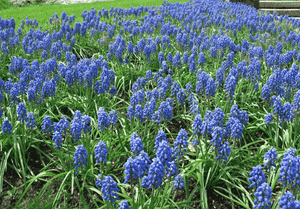
Compact grape hyacinth is prized for its striking clusters of dense, grape-like blossoms that bring vibrant color to any garden. Their small stature and rich green leaves make them adaptable for various garden styles, from formal borders to naturalized meadow settings. The deep blue to violet shades are particularly effective in contrasting with green surroundings or complementing other brightly-colored plants.
The seasonal influence of Compact grape hyacinth on garden aesthetics
Compact grape hyacinth primarily blooms in spring, offering an early burst of color that signals winter's end. These flowers can transform your garden's appearance during this season, making it lively and inviting. Furthermore, as the plants mature and their foliage develops, they sustain garden interest even after their flowering period, ensuring your landscape maintains a refined look throughout the growing season.
Selecting the Ideal Spot for Compact Grape Hyacinth
Assessing sun exposure and shade requirements for Compact grape hyacinth
Compact grape hyacinth thrives best in full sun to partial shade. For optimal growth and flowering, it's important to plant them where they can receive at least 6 hours of direct sunlight daily. However, in very hot climates, some afternoon shade can help protect them from scorching and wilting. Evaluating your garden's sun exposure will help you determine the best locations to plant Compact grape hyacinth for maximum visual impact and health.
Soil composition and drainage considerations
Soil quality is vital for the healthy development of Compact grape hyacinth. They prefer well-drained, moderately fertile soil with a neutral to slightly acidic pH. Good drainage is crucial as waterlogged soil can lead to root rot. If your garden has heavy clay soil, consider amending it with organic matter or planting Compact grape hyacinth in raised beds or containers where you can better manage soil conditions.
Design Suggestions for Incorporating Compact Grape Hyacinth into Your Landscape
Creating focal points with Compact grape hyacinth
Compact grape hyacinth can serve as stunning focal points in your garden through strategic placement. Planting them in clusters or drifts along garden paths, near entryways, or in the center of garden beds draws the eye and creates interest. Consider pairing them with complementary foliage or flowers to enhance their standout features and amplify their visual impact.
Using Compact grape hyacinth to complement other garden plants
Compact grape hyacinth integrates seamlessly with a variety of other garden plants. They work exceptionally well when paired with spring-blooming bulbs like tulips or daffodils, creating a dynamic and colorful display. The compact nature of Compact grape hyacinth also makes them ideal for planting under taller perennials or shrubs, providing a lush ground cover that adds depth and dimension to your landscape.
Maintaining Compact Grape Hyacinth in Your Garden
Seasonal care tips for Compact grape hyacinth
To keep Compact grape hyacinth thriving, it's important to follow a seasonal maintenance schedule. In the spring, ensure they have adequate water as they begin to bloom. After flowering, deadhead the spent blooms to encourage foliage growth. In the fall, apply a balanced fertilizer to support root development for the next blooming season. This simple maintenance routine can help maintain the vitality and beauty of Compact grape hyacinth year after year.
Watering approaches tailored to Compact grape hyacinth
Compact grape hyacinth requires consistent watering, especially during dry spells, but they do not thrive in soggy conditions. Water them deeply but infrequently, allowing the soil to dry out slightly between waterings. Mulching around the plants can help retain moisture and reduce the need for frequent watering. Adjust your watering practices based on the seasonal weather patterns and the specific needs of your garden's microclimate.
Innovative Concepts for Utilizing Compact Grape Hyacinth in Landscape Design
Developing color schemes with Compact grape hyacinth
Incorporating Compact grape hyacinth into a well-planned color scheme can enhance your garden's visual appeal. Their deep blue to violet flowers can create stunning contrasts with yellow, white, or pink blooms. For a more harmonious look, pair them with plants that have complementary hues like lavender or pale blue. Experimenting with different color combinations can help you achieve the desired aesthetic for your landscape.
Structuring plant layers and textures
Compact grape hyacinth can be effectively used to create layers and textures within your garden. Placing them in front of taller, more rigid plants can create a beautiful cascading effect. Their lush green foliage complements the finer textures of other ground covers or low-growing perennials. By mixing and matching different plant heights and textures, you can design a garden that is visually engaging and full of life.



