Enhancing Your Garden Design with the Curry leaf tree Plant: A Landscaping Guide
1
Provide sufficient sun exposure for robust development of your Curry leaf tree.
2
Consistent trimming aids in preserving the attractive form and structure of your Curry leaf tree.
3
Think about how nearby plants can complement each other to improve your garden's look.
Appreciating the Visual Appeal of Curry Leaf Tree
Appearance: color and leaf structure
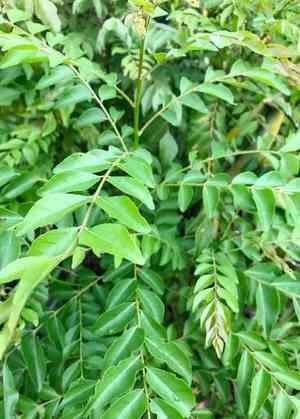
A primary draw of including the Curry leaf tree in your garden design is its distinct visual qualities. The plant is known for its vivid green leaves, which possess a delicate, plume-like texture. These abundant leaves can offer a pleasant contrast to other garden elements, making the Curry leaf tree a focal point in any landscape project. Furthermore, the structure of its leavesâfine and fern-likeâadds a textural dimension that enhances the garden's overall visual charm.
Seasonal transformations and their visual impact
Throughout the year, the Curry leaf tree undergoes subtle shifts that can bring dynamic visual interest to your landscape. In spring and summer, its bright green foliage provides a refreshing and lively backdrop. As seasons transition to autumn, the Curry leaf tree might produce small, fragrant blooms, adding delicate white flowers to its palette. Understanding these seasonal changes helps in planning a garden that remains fresh and inviting, regardless of the time of year.
Selecting the Ideal Spot for Curry Leaf Tree in Your Garden
Considering light and shade requirements
For optimal development, it's crucial to position the Curry leaf tree where it receives ample sunlight. Ideally, it should be exposed to at least six hours of direct sun daily, which will aid its growth and proper development. While the Curry leaf tree can endure some shade, excessive shade can hinder its growth and diminish its lushness. Therefore, choosing a sunny location in your garden is vital for the best results.
Soil type preferences of Curry leaf tree
Another key factor when planting the Curry leaf tree is its preferred soil type. The Curry leaf tree thrives best in well-draining, loamy soil rich in organic matter. This soil structure helps retain adequate moisture while allowing excess water to drain, preventing root rot. Regularly enriching your garden soil with compost can improve its texture and nutrient content, creating an ideal growing environment for the Curry leaf tree.
Proximity to water sources and drainage needs
Proper irrigation is essential for maintaining the health of the Curry leaf tree. Ensure the planting site has good drainage to prevent waterlogging, which can lead to root diseases. Placing the Curry leaf tree near a water source, such as an irrigation system, can simplify maintaining consistent moisture levels, especially during dry spells. However, remember that overwatering can be as detrimental as underwatering, so balance is key.
Integrating Curry Leaf Tree with Other Plants
Complementary plant species for harmony
When incorporating the Curry leaf tree into your landscape design, it's important to select compatible plant species that will blend well with it. Consider plants with contrasting colors and textures, such as deep purple foliage or delicate flowering plants, to create a visually appealing arrangement. Companion planting with species that have similar water and sunlight needs will also ensure all plants flourish together.
Avoiding plant species that could create conflicts
Equally important is to avoid planting species that might outcompete the Curry leaf tree for resources, such as water and nutrients. Aggressive or invasive plants can overshadow the Curry leaf tree and impede its growth. Choose neighboring plants carefully to ensure a balanced garden ecosystem where the Curry leaf tree and other species can coexist peacefully while supporting each other's development.
Design concepts for layering and texture variation
Layering is a valuable design technique to employ when integrating the Curry leaf tree into your garden. Plant taller species behind the Curry leaf tree and shorter ground covers in front to add depth and dimension to your landscape. Combining different textures can also create a more engaging visual experience. For instance, pairing the soft, feathery leaves of the Curry leaf tree with the broad, glossy foliage of other plants can add both contrast and visual interest.
Maintaining Curry Leaf Tree in Your Landscape
Pruning advice for optimal growth and appearance
Regular pruning is crucial for maintaining the shape and health of the Curry leaf tree. Pruning helps remove dead or diseased branches and encourages new growth. Aim to prune the Curry leaf tree at least once a year, ideally in the spring, to shape it and promote a fuller, bushier look. Prune selectively to preserve its natural form while removing any undesirable growth that detracts from its overall aesthetic.
Seasonal care considerations
Each season presents unique care opportunities and challenges for the Curry leaf tree. During the active growing months of spring and summer, focus on consistent watering and fertilizing to support vigorous growth. In the fall, prepare the Curry leaf tree for winter by reducing water and protecting it from frost. Mulching around the base can also help insulate the roots during colder periods. By adapting your care practices to the seasonal needs of the Curry leaf tree, you ensure its continued health and vibrancy.
Long-term health and vitality strategies
To maintain the long-term health and vibrancy of the Curry leaf tree, consider implementing strategies such as periodic soil testing and regular nutrient supplementation. Monitoring the plant for signs of pest infestations or disease is also important. Introducing beneficial insects or organic pest control methods can help keep the Curry leaf tree healthy without resorting to harmful chemicals. Consistent care and observation will help you address any issues promptly and keep your landscape looking its best.



