Enhancing Your Garden Design with the Lindheimer's muhly Plant: A Landscaping Guide
1
Lindheimer's muhly's height makes it an ideal background element in garden layouts.
2
Think about using Lindheimer's muhly as an easy-care ground cover option.
3
Combine Lindheimer's muhly with vibrant flora for an impressive aesthetic effect.
Introducing Lindheimer's Muhly in Landscape Design
Overview of Lindheimer's muhly and its distinct characteristics
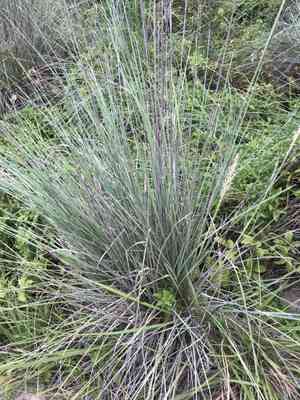
Lindheimer's muhly is a resilient and adaptable grass distinguished by its tall, graceful form and delicate foliage. Renowned for its hardiness and minimal care needs, it flourishes across diverse climates and soil types. This robust plant not only adds texture to your outdoor space but also imparts movement as its slender blades gently sway with the breeze.
Why consider Lindheimer's muhly for landscaping projects?
Integrating Lindheimer's muhly into your landscape designs offers numerous advantages. Its low maintenance demands make it an attractive option for busy gardeners. Furthermore, its broad aesthetic appealâfitting seamlessly into both modern and classic garden stylesâensures compatibility with a wide array of design concepts. Lastly, Lindheimer's muhly effectively stabilizes soil and prevents erosion, making it both a stylish and practical selection.
Innovative Applications of Lindheimer's Muhly in Garden Layouts
As a striking background: Utilizing Lindheimer's muhly's height
Harnessing the stature of Lindheimer's muhly can provide your garden with a spectacular backdrop. Its tall stems create a natural screen, offering privacy without a confined feeling. Position Lindheimer's muhly along fences, near patios, or at the rear of flower beds to enhance the sense of depth and dimension in your landscape.
Ground cover alternatives: Advantages over conventional choices
Unlike traditional ground covers that often require frequent trimming, Lindheimer's muhly presents a low-maintenance substitute. Its dense growth habit effectively covers the ground, reducing the need for mulching or weeding. This makes it an excellent choice for expansive areas where you aim to minimize upkeep while maintaining an appealing, natural look.
Accentuating pathways and borders with Lindheimer's muhly
Employ Lindheimer's muhly to delineate garden pathways and borders for a unified and refined appearance. The tall grass provides a soft, flowing edge that beautifully contrasts with hardscaped paths. Moreover, Lindheimer's muhly can serve as a guide, directing the eye along walkways and defining garden zones in a visually pleasing manner.
Incorporating Lindheimer's Muhly with Other Flora
Companion plant recommendations for Lindheimer's muhly
To cultivate a harmonious garden, pair Lindheimer's muhly with plants featuring contrasting textures and hues. Consider using flowering perennials such as coneflowers or black-eyed Susans, which introduce a burst of color and complement Lindheimer's muhly's feathery texture. Additionally, evergreen shrubs and ornamental grasses can further enhance the visual appeal.
Color scheme suggestions with Lindheimer's muhly
When designing your garden, contemplate the color palette that will best complement Lindheimer's muhly. Its subtle, silvery-green tones pair well with both vibrant and subdued shades. Combining Lindheimer's muhly with cool colors like purples and blues can foster a tranquil atmosphere, while warm colors such as reds and oranges can inject vitality and energy into the space.
Seasonal Considerations for Lindheimer's Muhly
What to anticipate in spring and summer
In spring, Lindheimer's muhly begins to emerge from its winter dormancy, gradually filling out with fresh green shoots. By summer, it displays its full height and lushness, creating a striking presence in your garden. Consistent watering during these seasons will help it reach its full potential, though it's relatively drought-tolerant once established.
Preparing Lindheimer's muhly for autumn and winter
As autumn approaches, the foliage of Lindheimer's muhly often develops a golden tint, adding seasonal interest to your garden. To ready it for winter, cut back the older growth to encourage healthy new shoots in the spring. Applying mulch around the base can also offer additional protection against the cold.
Maintaining the Aesthetic Quality of Lindheimer's Muhly
Routine inspections and straightforward maintenance advice
To keep Lindheimer's muhly looking its best, conduct regular checks to remove any dead or damaged leaves. Simple upkeep practices, such as occasional watering and light fertilization, can significantly contribute to maintaining its vibrancy and health. Periodically inspecting for pests and diseases can also ensure it remains free of infestations.
When to prune or revitalize Lindheimer's muhly for optimal growth
Pruning Lindheimer's muhly is a crucial aspect of its care. Ideally, trim it back in late winter or early spring before new growth commences. This practice rejuvenates the plant, promoting robust growth and a more attractive appearance. Furthermore, dividing the clumps every few years can prevent overcrowding and encourage vigorous growth.



