Enhancing Your Garden Design with the Swiss cheese plant Plant: A Landscaping Guide
1
Monstera deliciosa introduces an exotic feel and distinctive appearance to any outdoor space.
2
Monstera deliciosa is adaptable, flourishing across diverse landscape designs.
3
Consistent upkeep guarantees that Monstera deliciosa consistently enhances your garden's beauty and environmental well-being.
Why Incorporate Swiss Cheese Plant into Your Outdoor Space?
The impressive visual appeal of Swiss cheese plant and its role in boosting aesthetic value
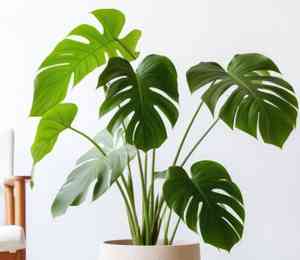
Swiss cheese plant, with its large, glossy leaves and distinctive fenestrations, can establish a dramatic presence in any garden. Its iconic foliage not only provides visual intrigue but also introduces a lush, tropical ambiance to the landscape. Whether serving as a focal point or contributing to layers of green, Swiss cheese plant elevates the visual charm of your area.
Swiss cheese plant's adaptability across various garden styles
A key attractive feature of Swiss cheese plant is its remarkable versatility. It seamlessly integrates into diverse landscape designs, be it modern, tropical, or eclectic. This flexibility makes it an outstanding option for gardeners aiming to incorporate a unique plant that complements multiple aesthetic preferences.
Growth characteristics that render Swiss cheese plant suitable for exterior environments
Swiss cheese plant is a resilient specimen that can achieve impressive size when cultivated outdoors. Its vining habit allows it to elegantly spread over walls and trellises, generating vertical interest. Furthermore, its capacity to flourish in partial shade makes it appropriate for various garden locations, offering design flexibility.
Swiss cheese plant's positive impact on a garden's ecological system
Beyond its visual allure, Swiss cheese plant positively contributes to your garden's ecosystem. Its expansive leaves assist in enhancing air quality by filtering pollutants. The plant also creates a humid microclimate, which benefits companion species and local fauna, thereby fostering a more vibrant and healthy garden environment.
Designing Your Garden Layout with Swiss Cheese Plant
Identifying the prime spot for planting Swiss cheese plant
Selecting the optimal location for Swiss cheese plant in your garden is vital for its development and the overall garden aesthetics. Seek out areas that receive filtered sunlight, as direct sun exposure can scorch its leaves. Shaded spots beneath taller trees or adjacent to north-facing walls can offer ideal conditions for Swiss cheese plant to thrive.
Grasping soil and light prerequisites
Swiss cheese plant prefers well-draining soil abundant in organic material. Ensuring proper soil drainage prevents root rot and encourages robust growth. While Swiss cheese plant flourishes in bright, indirect light, it can withstand lower light levels, making it a flexible addition for various parts of your garden.
Tips for spacing and arrangement to achieve a balanced look
When planning the placement of Swiss cheese plant, allocate ample room for its expansion. This plant can spread considerably; therefore, planting it with adequate spacing ensures it does not overshadow nearby plants. Additionally, factor in its mature height and spread to attain a harmonious and balanced garden composition.
Combining Swiss Cheese Plant with Other Flora
Choosing complementary plants that enhance Swiss cheese plant's aesthetics
Pairing Swiss cheese plant with plants exhibiting contrasting textures and colors can result in visually appealing arrangements. For instance, combining Swiss cheese plant with ferns, palms, or other tropical species can amplify the lush, exotic ambiance. For a more eclectic appearance, blend it with flowering plants that introduce vibrant bursts of color against Swiss cheese plant's green foliage.
Swiss cheese plant's compatibility with common garden varieties
Compatibility is paramount when integrating Swiss cheese plant with other garden favorites. It pairs well with a range of species, including shade-tolerant plants such as hostas and bromeliads. These plants thrive under similar conditions, ensuring a cohesive and healthy growing environment.
Crafting visually attractive and sustainable plant groupings
When designing your garden layout, consider how different plants interact visually and functionally. Grouping Swiss cheese plant with plants of varying heights and leaf shapes can add depth and interest to your garden. Environmentally conscious gardeners should also evaluate how these plants mutually support each other ecologically, promoting a flourishing garden ecosystem.
Maintaining the Vigor and Beauty of Swiss Cheese Plant
Routine checks and upkeep procedures
To keep Swiss cheese plant looking its best, perform regular examinations to detect pests or diseases. Pruning dead or yellowing leaves stimulates new growth and maintains a neat appearance. Consistent check-ups ensure minor issues are addressed before they escalate into significant problems.
Seasonal care advice to boost growth and appearance
Adjusting care routines to align with changing seasons helps preserve the vitality and attractiveness of Swiss cheese plant. During warmer months, ensure consistent irrigation and fertilize monthly with a balanced plant food. In cooler periods, reduce watering and check for any frost damage, applying mulch to the base to shield roots from cold temperatures.
Avoiding common errors in cultivating Swiss cheese plant in outdoor settings
Understanding and preventing frequent care mistakes ensures Swiss cheese plant flourishes. Overwatering is a common issue leading to root rot, so always verify soil moisture before irrigating. Furthermore, providing appropriate support for climbing varieties prevents structural harm and promotes healthy development.



