Enhancing Your Garden Design with the Wild bergamot Plant: A Landscaping Guide
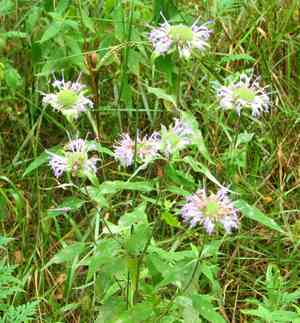
1
Monarda fistulosa draws in beneficial insects such as bees and butterflies, enriching your garden's biodiversity.
2
Monarda fistulosa is recognized for its fragrant properties, contributing a delightful aroma to your outdoor space.
3
Monarda fistulosa specimens are quite simple to care for, making them suitable for both new and seasoned gardeners.
Introducing Wild bergamot to Your Garden
Understanding the Visual Appeal of Wild bergamot
In landscaping, the aesthetic charm of Wild bergamot is a prominent attribute. These plants showcase striking, vivid blossoms that capture attention, appearing in hues of pink, purple, and white. Their distinct tubular flowers form an appealing, sculptural look that enhances any garden setting. Their bright colors and interesting forms make Wild bergamot an excellent option for adding visual interest and depth to your outdoor space.
Best Positions in the Garden for Wild bergamot
Selecting the optimal location for Wild bergamot in your garden ensures their prosperity while highlighting their beauty. Ideally, Wild bergamot should be situated in spots receiving full sun to partial shade. They prefer well-draining soil and can endure various conditions from arid to moderately moist. Consider placing them in garden borders, alongside paths, or in mixed flower beds where their tall, upright growth can contribute height and dimension.
Companion Plants that Complement Wild bergamot
Wild bergamot pairs beautifully with various other plants, fostering a harmonious and balanced garden layout. Excellent companion plants include echinacea, rudbeckia, and asters, which not only complement the colors but also share similar cultivation requirements. Combining Wild bergamot with ornamental grasses can introduce texture and movement to your landscape, while herbs like lavender or sage can enrich the aromatic experience.
Creating Color Schemes with Wild bergamot
Spring and Summer Blooms
Wild bergamot truly excels during the spring and summer months when its flowers are at their peak. To establish a vibrant and unified color scheme during these seasons, pair Wild bergamot with other early and mid-summer flowering plants such as coreopsis, black-eyed Susan, and yarrow. These combinations will guarantee a continuous display of color and variety, maintaining visual appeal throughout the warmer periods.
Autumn and Winter Considerations
While Wild bergamot is primarily recognized for its summer blossoms, there are methods to ensure your garden remains attractive even as seasons shift. In autumn, the fading flowers of Wild bergamot can impart a rustic charm to the garden, especially when combined with plants featuring striking fall foliage, such as sedum or helenium. In winter, the seed heads of Wild bergamot can add texture and interest, particularly when covered in frost, making them a valuable element of your garden's year-round allure.
Year-Round Color Coordination
To achieve a garden that looks beautiful throughout the year, it's crucial to plan for continuous color transitions. Begin by selecting plants that bloom in different seasons to complement the Wild bergamot. For instance, plant bulbs like tulips and daffodils for early spring appeal, and consider shrubs with winter berries or evergreen foliage to sustain color and structure when Wild bergamot is not in bloom. This approach ensures your garden remains lively and engaging regardless of the season.
Practical Benefits of Including Wild bergamot in Landscapes
Natural Aromatic Qualities of Wild bergamot
One of the most delightful practical advantages of Wild bergamot is its fragrant properties. The leaves and flowers of Wild bergamot release a pleasant, minty scent when brushed or crushed, making it a wonderful addition to sensory gardens. This aromatic quality not only enhances the garden's ambiance but also makes Wild bergamot an excellent choice for areas near patios or windows where the aroma can be easily enjoyed.
Attracting Pollinators with Wild bergamot
Wild bergamot is highly effective at drawing in various pollinators, including bees, butterflies, and hummingbirds. This makes it an invaluable plant for fostering biodiversity within your garden. By offering a dependable food source and habitat for these beneficial creatures, Wild bergamot supports the health of your garden's ecosystem, leading to more vigorous plant growth and improved pollination of nearby flowers and crops.
Easy Maintenance Tips for Wild bergamot
Maintaining Wild bergamot is relatively simple, making it an ideal plant for gardeners of all experience levels. To keep your Wild bergamot healthy and thriving, ensure they receive adequate sunlight and water them regularly, especially during dry spells. Removing spent blooms can encourage further flowering and prevent self-seeding if desired. Additionally, dividing the plants every few years can help prevent overcrowding and maintain their vigor.
Design Ideas Using Wild bergamot
Border Edges and Wild bergamot
Wild bergamot functions wonderfully as a plant for garden borders. Its upright growth habit and attractive flowers provide a striking boundary to garden beds and pathways. When utilized in borders, Wild bergamot can define spaces and create a sense of order and structure, while also softening the harsh edges of garden paths or walls with its lush foliage.
Creating Focal Points with Wild bergamot
If you're aiming to establish focal points in your garden, Wild bergamot is an excellent option. Planting groups of Wild bergamot in strategic locations can draw attention and serve as visual anchors within your landscape design. Their bold and bright blooms can stand out against more subdued plants, making them perfect for highlighting specific areas or features within your garden.
Incorporating Wild bergamot into Container Gardening
For those with limited garden space or those seeking to enhance patios and balconies, Wild bergamot can easily be cultivated in containers. When planted in pots, Wild bergamot adds height and color to small areas, creating an inviting and lively atmosphere. Ensure the container has good drainage, use high-quality potting mix, and water regularly to keep your container garden flourishing.



