Enhancing Your Garden Design with the Creeping cucumber Plant: A Landscaping Guide
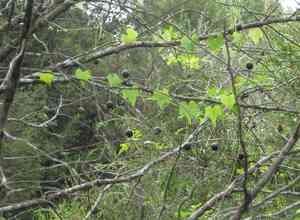
1
Creeping cucumber is recognized for its appealing, spreading growth pattern that can cover bare spots in your garden design.
2
Incorporating Creeping cucumber into your garden can bring in more diverse life, drawing in pollinators and helpful insects.
3
Creeping cucumber needs very little care, making it a great option for gardeners at any experience level.
Introducing Creeping Cucumber in Garden Design
Appreciating the visual charm of Creeping Cucumber
Creeping cucumber offers a distinct aesthetic to any garden with its appealing, shiny leaves and fine tendrils. This vine's spreading habit allows it to fill in unattractive spaces or provide ground cover in difficult-to-plant zones. Its subtle presence can integrate smoothly with various garden styles, adding a layer of richness and depth without overpowering existing flora.
Advantages of incorporating Creeping Cucumber into your garden
Adding Creeping cucumber to your garden provides numerous benefits. The plant's robust growth can help prevent soil erosion, making it a practical option for sloped areas. Furthermore, the thick foliage of Creeping cucumber can act as a natural weed deterrent, reducing the need for chemical weed control. Moreover, Creeping cucumber is drought-resistant, thriving even in less-than-ideal soil conditions, meaning it can flourish with minimal watering once established.
Brief facts about Creeping Cucumber
To summarize quickly, here are some brief facts about Creeping cucumber: it features attractive spreading growth perfect for filling gaps, it significantly boosts garden biodiversity, and it requires minimal upkeep.
Designing Your Outdoor Space with Creeping Cucumber
Selecting the optimal site for Creeping Cucumber
Choosing the ideal spot for Creeping cucumber in your garden is essential. This plant thrives in areas with partial to full sun exposure. Consider planting it where it can drape over rocks, walls, or other structural elements to maximize its visual appeal. It's incredibly adaptable, suitable for both ground cover and container cultivation. Ensure the soil drains well to prevent waterlogging and root decay.
Companion plants for Creeping Cucumber
Regarding companion planting, Creeping cucumber pairs well with a variety of other plants. Consider placing it alongside perennials like hostas and ferns, which complement its lush green foliage. Flowering plants such as marigolds, asters, and daylilies can add vibrant splashes of color, enhancing the overall visual interest of your landscape. Also, pairing Creeping cucumber with shrubs like azaleas or boxwoods can create a diverse and visually appealing garden bed.
Themes and styles that complement Creeping Cucumber
Creeping cucumber fits perfectly into numerous garden themes and styles. For a woodland garden, its natural, untamed growth pattern aligns beautifully with the rustic aesthetic. In a minimalist or modern garden, Creeping cucumber's simple yet elegant appearance can act as a soothing ground cover. Its versatility also makes it a great addition to cottage gardens, where it can be used to soften the edges of paths and borders with its footpath-friendly foliage.
Care Guidelines for Creeping Cucumber in Your Garden
Seasonal care for Creeping Cucumber
Caring for Creeping cucumber throughout the seasons involves a few simple steps. In spring, trim back any dead or damaged stems to encourage new growth. During the summer, ensure the plant receives adequate water, particularly in dry spells, but avoid waterlogging. Fall is the time to reduce watering and allow the plant to naturally slow its growth. In winter, especially in colder climates, applying a layer of mulch can protect the roots from severe cold.
Managing the growth and spread of Creeping Cucumber
Creeping cucumber is known for its vigorous growth, which means regular maintenance is necessary to keep it in check. Prune regularly to prevent it from overgrowing and smothering other plants in your garden. If you notice undesired spread, simply trim back the runners to control its expansion. Installing barriers or edging around garden beds can also help manage its spread and keep it contained within a desired area.
Common issues and remedies for Creeping Cucumber
While Creeping cucumber is generally low-maintenance, it can encounter some issues. Pests such as aphids or spider mites may occasionally target the plant, but they can usually be managed with natural remedies like neem oil. Overwatering is a common problem, leading to root rot or fungal infections, so ensure proper drainage. Yellowing leaves might indicate nutrient deficiencies, which can be addressed with a balanced fertilizer.
Visual and Practical Advantages of Creeping Cucumber
Boosting visual appeal with Creeping Cucumber
One of the most appealing aspects of Creeping cucumber is its ability to enhance the visual interest of your garden. Its cascading foliage and delicate tendrils add a dynamic and textured element that is hard to achieve with other plants. Whether used as ground cover, trained to climb trellises, or allowed to spill over garden walls, Creeping cucumber creates a lush, verdant look that's both soothing and aesthetically pleasing.
How Creeping Cucumber supports biodiversity
Creeping cucumber plays a vital role in promoting garden biodiversity. Its flowers and foliage attract a range of pollinators, including bees and butterflies. This, in turn, helps support the populations of these beneficial insects. Additionally, Creeping cucumber can provide habitat and shelter for small wildlife, adding another layer of ecological value to your garden.
Utilizing Creeping Cucumber for practical landscaping purposes
Beyond its aesthetic appeal, Creeping cucumber can serve several practical purposes in your garden. Its dense growth habit makes it an excellent choice for erosion control on slopes or embankments. It can also act as a natural mulch, helping to retain moisture and suppress weeds around other plants. Furthermore, Creeping cucumber can be used to disguise unsightly garden features, such as compost bins or utility areas, blending functionality with beauty.



