Enhancing Your Garden Design with the Chinaberry tree Plant: A Landscaping Guide
1
The Chinaberry tree offers continuous aesthetic appeal through its seasonal transformations.
2
Selecting an appropriate site for the Chinaberry tree is vital for its development and appearance.
3
Regular upkeep guarantees the enduring attractiveness and vitality of the Chinaberry tree.
Exploring the Features of the Chinaberry Tree
Visual attributes of the Chinaberry tree
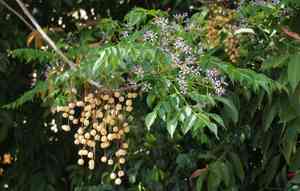
The Chinaberry tree is a notable addition to any garden, prized for its appealing characteristics. It showcases lovely, glossy foliage that offers a rich green backdrop throughout its active growth phase. Its small, fragrant, lilac-hued blossoms appear in clusters, lending charm and a delightful aroma to your outdoor space. As autumn nears, these flowers are replaced by clusters of yellowish, berry-like fruits that remain on the tree, providing visual interest during colder periods. The aesthetic appeal of the Chinaberry tree stems not only from its flowers but also from its overall form, featuring a well-distributed branching structure that forms an attractive canopy.
Seasonal transformations and their visual impact
One of the most captivating aspects of the Chinaberry tree is its seasonal metamorphosis. In spring and early summer, it produces delicate, lavender blooms that beautifully contrast with its green leaves. As seasons shift, the foliage adopts a slightly muted shade before shedding in late autumn, leaving behind a striking silhouette adorned with clusters of golden fruits. These fruits persist into winter, adding a burst of color to an otherwise stark landscape. This seasonal variation ensures the Chinaberry tree remains a garden highlight throughout the year.
Height and growth habits of the Chinaberry tree
The Chinaberry tree is a medium to large deciduous tree capable of reaching impressive heights, typically growing 30-50 feet at maturity. Its growth rate is relatively swift, making it an excellent option for gardeners aiming to quickly establish a mature landscape. The tree's growth pattern includes a broad, spreading canopy that offers ample shade. However, it's crucial to provide sufficient space for the Chinaberry tree to fully develop without crowding other plants. Be aware that its root system can be extensive, so planting it in an area where its spread is manageable is vital for a balanced garden design.
Optimal Placement for Chinaberry Tree in Your Garden
Selecting the ideal spot based on sun exposure and soil type
For the Chinaberry tree to flourish in your garden, choosing the correct location is paramount. This tree prefers full sun, requiring at least six hours of direct sunlight daily for optimal growth. It can endure partial shade, but this might impact its flowering and overall development. Soil type is another critical factor; the Chinaberry tree thrives in well-drained, fertile soils but adapts to various soil conditions, including sandy or clay. Ensure the soil isn't prone to waterlogging, as this can lead to root rot and other health issues for the tree.
Impact of proximity to other plants on growth
The placement of the Chinaberry tree relative to other plants in your garden can significantly affect its growth and the overall harmony of your landscape. Given its potential size and spread, planting it too close to other trees or large shrubs can result in competition for light, water, and nutrients. It's best to plant the Chinaberry tree at least 15-20 feet away from other large plants to allow ample room for growth. Additionally, avoid planting it near structures or walkways where its roots or canopy might cause problems as it matures.
Strategies for enhancing landscape aesthetics through thoughtful planting
Thoughtful planting of the Chinaberry tree can maximize its visual appeal and contribute to your garden's overall beauty. Consider planting it as a solitary specimen to highlight its unique features, such as its flowers and fruit clusters. Alternatively, you can create a focal point by grouping the Chinaberry tree with complementary plants that enhance its visual charm. Using the Chinaberry tree as a backdrop for smaller flowering shrubs or perennials can create layered visual interest. Finally, consider pathways and seating areas near the Chinaberry tree to enjoy the shade and beauty it provides year-round.
Pairing Chinaberry Tree with Other Flora
Recommended companion plants for the Chinaberry tree
When selecting companion plants for the Chinaberry tree, opt for those that thrive in similar soil and light conditions. Excellent companions include flowering shrubs like azaleas and hydrangeas, which offer contrasting blooms and foliage textures. Groundcovers such as vinca or creeping thyme can complement the tree's base, adding greenery and helping to retain soil moisture. Ornamental grasses are also a good choice, providing movement and a different texture that contrasts well with the tree's lush canopy.
Creative concepts for mixed plant arrangements
Designing a mixed planting scheme with the Chinaberry tree can elevate your garden's visual appeal. Begin by considering the layers in your garden: canopy, understory, and ground cover. Position the Chinaberry tree as the canopy layer, then select a mix of medium-sized shrubs and smaller plants to form the understory. This layering not only adds depth but also boosts biodiversity. For instance, a combination of evergreen and deciduous shrubs can ensure year-round interest. Incorporating seasonal flowers can create bursts of color that change with the seasons, enhancing the dynamic nature of the landscape.
Understanding color and texture variations
Achieving a balanced and striking garden design involves grasping the principles of color and texture contrast. The Chinaberry tree's lush green foliage and lilac flowers pair well with plants offering diverse textures and colors. For example, foliage plants with variegated leaves can provide a stark contrast to the Chinaberry tree's uniform greenery. Similarly, plants with bold, brightly colored flowers can complement the tree's subtle blooms. Incorporating a variety of textures, such as the delicate leaves of ferns or the coarse foliage of ornamental grasses, can create a visually stimulating garden that highlights the unique characteristics of the Chinaberry tree.
Preserving the Allure of the Chinaberry Tree
Regular inspections and fundamental care advice
Maintaining the Chinaberry tree involves routine checks and basic care practices to keep it healthy and attractive. Begin with regular inspections to detect any early signs of pests or diseases. Pruning is essential, particularly to remove dead or damaged branches, which promotes better air circulation and reduces disease risk. Additionally, ensure the soil around the Chinaberry tree remains fertile by adding organic mulch annually. Mulch not only retains moisture but also enriches the soil as it decomposes. Consistent watering, especially during dry spells, is crucial for supporting the tree's growth.
Seasonal care adjustments for the Chinaberry tree
Different seasons necessitate specific care adjustments for the Chinaberry tree. In spring, focus on pruning and removing any winter damage to encourage new growth. Summer care should include regular watering and monitoring for pests like aphids or caterpillars. As autumn approaches, prepare the Chinaberry tree for colder months by reducing water and applying a layer of mulch to protect the roots from frost. Winter care involves minimal intervention; however, occasional checks to ensure the fruits aren't causing undue stress on the branches can be beneficial.
Addressing common issues without complex interventions
While the Chinaberry tree is relatively low-maintenance, it may occasionally encounter common issues such as pest infestations or nutrient deficiencies. Simple solutions often suffice for these problems. For instance, introducing natural predators like ladybugs can control aphid populations without resorting to chemical pesticides. If you observe yellowing leaves, which can indicate a nutrient deficiency, a balanced fertilizer can help restore the necessary nutrients. Regularly clearing fallen debris around the tree can also prevent fungal infections and keep the area tidy.



