Enhancing Your Garden Design with the European waterclover Plant: A Landscaping Guide
1
The European waterclover is recognized for its unique clover-like look, enhancing any garden's aesthetic.
2
It flourishes in both water and land settings, offering flexibility for diverse landscaping endeavors.
3
Adding European waterclover to your garden plan can foster ecological variety and environmental balance.
Introduction to Landscaping with European waterclover
What makes European waterclover a unique choice for landscaping?
A key attractive feature of European waterclover is its distinct clover-like foliage, which lends a charming and calming look to any garden. Unlike many plants, European waterclover thrives in both wet and dry settings, offering design flexibility. Furthermore, its capacity to grow in diverse conditionsâfrom full sun to partial shadeâmakes it a versatile option for various garden environments.
Comparison of European waterclover with other typical landscaping plants
When contrasted with other common landscaping flora, European waterclover stands out not only for its distinct appearance but also for its adaptability. While popular plants like ferns and hostas are restricted to shaded spots, European waterclover flourishes in both sunny and dim areas. Traditional flowering plants may offer seasonal blooms, but European waterclover provides year-round greenery and visual appeal. Additionally, its water tolerance gives it an advantage over many plants that require well-drained soil.
Designing Your Space with European waterclover
Planning the layout: Incorporating European waterclover effectively
To effectively integrate European waterclover into your landscape, consider your garden's various zones. Utilize it as a groundcover to form a lush, green expanse or plant it along pond edges to enhance the aquatic atmosphere. Mapping your garden area and understanding its soil and light conditions will help you pinpoint ideal planting locations for European waterclover. Pair it with compatible plants that thrive in similar conditions for a harmonious look.
Creative design ideas using European waterclover
There are many imaginative ways to employ European waterclover in your garden design. For instance, border a garden path with European waterclover to create a soft, green edge. In water gardens, European waterclover can function as a natural floating plant, boosting the pond's serenity. It can also be cultivated in decorative pots, which can be strategically placed around seating areas or patios to bring greenery closer to outdoor living spaces.
Benefits of Choosing European waterclover for Your Garden
Aesthetic appeal and visual benefits of European waterclover
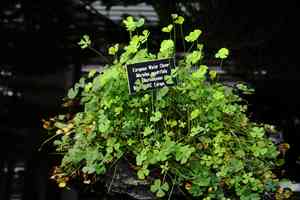
The visual charm of European waterclover is undeniable. Its delicate, four-leaf pattern offers a refreshing alternative to standard foliage. The rich green hue of its leaves adds vibrancy and can brighten any garden nook. As a ground cover, it creates a soft, inviting texture that beautifully contrasts with hardscapes and other garden elements.
Environmental impact and sustainability of using European waterclover
Incorporating European waterclover into your garden positively impacts the environment. It contributes to soil stabilization, which aids in preventing erosion. As an aquatic plant, it can also assist in water filtration, improving the quality of garden ponds and water features. Furthermore, its low-maintenance nature means fewer resources are needed for upkeep, making it a sustainable choice for eco-conscious gardeners.
Maintaining Your European waterclover Landscaping
Basic tips for upkeep of European waterclover in your garden
Caring for European waterclover is relatively simple. Ensure the soil remains moist but not saturated for terrestrial planting, and maintain clean water for aquatic environments. Regular trimming helps manage its spread and keeps it neat. Fertilize sparingly during the growing season to encourage healthy growth without overfeeding the plant.
Seasonal considerations for European waterclover care
Seasonal care for European waterclover involves a few adjustments. In winter, a light layer of mulch can help protect terrestrial plants from frost. For aquatic European waterclover, ensure your water feature does not completely freeze. In spring, clear away any dead leaves to allow for new growth. Summer care includes consistent watering and monitoring for pests, though European waterclover is generally resistant to most garden pests and diseases.
Innovative Uses of European waterclover in Different Types of Gardens
Using European waterclover in small vs. large spaces
Whether you possess a compact urban garden or an expansive rural landscape, European waterclover can be adapted to suit. In small gardens, use it in container arrangements or modest water features. In larger areas, European waterclover can cover extensive spaces as a ground cover or be part of a broader pond ecosystem. Its versatility allows you to scale your design concepts up or down based on your space limitations.
Case studies: Successful projects featuring European waterclover
Numerous garden projects have successfully integrated European waterclover to great effect. For instance, one urban garden featured it around a rooftop water feature, creating a miniature ecosystem. Another project extensively used European waterclover in a large country garden to stabilize soil on a gentle slope and enhance the natural beauty of a man-made pond. These examples highlight the diverse applications and advantages of including European waterclover in your landscaping plans.



