Enhancing Your Garden Design with the Brazilian jasmine Plant: A Landscaping Guide
1
Brazilian jasmine flourishes in balmy environments, bringing a tropical touch to landscapes.
2
Thoughtful plant combinations elevate the aesthetic charm of Brazilian jasmine.
3
Consistent upkeep and appropriate seasonal attention ensure Brazilian jasmine remains robust and lively.
Appreciating the Visual Appeal of Brazilian Jasmine
Features of Brazilian jasmine that enhance outdoor areas
Brazilian jasmine imparts a distinct allure to any setting with its abundant green leaves and vivid blossoms. The plant's vigorous growth establishes a visually prominent presence, making it perfect for adding depth and structure to garden layouts. Beyond its striking look, Brazilian jasmine is also recognized for its graceful climbing habit, which can transform arbors, trellises, and fences into vibrant, living tapestries. Its capacity for both vertical and horizontal growth offers design flexibility, enabling diverse creative applications.
Color and texture variations in Brazilian jasmine
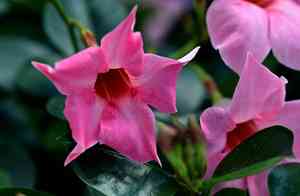
A key characteristic of Brazilian jasmine is its range of color and texture options. The plant is highly valued for its stunning flowers, which appear in shades from soft pinks and whites to deep reds. These brilliant blooms offer a beautiful contrast with its glossy, dark green leaves, adding a multi-dimensional aesthetic to any garden. Furthermore, the waxy feel of Brazilian jasmine's leaves provides a visual and tactile contrast to softer, more delicate plants, creating a balanced and engaging landscape.
Seasonal changes and their visual impact
Brazilian jasmine provides a dynamic visual experience throughout the different seasons. During warmer periods, the plant is typically in full bloom, showcasing an abundance of colorful flowers that attract pollinators like bees and butterflies. As temperatures decrease, Brazilian jasmine may shed some foliage, but it remains a significant visual element with its woody stems and remaining greenery. This seasonal variation can introduce a rhythmic pattern to your garden, keeping it interesting and lively all year.
Optimal Strategies for Integrating Brazilian Jasmine with Other Plants
Complementary plants for Brazilian jasmine in garden settings
When incorporating Brazilian jasmine into your garden, it's crucial to select compatible plants that can coexist harmoniously. Plants such as ferns, hostas, and ornamental grasses make excellent companions due to their contrasting foliage and texture. These plants not only enhance the beauty of Brazilian jasmine but also foster a diverse and balanced ecosystem. Additionally, flowering plants like lavender or marigolds can offer complementary color schemes and attract beneficial insects, contributing to the overall health and vibrancy of your garden.
Designing plant groups: Thematic and color coordination
Creating cohesive plant groupings with Brazilian jasmine involves thematic and color coordination. A tropical theme, for instance, can be achieved by pairing Brazilian jasmine with other lush, exotic plants like hibiscus and palms. Conversely, a more understated, cottage-style garden can be created by combining Brazilian jasmine with pastel flowering shrubs and perennial herbs. Pay attention to color coordination as wellâselecting plants that either match or contrast with Brazilian jasmine's vibrant blooms can result in a visually pleasing and integrated landscape design.
Spacing and positioning tips for balanced views
Proper spacing and placement are vital for achieving balanced and aesthetically pleasing views in your garden. Brazilian jasmine should be situated where it has ample room to grow and spread without crowding other plants. Ideally, place Brazilian jasmine near trellises or arbors to allow its climbing nature to thrive. Ensure sufficient space between plants to maintain air circulation and reduce the likelihood of disease. Thoughtful positioning not only enhances the health of your garden but also creates a structured and harmonious visual flow.
Landscape Planning: Where to Plant Brazilian Jasmine?
Identifying ideal spots in your garden for Brazilian jasmine
Choosing the perfect location for Brazilian jasmine in your garden involves considering several factors, such as sunlight, soil quality, and proximity to other plants. Brazilian jasmine flourishes in full to partial sunlight, making it suitable for south or west-facing areas that receive ample daylight. The soil should be well-draining and rich in organic matter to support vigorous growth. Additionally, placing Brazilian jasmine near structures like pergolas or garden walls can provide the necessary support for its climbing habit and help integrate it seamlessly into your landscape.
Factors influencing the placement of Brazilian jasmine
Several elements can impact the optimal placement of Brazilian jasmine in your landscape design. Climate considerations, such as temperature and humidity levels, play a significant role in its growth and flowering. Wind protection is also crucial, as strong gusts can damage its delicate flowers and foliage. Accessibility for maintenance tasks like watering, pruning, and pest control should be factored in to ensure the plant remains healthy and vibrant. By considering these aspects, you can create a favorable environment for Brazilian jasmine to thrive.
Maximizing the visual effect of Brazilian jasmine through strategic placement
To maximize the visual impact of Brazilian jasmine in your garden, consider its placement carefully. Positioning Brazilian jasmine in prominent locations, such as garden entrances, along pathways, or as a backdrop for seating areas, can create striking focal points. Utilizing Brazilian jasmine in vertical spaces can draw the eye upwards, adding height and dimension to your garden. Furthermore, grouping Brazilian jasmine with other complementary plants can create lush, cohesive plantings that enhance the overall visual appeal. Strategic placement ensures that Brazilian jasmine is showcased to its fullest potential, elevating the beauty of your landscape.
Maintenance Tips and Seasonal Care for Brazilian Jasmine
Routine care tasks for Brazilian jasmine in landscapes
Regular maintenance is essential to keep Brazilian jasmine healthy and vibrant. Consistent watering, especially during dry periods, helps maintain adequate moisture levels. Applying a balanced fertilizer during the growing season can promote lush foliage and abundant flowering. Pruning is another critical aspect of care, as it helps shape the plant, removes dead or diseased branches, and encourages new growth. Mulching around the base of Brazilian jasmine can help retain soil moisture and regulate temperature, providing a stable environment for root development.
Handling Brazilian jasmine during extreme weather
Extreme weather conditions can present challenges for Brazilian jasmine. During harsh winters, protecting the plant with frost covers or moving potted specimens indoors can prevent damage from freezing temperatures. In scorching summer heat, providing shade during the hottest part of the day can help reduce stress on the plant. Additionally, ensuring proper irrigation during extreme droughts is vital to prevent dehydration and maintain overall plant health. By taking these precautions, you can safeguard Brazilian jasmine against the adverse effects of extreme weather.
Seasonal grooming and conditioning for optimal growth
Seasonal grooming and conditioning are crucial for maintaining Brazilian jasmine in peak condition. In early spring, conduct a thorough inspection and remove any damaged or dead branches to encourage healthy growth. During the blooming season, deadheading spent flowers can promote further flowering and maintain a tidy appearance. In late fall, consider applying a slow-release fertilizer to provide essential nutrients for the next growing season. These seasonal care practices ensure that Brazilian jasmine remains healthy, vigorous, and visually stunning throughout the year.
Creative Ideas for Using Brazilian Jasmine in Landscape Designs
Unique design concepts incorporating Brazilian jasmine
Brazilian jasmine offers numerous possibilities for creative landscape designs. Consider using Brazilian jasmine to create living walls, where the plant's climbing nature can cover vertical surfaces with lush greenery and colorful blooms. Another idea is to use Brazilian jasmine to define garden rooms or outdoor living spaces, using its dense foliage to create natural partitions. Additionally, Brazilian jasmine can be trained to grow around garden arches or pergolas, adding a romantic and whimsical element to your landscape. These unique design concepts can transform your garden into a captivating and inviting space.
Using Brazilian jasmine as focal points or subtle background plants
Depending on your design goals, Brazilian jasmine can be employed as a striking focal point or a subtle background plant. As a focal point, Brazilian jasmine can draw attention to specific areas of the garden, such as entrances, seating areas, or water features. Its vibrant blooms and lush foliage make it an eye-catching centerpiece. Alternatively, Brazilian jasmine can be used as a background plant, providing a lush, green backdrop for other flowering plants to shine. This versatility allows you to use Brazilian jasmine in various ways to achieve different aesthetic effects.
Innovative ways to blend Brazilian jasmine into traditional and modern landscapes
Brazilian jasmine can seamlessly integrate into both traditional and modern landscape designs. In traditional gardens, Brazilian jasmine can enhance classic elements like trellises, arbors, and formal plantings. Its vibrant blooms and lush foliage complement the structured and orderly nature of traditional designs. In modern landscapes, Brazilian jasmine can be used to soften hardscapes like concrete walls or metal structures, adding a touch of nature to sleek, minimalist designs. Its versatility makes it an excellent choice for various landscape styles, allowing you to create a cohesive and harmonious environment.



