Enhancing Your Garden Design with the Texas nipple cactus Plant: A Landscaping Guide
1
The Texas nipple cactus flourishes in ample direct light and soil that drains effectively.
2
Incorporating the Texas nipple cactus into your garden design can boost both its beauty and the variety of life it supports.
3
Consistent care is crucial for maintaining the health and attractive appearance of the Texas nipple cactus.
Understanding the Role of Texas Nipple Cactus in Landscape Design
Exploring the aesthetic contribution of Texas nipple cactus
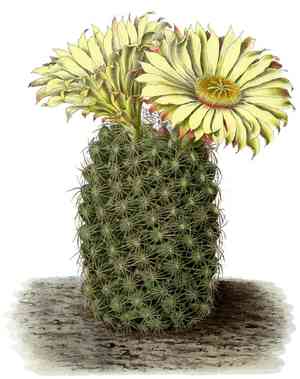
When planning a landscape, the visual appeal of chosen plants is a primary consideration. Texas nipple cactus offers a distinctive and striking appearance to any garden. Its rounded form, spiny surface, and potential for vibrant flowers make it a prominent feature. Whether crafting a desert-themed garden or seeking a unique addition to a mixed planting, this cactus provides significant visual interest. Incorporating it can spark conversation and add layers of visual texture to your outdoor space.
Advantages of integrating Texas nipple cactus into outdoor environments
Beyond its visual charm, Texas nipple cactus provides several practical benefits for outdoor areas. It is a drought-tolerant plant, making it an excellent choice for xeriscaping or regions prone to arid conditions. This characteristic not only conserves water but also means the cactus requires less frequent attention, making it a low-effort option for busy gardeners. Furthermore, adding Texas nipple cactus can attract beneficial wildlife, particularly pollinators like bees, thereby enhancing your garden's biodiversity.
Selecting the Ideal Spot for Texas Nipple Cactus
Evaluating light exposure and shade requirements for Texas nipple cactus
Texas nipple cactus thrives best in a location that receives abundant sunlight throughout the day. Ideally, it should be situated where it gets at least six hours of direct sun. However, in exceptionally hot climates, providing some afternoon shade can help prevent the plant from getting scorched. Placing it in a sunnier spot ensures it absorbs sufficient light to support its growth and encourage blooming.
Preferred soil conditions for Texas nipple cactus
Choosing the appropriate soil is vital for the healthy development of Texas nipple cactus. This succulent flourishes in well-draining soil to prevent root decay, which can occur if the soil retains too much moisture. A soil mix specifically for cacti or a sandy blend works optimally. If planting in a garden bed, amending the soil with sand or small gravel can improve its drainage capabilities. Ensuring proper drainage is crucial to avoid water accumulation around the roots.
Design Concepts Utilizing Texas Nipple Cactus
Creating visual anchors with Texas nipple cactus in garden layouts
Texas nipple cactus can serve as an outstanding focal point in a garden design. Its unique shape and texture naturally draw the eye. Position it in prominent spots such as the center of a succulent garden, within rock gardens, or at the forefront of larger plants. Grouping several Texas nipple cacti can form an attractive cluster that acts as a central element within your landscape scheme.
Companion plants that enhance the beauty of Texas nipple cactus
To accentuate the appeal of Texas nipple cactus, consider pairing it with complementary plants. Succulents like agaves or aloes, which also thrive in similar conditions, can improve the overall aesthetic. Additionally, low-growing ground covers such as sedums can create a lovely contrast with the cactus's form. Selecting plants with varied colors and textures can make the entire arrangement more dynamic and visually engaging.
Caring for Texas Nipple Cactus in Your Landscape
Seasonal considerations for optimal development
While Texas nipple cactus is relatively easy to care for, specific seasonal attention can promote its best growth. During its active growth period, typically spring and summer, ensure it receives adequate water to prevent excessive dryness, but still be wary of overwatering. In winter, significantly reduce irrigation as the cactus enters dormancy. Paying attention to seasonal watering needs helps ensure the health and longevity of your Texas nipple cactus.
Simple solutions for common problems
Even resilient plants like Texas nipple cactus can face issues. If you observe signs of rot, such as black or soft spots, it might be due to excessive watering. Decrease watering and verify soil drainage. Pest problems, like mealybugs, can be managed by gently cleaning the plant with a mild soap and water solution. Regular inspection and prompt action can keep your Texas nipple cactus looking its best.



