Enhancing Your Garden Design with the Chinese Crabapple Plant: A Landscaping Guide
1
The Chinese Crabapple enhances your garden's beauty and ecological benefits.
2
Understanding the Chinese Crabapple's growth patterns and seasonal requirements is vital for effective landscaping.
3
Successful Chinese Crabapple cultivation in your landscape depends on correct care and choosing the right location.
Introducing Chinese Crabapple in Garden Design
The Visual Allure of Chinese Crabapple
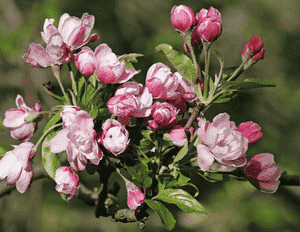
A primary reason gardeners and designers favor Chinese Crabapple is its striking visual appeal. Its blooms are renowned for their vivid hues, spanning from pinks to whites, making it a prominent feature in any garden. These impressive flowers often appear in clusters, creating a stunning display that enhances your outdoor area's charm. Furthermore, Chinese Crabapple offers year-round interest; its spring flowers and autumn foliage, which shifts to warm tones, provide continuous beauty. Whether as a focal point or part of a mixed border, Chinese Crabapple consistently draws attention and admiration.
Understanding Chinese Crabapple's Growth Characteristics
When integrating Chinese Crabapple into your landscape, grasping its growth habits is crucial. This species typically matures into a medium-sized tree, reaching heights of 15 to 25 feet, with a similar spread. This growth pattern suits various garden sizes and styles, from compact urban plots to expansive rural settings. Additionally, Chinese Crabapple is recognized for its somewhat rounded canopy, offering moderate shade. Comprehending these growth traits will help you position Chinese Crabapple appropriately within your garden layout, ensuring it complements rather than dominates your space.
Seasonal Planting Considerations
For successful establishment of Chinese Crabapple, paying attention to seasonal planting is vital. The optimal time to plant is during its dormant phase, usually late winter or early spring before new growth emerges. Planting at this time allows roots to become established prior to the active growing season. Moreover, considering your local climate is essential. Chinese Crabapple adapts well to temperate zones but might need extra protection in harsher environments. By following these seasonal guidelines, you maximize the chances of Chinese Crabapple flourishing and becoming a lasting garden element.
Designing Your Garden with Chinese Crabapple
Selecting the Ideal Spot for Chinese Crabapple
Choosing the correct location for Chinese Crabapple in your garden is essential for its health and visual appeal. It thrives in well-drained soil and requires a site that receives full sun to partial shade. When picking a spot, consider the tree's mature size to ensure ample room for growth without crowding other plants. Additionally, planting in an area with good air circulation helps reduce the risk of fungal diseases. Proper site selection ensures Chinese Crabapple can flourish and become a beautiful, enduring element of your landscape.
Companion Plants for Chinese Crabapple
To cultivate a harmonious and visually pleasing garden, selecting appropriate companion plants for Chinese Crabapple is important. Consider underplanting with shade-tolerant perennials and groundcovers that thrive in similar conditions. Plants like hostas, ferns, and spring bulbs can create a lush base, enhancing Chinese Crabapple's beauty. Furthermore, pairing it with other flowering trees or shrubs that bloom at different times can provide continuous color and interest throughout the seasons. The goal is to create a balanced and diverse planting scheme that highlights Chinese Crabapple while supporting the overall garden ecosystem.
Integrating Chinese Crabapple into Diverse Garden Styles
Chinese Crabapple is a versatile plant suitable for various garden styles, from traditional to modern. In a formal garden, it can serve as a focal point or be planted in rows for a structured, symmetrical look. For a more informal or cottage-style garden, Chinese Crabapple can be incorporated into mixed borders or woodland settings, adding to the natural, romantic atmosphere. Its adaptability makes it a fitting choice for different landscape designs, allowing homeowners to express their style while benefiting from its ornamental qualities.
Practical Maintenance Tips for Chinese Crabapple
Optimal Watering Practices for Chinese Crabapple
Proper irrigation is vital for Chinese Crabapple's health and vigor. During its first few years after planting, it needs consistent watering to develop a strong root system. Water deeply and infrequently, allowing the soil to dry slightly between sessions. This encourages deep root growth, making the tree more drought-resistant. Once established, Chinese Crabapple generally requires less frequent watering, but monitoring soil moisture, especially during dry periods, is important. Mulching around the base can also help retain moisture and regulate soil temperature, contributing to its overall health.
Effective Pruning and Shaping of Chinese Crabapple
Effective pruning and shaping are crucial for maintaining Chinese Crabapple's structure and appearance. Prune during dormancy to remove any dead, diseased, or crossing branches. This not only improves the tree's look but also promotes better air circulation and light penetration, reducing disease risk. It's also important to maintain its shape by selectively thinning branches to ensure a balanced structure. Regular pruning keeps Chinese Crabapple healthy, encourages robust growth, and preserves its visual appeal in the landscape.
Challenges and Solutions for Growing Chinese Crabapple
Managing Common Pests and Diseases
Like all plants, Chinese Crabapple can be vulnerable to certain pests and diseases. Common issues include apple scab, fire blight, and aphid infestations. Regular inspection and prompt action are key to managing these problems. Use organic or chemical treatments as needed, and maintain good garden hygiene by removing fallen leaves and debris, which can harbor pests and diseases. Additionally, selecting disease-resistant varieties and ensuring proper cultural practices, such as correct watering and pruning, can significantly reduce the likelihood of problems affecting Chinese Crabapple.
Weather-Related Considerations
Weather conditions can significantly impact Chinese Crabapple's health and growth. While adaptable to various climates, extreme conditions like frost or drought can present challenges. Protect young trees from frost using coverings or mulch around the base to insulate roots. During prolonged dry spells, ensure Chinese Crabapple receives adequate water to prevent stress. Additionally, wind protection may be necessary in exposed areas to prevent branch damage. By taking proactive measures, you can help Chinese Crabapple withstand adverse weather and thrive in your garden.



