Enhancing Your Garden Design with the Star magnolia Plant: A Landscaping Guide
1
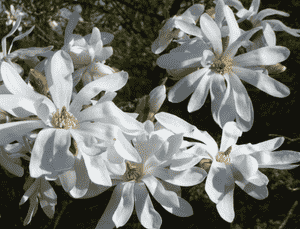
Star magnolia yields beautiful star-like blossoms that enhance the visual charm of any landscape.
2
Star magnolia flourishes optimally in soil that drains well and receives sufficient sunlight for healthy development and flowering.
3
Introducing Star magnolia can boost local ecological variety and enhance the air purity within your outdoor space.
Introducing Star Magnolia to Your Garden
Understanding the Aesthetic Appeal of Star Magnolia
A captivating feature of Star Magnolia is its distinct star-shaped blossoms. These exquisite flowers not only charm with their delicate look but also bring an ethereal beauty to your garden. The petals are typically white or light pink, creating a serene ambiance that can transform your landscape into a peaceful sanctuary. Furthermore, their structure allows them to stand out against green foliage, making Star Magnolia a visually appealing garden addition.
Best Locations for Planting Star Magnolia in Landscape Designs
When choosing where to place Star Magnolia in your landscape, select spots that get ample sunlight but offer some protection from strong winds. Ideal locations include areas with well-drained soil near paths, garden entrances, or alongside calm water features. Planting Star Magnolia near seating areas can also boost beauty and atmosphere, letting you enjoy its stunning blooms up close. Remember, Star Magnolia needs room to grow, so avoid crowding it with other plants to ensure it thrives.
What to Pair with Star Magnolia for a Vibrant Garden
Star Magnolia pairs wonderfully with various plants to create a lively and dynamic garden. Consider combining it with early-blooming bulbs, such as daffodils and crocuses, to extend the flowering season and add more layers of color. Groundcovers like vinca or hostas can provide a lush green carpet that contrasts nicely with Star Magnolia's flowers. Additionally, shrubs like azaleas or rhododendrons can create a layered effect, enhancing your garden's visual depth and interest.
Seasonal Considerations for Star Magnolia
Spring Showcase: The Bloom of Star Magnolia
Spring is the prime time for Star Magnolia to display its magnificent blooms. As temperatures begin to rise, Star Magnolia bursts into flower, offering one of the earliest shows of the season. Its star-shaped blossoms appear before the leaves, providing a striking contrast against the bare branches. This early bloom not only brightens the garden but also signals the start of the growing season, making Star Magnolia a harbinger of spring for your landscape.
Transitioning Through Seasons with Star Magnolia
While Star Magnolia is most renowned for its spectacular spring display, it offers year-round appeal. In summer, its dense green foliage provides a cooling canopy of shade. As autumn arrives, the leaves of Star Magnolia turn golden yellow, adding a warm glow to the landscape. Even in winter, the elegant, branching structure of Star Magnolia can create a beautiful silhouette against snow or a clear blue sky. By thoughtfully integrating Star Magnolia into your garden, you can enjoy its beauty through all four seasons.
Design Tips for Incorporating Star Magnolia in Your Landscape
Using Star Magnolia as a Focal Point in Your Garden
Incorporating Star Magnolia as a focal point in your garden can attract attention and create a stunning visual anchor. Given its dramatic blooms and attractive form, placing Star Magnolia in a central location allows it to serve as the centerpiece of your garden design. Consider using it to frame views or to highlight key areas such as patios or garden beds. The key is to position Star Magnolia where its beauty and elegance can be fully appreciated.
Balancing Color and Texture with Star Magnolia
Achieving balanced color and texture in your garden design can be easily done by blending Star Magnolia with complementary plants. Its delicate blooms can be contrasted with the bold textures of ornamental grasses or the vibrant hues of annual flowers. Consider using evergreens and conifers to provide year-round structure and contrast to the seasonal changes of Star Magnolia. This combination creates a harmonious and visually appealing landscape that maintains interest throughout the year.
Maintenance Tips for Optimal Display of Star Magnolia
To ensure that Star Magnolia thrives and remains a stunning feature of your landscape, regular upkeep is essential. Prune Star Magnolia after its blooming period to shape the plant and encourage healthy growth. Water it consistently, especially during dry spells, but avoid overwatering as it prefers well-drained soil. Applying a layer of mulch around the base helps retain moisture and regulate soil temperature. Additionally, watch for pests and diseases, treating them promptly to keep your Star Magnolia healthy and vigorous.
Environmental Impact and Benefits of Planting Star Magnolia
How Star Magnolia Contributes to Local Biodiversity
Planting Star Magnolia can significantly boost local biodiversity by offering habitat and food for various wildlife. Its blooms attract pollinators, including bees and butterflies, which are vital for maintaining ecosystem health. The dense foliage provides nesting sites for birds, adding life and movement to your garden. By incorporating Star Magnolia into your landscape design, you positively contribute to the local environment and promote a biodiverse ecosystem.
Enhancing Air Quality with Star Magnolia
One of the less obvious but highly beneficial effects of planting Star Magnolia is its capacity to improve air quality. The leaves of Star Magnolia can absorb pollutants, filter out dust and particulates, and produce oxygen, creating a cleaner and healthier environment. This makes Star Magnolia not just a beautiful addition to your garden but also a practical one that enhances the overall well-being of your outdoor space. By planting Star Magnolia, you are investing in the health of your immediate environment.



