Enhancing Your Garden Design with the Saucer magnolia Plant: A Landscaping Guide
1
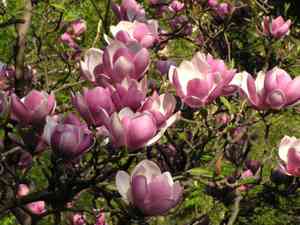
Saucer magnolia presents magnificent flowers that can beautify any garden environment.
2
Knowing the seasonal hues of Saucer magnolia aids in designing an appealing garden throughout the year.
3
Appropriate positioning and complementary planting for Saucer magnolia can amplify its aesthetic and environmental benefits.
Appreciating the Beauty of Saucer Magnolia
Visual Impact: How Saucer Magnolia's Flowers Enhance Outdoor Spaces
Saucer magnolia is celebrated for its stunning blossoms, which significantly boost your garden's visual appeal. These flowers, typically emerging in early spring, are large, cup-shaped, and come in various pink, white, and purple hues. They often bloom first, providing an early splash of color that stands out against the bare branches of other trees and shrubs. Whether used as a garden centerpiece or an accent plant, Saucer magnolia creates a striking visual effect that transforms any outdoor area.
Seasonal Changes: Captivating Color Transitions of Saucer Magnolia
A key reason gardeners adore Saucer magnolia is its dynamic seasonal display. In spring, its vibrant flowers capture attention, offering a brilliant burst of color. As seasons progress, Saucer magnolia continues to enrich the landscape with lush green foliage throughout summer. In autumn, its leaves turn golden yellow, providing a beautiful contrast to other late-flowering plants and evergreens. Choosing Saucer magnolia introduces a plant that keeps your garden engaging across all seasons, ensuring there's always something lovely to admire.
Integrating Saucer Magnolia into Various Landscape Styles
Formal Gardens: The Role of Saucer Magnolia in Structured Designs
In formal garden settings, Saucer magnolia can be used to enhance the structured and elegant aesthetic. Its symmetrical form and majestic blooms make it an excellent choice for focal points or balanced plantings. Positioning Saucer magnolia at the end of pathways or in the center of a lawn can draw the eye and add a touch of grandeur. To further emphasize its elegance, pair Saucer magnolia with neatly trimmed hedges or formal garden beds featuring low-growing, evergreen shrubs. This combination creates a timeless, classic look that elevates the sophistication of formal garden designs.
Cottage Gardens: Enhancing Informal Layouts with Saucer Magnolia
For those who prefer a more relaxed, informal garden style, Saucer magnolia is an ideal addition. Its naturally rounded shape and abundant flowers fit well within the free-flowing nature of cottage gardens. Plant Saucer magnolia among other flowering shrubs and perennials to create layers of color and texture. Underplanting with spring bulbs, like daffodils and tulips, can complement its early blooming cycle. In this setting, Saucer magnolia adds charm and a sense of nostalgia, enhancing the whimsical and inviting atmosphere typical of cottage gardens.
Placement Recommendations for Optimal Effect
Location Planning: Finding the Perfect Spot for Saucer Magnolia
Selecting the right location for Saucer magnolia is vital to maximize its beauty and health. Ideally, choose a spot that receives full sun to partial shade, as Saucer magnolia thrives with ample light. Ensure the soil is well-draining and rich in organic matter to support its growth. Consider the plant's mature size when choosing a location—Saucer magnolia can grow quite large, so it needs sufficient space for its branches to spread. Positioning Saucer magnolia against a backdrop of evergreens can highlight its blooms and foliage, ensuring it remains a standout feature in your garden year-round.
Companion Planting: Best Neighbors for Saucer Magnolia in Your Garden
Companion planting can enhance the visual appeal and ecological health of your garden with Saucer magnolia. Consider pairing Saucer magnolia with companion plants that complement its blooms and foliage. Early spring bulbs like crocuses, snowdrops, and anemones can fill the area beneath Saucer magnolia with color before its leaves appear. Later in the season, ground covers such as hostas or ferns can thrive in the shade provided by the tree. Additionally, choose companion plants that attract pollinators, like lavender or echinacea, to support a healthy garden ecosystem.
Long-Term Development and Growth
Growth Expectations: What to Anticipate from Saucer Magnolia
Understanding the growth patterns of Saucer magnolia helps in planning for its long-term care and development. Initially, you may observe moderate growth, with significant increases in height and spread each year. Regular watering and feeding during the growing season encourage vigorous growth. Monitor for any signs of disease or pest issues, addressing them promptly to ensure sustained health. As Saucer magnolia matures, its growth rate may slow, but with proper care, it will continue to flourish and maintain its beauty for many years.
Mature Size and Shape: Understanding Saucer Magnolia's Development Over Years
Saucer magnolia can reach impressive sizes over time, often growing 20-30 feet in both height and width. Its mature form is typically a rounded crown, providing substantial shade and visual interest. Knowing the eventual size of Saucer magnolia aids in planning its placement to prevent future crowding or shading of other plants. Pruning helps manage its shape and remove any damaged or diseased branches, promoting a strong structure. By understanding and anticipating its growth, you can ensure that Saucer magnolia remains a vital and stunning part of your landscape for decades.



