Enhancing Your Garden Design with the Southern magnolia Plant: A Landscaping Guide
1
The Southern magnolia provides enduring attractiveness and year-round charm.
2
It requires minimal upkeep and thrives in diverse weather conditions.
3
Thoughtfully positioning Southern magnolia can establish impressive centerpieces and organic privacy barriers.
Why Select Southern Magnolia for Your Outdoor Space?
Enduring charm with year-round visual appeal
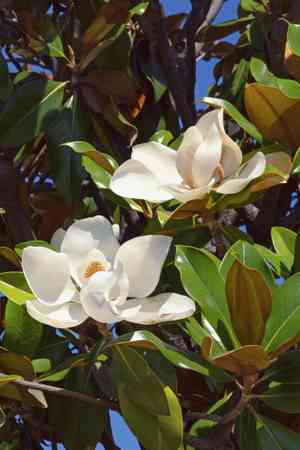
A key characteristic of Southern magnolia is its lasting beauty, contributing to a vibrant garden throughout the entire year. Its glossy, dark green leaves provide a striking contrast to its large, creamy white blossoms, making it a constant focal point in your landscape. This consistent attractiveness ensures your garden remains appealing across all seasons, offering both visual pleasure and a touch of sophistication.
Minimal upkeep requirements
For those desiring a beautiful garden without constant effort, Southern magnolia is an ideal choice. This robust plant demands little maintenance once established, making it a hassle-free addition to your garden. Regular watering, occasional mulching, and timely trimming are generally sufficient to keep Southern magnolia in prime condition.
Capacity to flourish in diverse climate conditions
Southern magnolia is remarkably adaptable to various climatic environments, enhancing its versatility in landscaping. Whether your area experiences hot summers or cooler winters, Southern magnolia can typically thrive with some basic care adjustments. This resilience makes it a dependable and sturdy option for gardeners in many different locations.
Optimal Spots for Planting Southern Magnolia
Choose sunny areas with some partial shade
Southern magnolia thrives best in locations receiving ample sunlight combined with a degree of shading. This balance allows the plant to perform photosynthesis efficiently while being shielded from intense midday heat. Selecting a spot that meets these criteria can encourage healthier growth and more abundant flowering.
Consider soil type: well-drained soil preferred
While adaptable, Southern magnolia ideally prefers soil that drains well to prevent waterlogging, which can harm its root system. Enhancing your soil with organic matter or ensuring proper drainage can support better growth and longevity of the plant. Maintaining optimal soil conditions is crucial for your Southern magnolia to flourish.
Spacing considerations: Allow ample room for development
When planting Southern magnolia, it's vital to account for its mature size. Ensure sufficient space between it and other plants or structures. Proper spacing helps prevent overcrowding, which can lead to reduced air circulation and potential disease issues. Providing room for growth allows Southern magnolia to reach its full potential.
Design Concepts Utilizing Southern Magnolia
Create focal points in garden designs
Southern magnolia serves as a spectacular focal point due to its impressive size and captivating flowers. Positioning it centrally or prominently in your garden can draw attention and become a centerpiece of your landscape design. This strategic placement can elevate the overall aesthetic appeal of your garden.
Employ Southern magnolia as a natural privacy screen
Thanks to its dense and lush foliage, Southern magnolia is excellent for forming natural privacy barriers. Planting a row of Southern magnolia along your property's edge or around specific areas can establish a serene and secluded space. This application not only boosts privacy but also adds beauty and a touch of nature's elegance.
Integrate with other plants for a layered appearance
Incorporating Southern magnolia with various other plants can achieve a layered and textured look in your garden. Mixing different heights, colors, and textures around Southern magnolia can create a dynamic and visually engaging landscape. This approach can highlight Southern magnolia while complementing other garden elements.
Seasonal Care Advice for Southern Magnolia
Mulching to maintain soil moisture
Applying mulch around the base of Southern magnolia helps retain soil moisture, protect roots, and suppress weed growth. Organic mulch, such as bark or leaf mulch, is ideal as it slowly decomposes, improving soil health over time. This practice is especially beneficial during dry or hot periods.
Pruning: Best methods and optimal timing
Pruning Southern magnolia should be done carefully and at the correct time to preserve its shape and health. The best time to prune is late winter or early spring, just before new growth begins. Removing dead or crossing branches promotes better air circulation and reduces disease risks. Regular pruning helps maintain the plant's aesthetic appeal and vitality.
Winter care: Protecting Southern magnolia from frost
In colder climates, safeguarding Southern magnolia from frost is essential for its survival. Applying a thick layer of mulch around the base can insulate the roots. Wrapping young plants with burlap or frost cloth can shield them from harsh winter winds. These measures help ensure Southern magnolia can endure and thrive through the winter season.



