Enhancing Your Garden Design with the Fraser magnolia Plant: A Landscaping Guide
1
Fraser magnolia provides remarkable aesthetic appeal through its distinctive foliage and flowers.
2
Thoughtful positioning of Fraser magnolia can enhance its presence in your landscape.
3
Pairing Fraser magnolia with suitable companions can boost ecological variety and garden vitality.
Appreciating the Visual Appeal of Fraser Magnolia
Features that make Fraser magnolia prominent in garden design
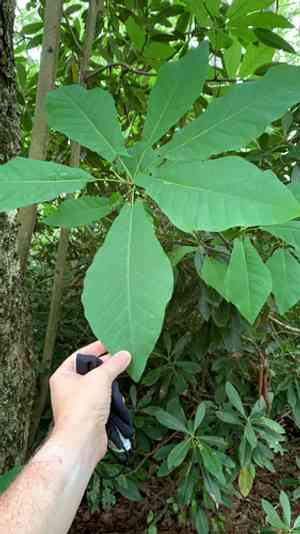
Fraser magnolia offers a distinct charm to any garden due to its striking visual qualities. Its expansive, broad leaves are a key identifying characteristic, making it an excellent focal point in landscape architecture. The tree can reach impressive heights, introducing a vertical element that draws the gaze upwards and imparts a sense of grandeur. Furthermore, its unique, creamy-white blossoms appear in spring, providing a beautiful contrast against the rich green foliage. This combination of attributes ensures Fraser magnolia stands out, adding both texture and visual interest to your outdoor space.
Seasonal transformations and their aesthetic effects
A remarkable aspect of Fraser magnolia is its capacity to offer visual appeal throughout the year. In spring, the trees burst into bloom with their impressive white flowers, creating a breathtaking spectacle. As the season progresses into summer, the lush green leaves become the main attraction, providing shade and a rich, verdant backdrop for the rest of your garden. In autumn, Fraser magnolia's leaves change to shades of yellow and brown, adding fall colors that enrich your landscape's seasonal palette. Even in winter, the tree's bare structure offers a sculptural quality that adds interest and beauty to the dormant garden.
Strategic Placement of Fraser Magnolia in Landscape Designs
Considering sun exposure and soil conditions
To ensure Fraser magnolia flourishes in your garden, it's vital to consider its specific sunlight and soil requirements. Fraser magnolia prefers partial to full sun, meaning it needs approximately four to six hours of direct sunlight daily. When planting, select a location that receives ample light but also offers some protection from intense afternoon sun. Regarding soil, Fraser magnolia thrives in well-drained, slightly acidic soils. Incorporating organic matter or compost into the soil can enhance its quality and ensure the tree receives the necessary nutrients for vigorous growth.
Balancing height and spacing for aesthetic harmony
When integrating Fraser magnolia into your landscape design, it's crucial to consider its mature height and spread to prevent overcrowding and maintain balance. Given that Fraser magnolia can attain significant heights, it's best to position it where it won't overshadow smaller plants or structures. Ensure there's ample room for the tree to expand without obstruction. Proper spacing also promotes better air circulation and reduces disease risk. Establishing the right balance in your garden ensures all plants coexist harmoniously, maximizing the visual and health benefits of your landscape.
Companion Planting with Fraser Magnolia
Selecting compatible plants for mutual growth
Choosing appropriate companion plants for Fraser magnolia can enhance your garden's overall beauty and health. Opt for plants that thrive in similar soil and sunlight conditions. Shrubs like azaleas and rhododendrons are excellent choices as they prefer the same soil acidity and light levels. Ground cover plants, such as ferns or hostas, can also complement Fraser magnolia by providing a lush, green carpet at its base, helping to retain soil moisture and suppress weeds. By selecting compatible plants, you create a cohesive and thriving garden ecosystem.
Advantages of diverse plant life in your garden
Planting a varied range of species in your garden, including Fraser magnolia and its companion plants, offers numerous benefits. Biodiversity can improve soil fertility, reduce pest and disease outbreaks, and provide habitats for beneficial insects and wildlife. A diverse garden is also more resilient to environmental stressors, ensuring your landscape remains vibrant and healthy year-round. Moreover, the varied textures, colors, and forms add layers of visual interest, creating a dynamic and engaging garden space.
Maintenance Guidelines for Fraser Magnolia in Your Garden
Essential care for robust development
Maintaining Fraser magnolia in your garden involves several key steps to ensure healthy growth. Consistent watering is crucial, especially during dry periods, to keep the soil uniformly moist but not waterlogged. Mulching around the tree's base can help retain soil moisture and shield the roots from temperature fluctuations. Pruning should be performed in late winter or early spring to remove any dead or diseased branches and to shape the tree as needed. Additionally, applying a balanced, slow-release fertilizer in the spring can provide the nutrients necessary for vigorous growth.
Seasonal care checklist
A seasonal maintenance checklist can help keep Fraser magnolia in prime condition throughout the year. In spring, inspect the tree for any winter damage and remove dead branches. Apply mulch and begin a regular watering schedule. In summer, monitor for pests and diseases, addressing any issues promptly. Fall is an ideal time for mulching to prepare for winter and to prune if necessary. Finally, in winter, protect the tree from harsh weather by wrapping young trees or providing windbreaks. By staying proactive with maintenance, you can ensure Fraser magnolia remains a healthy and beautiful part of your landscape.
Highlighting Fraser Magnolia Through Creative Landscaping Techniques
Innovative design concepts featuring Fraser magnolia
There are many creative ways to showcase Fraser magnolia in your garden, maximizing its unique attributes. Consider planting it as a central feature in a prominent spot, such as near an entrance or in the middle of a lawn. You can also use Fraser magnolia to frame views or establish natural boundaries within your landscape. Pairing it with pathways or water features can enhance its visual appeal and provide a tranquil garden experience. Incorporating decorative elements like benches or garden art near Fraser magnolia can create inviting and aesthetically pleasing garden areas.
The critical role of lighting
Lighting can significantly enhance Fraser magnolia's beauty in your garden, particularly in the evening. Uplighting, which involves placing lights at the tree's base, can emphasize its height and structural form, casting dramatic shadows and creating a striking nighttime feature. String lights draped among the branches can add a whimsical touch, perfect for evening gatherings or quiet nights in the garden. Ensuring your landscape lighting plan includes Fraser magnolia will allow you to appreciate its beauty around the clock.



