Enhancing Your Garden Design with the Osage orange Plant: A Landscaping Guide
1
Maclura pomifera is a robust plant capable of flourishing in diverse ground types.
2
Adding Osage orange to your outdoor space can greatly enhance its visual charm and ecological variety.
3
Osage orange needs little upkeep after it's rooted, making it a superb option for both new and seasoned gardeners.
Introducing Osage Orange to Your Landscape
Key features of Osage orange
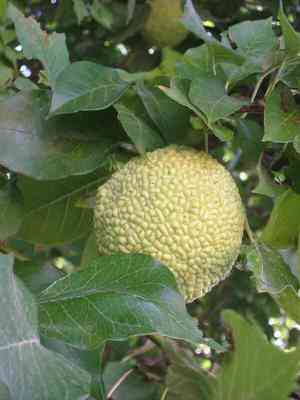
To improve your garden's appearance, understanding the distinct traits of Osage orange is beneficial. This small to medium-sized tree, known for its rough bark and dense leaves, forms a rounded canopy. Its vibrant green leaves turn bright yellow in autumn, adding seasonal beauty. The plant produces green, softball-sized fruits, often called 'hedge apples,' which are visually interesting and deter wildlife due to their mild toxicity. Knowing these characteristics is vital for maximizing its use in your landscaping.
Why select Osage orange for your garden?
Choosing Osage orange for your landscaping projects offers many advantages. It is exceptionally resilient, thriving in various soil types and conditions. This hardiness makes it an excellent option for areas where other plants struggle. Furthermore, Osage orange serves multiple purposes, from acting as a windbreak to providing natural fencing with its thorny branches. Its thick, vivid green foliage adds significant beauty, making your garden look lush and inviting year-round. Whether you aim to boost your garden's visual appeal or create functional elements like natural barriers, Osage orange is a superb choice.
Designing with Osage Orange in Your Garden
Integrating Osage orange into garden styles
Successfully incorporating Osage orange into your garden design can transform your outdoor area into a unified and stunning landscape. Whether you prefer a rustic, natural look or a more structured, formal garden, Osage orange can blend seamlessly into various themes. Its striking appearance makes it a central feature in any garden layout. For a woodland garden, plant Osage orange alongside native shrubs and flowering plants to create an organic, wild appearance. In a more formal garden, it can serve as sculptural elements or be pruned into specific shapes to match the structured theme. Its adaptability makes it suitable for any garden style.
Companion plants for Osage orange
To get the most out of Osage orange in your garden, it's crucial to select companion plants that enhance its qualities. Pair it with perennials like hostas and ferns that thrive in similar soil and light conditions. Flowering plants such as coneflowers and black-eyed Susans can add a splash of color and contrast well with its green foliage. Consider adding grasses and sedges to create diverse textures and layers, making your garden appear more dynamic. The right plant combination will not only boost the beauty of Osage orange but also contribute to a balanced and varied garden environment.
Practical Advice for Planting Osage Orange
Optimal planting locations for Osage orange
Choosing the correct spot for planting Osage orange is vital for its growth and overall impact on your landscape. Ideally, it should be placed in an area receiving full sun to partial shade. Ensure there is ample room for it to grow, as it can reach up to 40 feet in height and spread. It's also wise to plant Osage orange away from paths and driveways due to its thorny branches. For those using it as a natural barrier, planting several trees in a row can create an effective, dense hedge that offers both privacy and wind protection.
Soil and light requirements
Osage orange is known for its resilience, but providing ideal soil and sunlight conditions will ensure it flourishes in your garden. It prefers well-drained soil but can tolerate various soil types, including clay and sandy soils. Regarding sunlight, Osage orange thrives best in full sun but can also handle light shade. To give your plant the best start, consider enriching your soil with organic matter to improve its fertility and drainage. Consistent watering during the first year after planting will help establish a strong root system, ensuring your Osage orange becomes a robust addition to your landscape.
Maintaining Osage Orange in Your Landscape
Seasonal care guidelines
Maintaining Osage orange involves seasonal care to keep it healthy and attractive throughout the year. In spring, check the tree for any signs of disease or pests and address them promptly. Pruning is best done in late winter or early spring before new growth starts; this helps shape the tree and remove dead or damaged branches. During summer, regular watering is essential, especially during dry spells, to prevent plant stress. In autumn, clear fallen leaves and fruit to prevent disease and pests. Winter care involves protecting young trees from harsh winds and frost with proper mulching.
Controlling growth and spread
Osage orange can be quite vigorous, and managing its growth and spread is crucial for maintaining a tidy and intentional landscape. Regular pruning should be performed to control the tree's size and shape. If you use Osage orange as a hedge, plan to trim it at least once a year to maintain its form. Additionally, if you notice suckers or unwanted shoots emerging from the base or surrounding area, remove them promptly to prevent the tree from spreading uncontrollably. Proper management will ensure that Osage orange remains a stunning and contained element of your garden.
Advantages of Osage Orange in Your Yard
Ecological benefits
Having Osage orange in your yard provides numerous ecological benefits that support local biodiversity. The tree offers habitat and food for various wildlife, contributing to a healthier ecosystem. Its dense foliage provides shelter for birds and insects, while its fruit, though not consumed by humans, can be a food source for some animals. Additionally, Osage orange can help stabilize soil with its extensive root system, preventing erosion and improving soil health. By planting Osage orange, you're not just enhancing your garden's aesthetic appeal but also promoting ecological well-being.
Enhancing aesthetics and property value
Beyond ecological benefits, Osage orange can significantly boost your garden's aesthetic appeal and increase property value. Its striking appearance, from its rugged bark to its vibrant fall foliage, makes it a standout feature in any landscape design. A well-maintained Osage orange adds visual interest and can become a focal point in your garden, attracting attention and admiration. Furthermore, a thoughtfully landscaped garden with diverse plant life can enhance your property's curb appeal, making it more attractive to potential buyers. By investing in Osage orange, you're also investing in the long-term beauty and value of your home.



