Enhancing Your Garden Design with the Purple loosestrife Plant: A Landscaping Guide
1
Purple loosestrife flourishes in damp settings, frequently gracing wetlands and riverbanks.
2
Consistent observation aids in managing Purple loosestrife and stops it from dominating your cultivated space.
3
Incorporating Purple loosestrife into diverse garden designs can add distinct aesthetic charm to your outdoor area.
Understanding Purple Loosestrife's Role in Landscaping
Defining Purple Loosestrife's Visual Appeal: Characteristics and Seasonal Changes
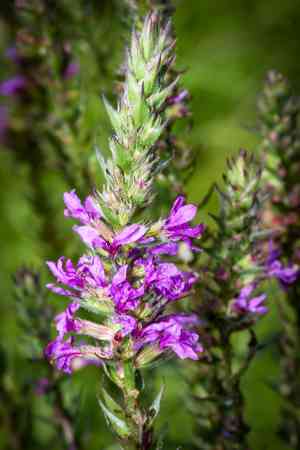
Purple loosestrife's visual charm is clear, with its striking color and dense flower spikes. Throughout its active growth, it displays a range of pinks to purples, making it prominent in any garden. From early summer to late autumn, this plant remains visually captivating, providing extended interest in your landscape. Its tall form and narrow leaves offer textural contrast, suiting both rustic and modern garden designs.
Assessing Environmental Impact: Is Purple Loosestrife Eco-Friendly?
While beautiful, Purple loosestrife's environmental impact needs consideration. Often invasive in some areas, it can spread quickly, potentially outcompeting native plants. In certain regions, it may harm local ecosystems by monopolizing resources like water and sunlight. Thus, understanding local rules and environmental factors before planting is vital. Controlled planting and spread management can lessen potential negative effects.
Discussing Growth Patterns: How Fast Does Purple Loosestrife Spread?
Purple loosestrife is known for vigorous growth and rapid spread. This can benefit gardeners aiming to quickly fill large spaces. However, without proper management, it can dominate garden areas and suppress other plants. Understanding its growth helps gardeners anticipate and control its spread, ensuring balanced garden ecosystems. Regular pruning and strategic placement are key to maintaining its appeal without it becoming overwhelming.
Strategic Placement of Purple Loosestrife in Your Garden
Finding the Ideal Spot: Where to Plant Purple Loosestrife for Best Growth?
Purple loosestrife thrives in moist soil and full sun to partial shade. Optimal spots include areas near water features, like ponds or streams, where soil stays consistently damp. Ensuring it has ample space and suitable conditions will foster healthy growth and vibrant blooms. Avoid planting in overly dry or shaded areas, as this may hinder its development and aesthetic potential.
Companion Planting with Purple Loosestrife: What Works Well?
Pairing Purple loosestrife with complementary plants creates a visually appealing and ecologically balanced garden. Plants that flourish in similar conditions, such as hostas, ferns, and ornamental grasses, can enhance its beauty while diversifying garden textures and colors. These combinations foster harmonious garden designs that attract and sustain various pollinators. Companion plants also help manage its spread by naturally competing for resources, maintaining garden balance.
Managing Overgrowth: Containing Purple Loosestrife in Specific Areas
Containing Purple loosestrife within designated garden areas prevents it from overpowering other plants. Using physical barriers, like garden edging or dedicated planters, effectively manages its growth. Regular pruning and removing seed heads before dispersal also control its spread. By taking these steps, you can enjoy its aesthetic benefits without its invasive tendencies harming your garden's overall health.
Incorporating Purple Loosestrife into Various Landscaping Styles
Creating a Cottage Garden: Using Purple Loosestrife's Rustic Charm
Purple loosestrife is an excellent addition to a cottage garden, thanks to its old-world charm and vibrant colors. Its tall, frilled flower spikes bring a touch of wild beauty that blends well with the relaxed, pastoral feel of cottage gardens. Combine it with traditional cottage plants like hollyhocks and delphiniums to create a nostalgic, romantic atmosphere that delights the senses and appeals to garden enthusiasts.
Enhancing Modern Landscapes: Simplicity and Color with Purple Loosestrife
In modern gardens, Purple loosestrife's striking color and form can act as focal points against minimalist backgrounds. Its structured growth and bold blooms create visual interest without overwhelming the clean lines typical of contemporary landscaping. Integrate it into sleek, minimalist gardens to introduce a pop of color and texture, contrasting beautifully with metal, stone, and other modern materials for a sophisticated design.
Eclectic Garden Designs: Mixing Purple Loosestrife with Diverse Plant Species
For those who prefer an eclectic garden style, Purple loosestrife can be a superb choice. Its dynamic growth and vibrant color blend well with various plant species, from exotic varieties to native flora. Experimenting with different plant combinations can create unique, personalized garden spaces. Its versatility allows it to fit seamlessly into diverse garden types, adding intrigue and whimsy to any garden configuration.
Long-Term Maintenance Tips for Purple Loosestrife in Landscapes
Routine Checks: What to Monitor with Purple Loosestrife Growth?
Regular monitoring is crucial to keep Purple loosestrife healthy and contained. Check for signs of overgrowth and ensure it hasn't spread beyond its designated areas. Look out for pests or diseases, and address any issues promptly. Regularly assessing soil moisture and sunlight levels helps maintain optimal growth conditions, ensuring it continues to thrive beautifully without becoming problematic.
Seasonal Care Adjustments: Preparing Purple Loosestrife for Weather Changes
Adjusting care routines seasonally is key to keeping Purple loosestrife vibrant year-round. In spring and summer, ensure consistent watering, especially during dry spells, and deadhead spent blooms to encourage continuous flowering. As autumn nears, cut back stems to promote healthy regrowth next season. In winter, applying mulch can protect roots from extreme cold, ensuring it returns robust and vibrant when the weather warms.
Rejuvenation Techniques: Ensuring Longevity and Vibrancy in Purple Loosestrife
To keep Purple loosestrife looking its best, periodic rejuvenation is essential. Every few years, consider dividing larger clumps to prevent overcrowding and encourage new growth. Pruning older stems can also stimulate fresh blooms and maintain the plant's overall health. Regularly enriching the soil with organic matter ensures it has access to essential nutrients, promoting its longevity and vitality in your garden.



