Enhancing Your Garden Design with the Wild Perennial Lupine Plant: A Landscaping Guide
1
Wild Perennial Lupine draws in numerous helpful insects, such as butterflies and bees.
2
Incorporating Wild Perennial Lupine into your landscape sustainably can enhance soil quality and conserve water.
3
The vivid hues of Wild Perennial Lupine can greatly boost the aesthetic charm of gardens throughout the year.
Exploring the Visual Charm of Wild Perennial Lupine
The distinct color range of Wild Perennial Lupine and its effect on garden contrast
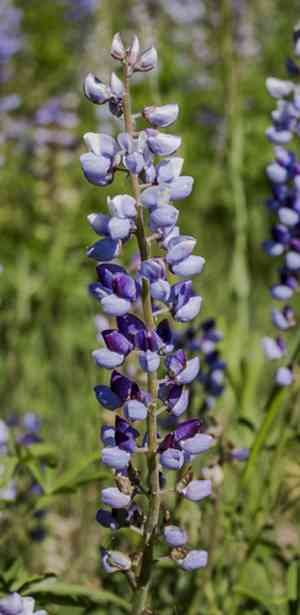
A prominent characteristic of Wild Perennial Lupine is its vivid color spectrum. It showcases various shades, from gentle lavenders to deep purples, often featuring contrasting spots or bands. These colors offer a striking contrast to the typical green of a garden, generating visual appeal and making your landscape stand out. Whether you seek a subtle highlight or a bold statement, Wild Perennial Lupine's colors can be strategically utilized to enhance other garden elements, from foliage to hardscaping.
Forms and textures: How Wild Perennial Lupine's leaves contribute to garden aesthetics
Beyond its colorful blossoms, Wild Perennial Lupine provides unique foliage that introduces textural diversity to your garden. The plant's leaves consist of numerous slender leaflets, fanning out from a central point, giving them a palm-like appearance. This texture beautifully contrasts with broader-leafed plants and can be employed to devise dynamic and visually engaging planting arrangements. By combining Wild Perennial Lupine with other plants, you can achieve a balanced and harmonious look that enriches your outdoor space's overall beauty.
Seasonal changes: Wild Perennial Lupine's year-round versus seasonal allure
While Wild Perennial Lupine is most celebrated for its spectacular blooms in spring and early summer, it also offers continuous interest throughout the year. In autumn, its foliage can adopt different hues, adding another layer of color to your garden. During winter, the architectural quality of its stem structure can contribute to the garden's visual appeal, even when not in leaf. By incorporating Wild Perennial Lupine into your landscape design, you ensure a garden that captivates attention across all seasons.
Integrating Wild Perennial Lupine into Various Landscape Styles
Incorporating Wild Perennial Lupine into a cottage garden design
Wild Perennial Lupine seamlessly fits into a cottage garden design, where a mix of colors and textures is desired. Its free-growing habit and vibrant flowers complement the informal, relaxed style of cottage gardens. Pair Wild Perennial Lupine with classic cottage plants like roses, foxgloves, and delphiniums to create a picturesque and romantic garden setting.
Utilizing Wild Perennial Lupine in formal and structured landscape designs
Although often linked with informal designs, Wild Perennial Lupine can also be effectively used in more formal landscapes. Its upright growth and symmetrical shape provide structure and elegance, offering a striking contrast to more rigid elements like topiaries and clipped hedges. Arranging Wild Perennial Lupine in structured rows or clusters can heighten the formality while adding a burst of color.
Wildlife-friendly landscaping with Wild Perennial Lupine: Attracting beneficial insects and birds
If you aim to create a wildlife-friendly garden, Wild Perennial Lupine is an excellent choice. Its flowers are known to draw various pollinators, including bees and butterflies, providing them with essential nectar. Additionally, birds are often attracted to the seeds of Wild Perennial Lupine, making it a valuable addition to a habitat garden. By including Wild Perennial Lupine, you not only enhance your landscape's beauty but also support local wildlife.
Complementary Planting and Companion Plants for Wild Perennial Lupine
Choosing the ideal companions for Wild Perennial Lupine in your garden
When selecting companion plants for Wild Perennial Lupine, consider those that thrive in similar conditions and complement its color and texture. Good companions include plants like peonies, irises, and echinacea, which bloom in similar seasons and offer a harmonious blend of hues and forms. This thoughtful pairing can enhance your garden's overall beauty and health.
Understanding the soil and sun requirements when pairing with Wild Perennial Lupine
Wild Perennial Lupine thrives best in well-drained, sandy or loamy soils and requires full sun to partial shade. When choosing companion plants, ensure they have similar soil and light needs. Plants such as rudbeckia and ornamental grasses share these requirements, making them ideal neighbors. This ensures that all plants in the grouping will flourish, leading to a robust and vibrant garden display.
Best practices for positioning Wild Perennial Lupine to complement surrounding plant life
Thoughtfully placing Wild Perennial Lupine within your garden can maximize its impact. Planting it at the back of borders can provide a stunning backdrop for shorter plants, creating layers of interest. Alternatively, groupings of Wild Perennial Lupine in clusters can form eye-catching focal points. Ensure it has ample space to grow and spread, which will allow its natural form to develop fully, complementing and enhancing neighboring plants.
Environmental Impact and Sustainability with Wild Perennial Lupine
The role of Wild Perennial Lupine in sustainable landscaping
Incorporating Wild Perennial Lupine into your landscape can significantly contribute to sustainable gardening practices. As a native species, it is well-adapted to local conditions and requires less water and maintenance compared to non-native plants. This reduces the need for chemical inputs and irrigation, making your garden more environmentally friendly. Additionally, Wild Perennial Lupine can enhance biodiversity by providing habitat and food sources for local wildlife.
Conservation benefits of planting native species like Wild Perennial Lupine
Planting native species such as Wild Perennial Lupine plays a crucial role in conservation efforts. Native plants are integral to the local ecosystem, supporting various forms of wildlife, including pollinators and birds. By choosing Wild Perennial Lupine, you not only add beauty to your garden but also contribute to preserving native plant populations and the wildlife that depends on them. This fosters a healthier and more resilient ecosystem.
Water conservation and soil health: Advantages of incorporating Wild Perennial Lupine
Wild Perennial Lupine is particularly effective in promoting water conservation and improving soil health. Its deep root system helps to stabilize the soil, reducing erosion and enhancing soil structure. This increases the soil's ability to retain water, reducing the need for frequent watering. By including Wild Perennial Lupine in your planting scheme, you can create a more sustainable garden that conserves water and nurtures healthy soil.



