Enhancing Your Garden Design with the Chilean myrtle Plant: A Landscaping Guide
1
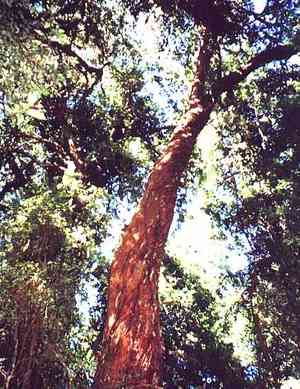
Chilean myrtle provides continuous aesthetic appeal due to its distinctive bark and leaves.
2
Chilean myrtle is very versatile and flourishes in diverse garden environments.
3
Consistent yet infrequent upkeep ensures Chilean myrtle remains robust and lively.
Introducing Chilean Myrtle in Landscape Design
Distinctive visual characteristics of Chilean myrtle
Chilean myrtle enhances any outdoor space with its remarkable aesthetic qualities. The plant showcases striking bark that peels in thin layers, revealing a smooth, cinnamon-hued underlayer. Its evergreen leaves are small, glossy, and fragrant, providing a lush backdrop year-round. In late summer, Chilean myrtle produces charming clusters of white blossoms, highly attractive to pollinators. This unique combination of visual elements ensures Chilean myrtle remains a garden highlight in every season.
Brief overview of Chilean myrtle's versatility in various environments
A key strength of Chilean myrtle is its adaptability. This plant thrives equally well in coastal regions, urban gardens, or rural settings. Chilean myrtle can flourish in a wide range of soil types, provided there is adequate drainage. Furthermore, it tolerates both sunny and partially shaded locations, offering landscape designers and gardeners significant flexibility in their planning.
Incorporating Chilean Myrtle into Garden Themes
Optimal garden environments for Chilean myrtle
Chilean myrtle excels in diverse garden settings due to its adaptable nature. It is frequently featured in Mediterranean-style gardens given its drought tolerance and preference for well-draining soil. Woodland gardens also benefit from Chilean myrtle's natural, tranquil appearance, blending seamlessly with native flora. Moreover, its evergreen quality makes it suitable for formal gardens, where it can form structured hedges or soft, informal borders.
Pairing Chilean myrtle with complementary plants
When pairing Chilean myrtle with other plants, select those that enhance its year-round foliage and seasonal blooms. Plants such as lavender or rosemary can highlight Chilean myrtle by introducing contrasting textures and colors. Grasses and herbs, especially those with silver or gray leaves, also make excellent companions, boosting the garden's visual appeal. Ensure chosen plants share similar soil and light needs for harmonious growth.
Chilean Myrtle Care Guidelines
General upkeep recommendations
Maintaining Chilean myrtle is relatively straightforward and requires minimal effort. Consistent watering, particularly during dry spells, will help keep the plant healthy. Pruning is best performed in late winter or early spring to maintain its form and remove any dead or damaged branches. Additionally, feeding Chilean myrtle with a balanced fertilizer in early spring can encourage vigorous growth and abundant flowering. Ensuring good air circulation around the plant helps prevent fungal issues.
Preventing common problems with Chilean myrtle
Chilean myrtle is generally resistant to pests and diseases, but it's not entirely immune. Over-watering or poor drainage can lead to root rot, so it's vital to plant Chilean myrtle in well-drained soil. Aphids and spider mites are potential pests but can be managed with regular inspection and appropriate treatments if needed. By providing suitable growing conditions and practicing basic garden hygiene, you can avoid most common problems and enjoy a healthy, flourishing Chilean myrtle in your landscape.



