Enhancing Your Garden Design with the Trumpet honeysuckle Plant: A Landscaping Guide
1
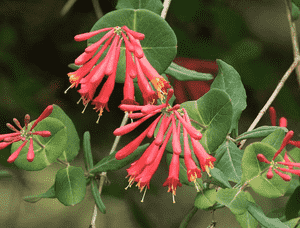
Trumpet honeysuckle is recognized for its vivid flowers that can introduce a burst of color to any outdoor space.
2
Trumpet honeysuckle draws in avian species and beneficial insects, boosting the ecological variety of your yard.
3
Appropriate care and thoughtful positioning of Trumpet honeysuckle guarantee peak development and aesthetic charm.
Exploring the Aesthetic Contribution of Trumpet Honeysuckle in Garden Design
Vibrant Appeal: The striking flowers of Trumpet honeysuckle
A primary reason gardeners cherish Trumpet honeysuckle is its breathtaking, vivid flowers. These blooms appear in various hues, from deep crimson to bright yellow, instantly becoming a focal point in any garden. The charm extends beyond color; the flowers release a subtle scent that can transform your outdoor area into a fragrant sanctuary. The cascading nature of the blossoms can draw the eye upward, adding layers and depth to your garden's visual appeal.
Seasonal Progression: From flowering to leaf changes
The seasonal shifts of Trumpet honeysuckle provide a dynamic display that maintains garden interest throughout the year. During spring and summer, brilliant flowers dominate, attracting not only human admiration but also various pollinators like bees and butterflies. As autumn approaches, the foliage of Trumpet honeysuckle can change colors, often transitioning to warm shades that perfectly complement the fall season. Even in winter, the bare vines and branches' structural forms can add a distinct, sculptural element to your landscape.
Structural Advantages: Utilizing Trumpet honeysuckle to define garden areas
Trumpet honeysuckle offers more than just beauty; it's a versatile plant capable of shaping garden spaces through its structural benefits. Whether trained to ascend trellises, arbors, or walls, Trumpet honeysuckle can form lush screens that offer privacy and introduce verticality to your garden. Its capacity to grow in diverse configurations makes it a flexible option for both expansive landscapes and compact gardens. Additionally, it can be employed to border pathways or as a living fence, creating natural boundaries that are both practical and attractive.
Integrating Trumpet Honeysuckle into Various Garden Styles
Classic Garden Designs: Enhancing traditional aesthetics
Trumpet honeysuckle effortlessly blends into traditional garden themes, complementing classic design elements seamlessly. Its vibrant blooms and abundant foliage can soften the geometric lines of formal garden layouts, imparting a touch of natural elegance. In cottage gardens, Trumpet honeysuckle can ramble over fences and arbors, creating a whimsical, old-world charm that evokes a sense of timeless beauty. It pairs wonderfully with roses, peonies, and other traditional plants, elevating the overall aesthetic.
Contemporary Landscapes: Improving modern environments
In modern landscapes, Trumpet honeysuckle provides a striking contrast with its organic forms against sleek, contemporary lines. Its vibrant colors and dynamic growth patterns can break the monotony of minimalistic designs, adding a lively touch to backyard sanctuaries and urban spaces. When used thoughtfully, Trumpet honeysuckle can serve as natural artwork, with its vines and branches forming intricate patterns that act as living sculptures, perfectly aligning with modern design philosophies that value both form and function.
Wildlife-Friendly Habitats: Attracting birds and beneficial insects
Trumpet honeysuckle is not only visually appealing but also plays a crucial role in establishing wildlife-friendly gardens. Its bright, nectar-rich flowers are a magnet for hummingbirds, butterflies, and bees, fostering a vibrant ecosystem within your garden. By incorporating Trumpet honeysuckle, you're not only enhancing your space but also contributing to the environment by providing essential resources for local wildlife. This transforms your garden into a bustling hub of activity and an ecological sanctuary.
Practical Advice for Incorporating Trumpet Honeysuckle into Your Landscape
Site Selection: Light and soil requirements
To maximize Trumpet honeysuckle's potential, careful consideration of its placement is vital. This plant thrives in full sun to partial shade and prefers well-drained soils. Ensure your chosen location receives at least 4-6 hours of sunlight daily to promote vigorous blooming. While Trumpet honeysuckle is quite adaptable to various soil types, enriching the soil with organic matter can boost its growth and flowering potential. Avoid waterlogged areas to prevent root rot.
Plant Pairings: Ideal companions for Trumpet honeysuckle
When integrating Trumpet honeysuckle into your garden, consider companion planting to create a harmonious landscape. It pairs beautifully with plants like clematis, which can climb alongside it, offering a contrasting yet complementary bloom. Ground cover plants such as hostas or creeping phlox can enhance the base area, adding another layer of interest. The key is to combine Trumpet honeysuckle with plants that have similar growing requirements, ensuring all can thrive together.
Care Guidelines: Ensuring robust growth and health
Regular maintenance is crucial for keeping Trumpet honeysuckle in optimal condition. Pruning after the flowering season helps to maintain the plant's shape and encourages new growth. Applying a balanced fertilizer in early spring can boost blooming. Consistent watering, especially during dry periods, will keep the soil moist but well-drained. Monitor for pests and diseases, although Trumpet honeysuckle is generally low-maintenance and resistant to most problems. Annual inspections and timely interventions will keep your Trumpet honeysuckle flourishing beautifully.
The Ecological Contribution of Trumpet Honeysuckle in Your Garden
Supporting Local Fauna: The importance of indigenous plants
Integrating native plants like Trumpet honeysuckle into your garden offers significant ecological advantages. Native plants are well-adapted to the local climate and soil conditions, requiring fewer resources and providing reliable habitats for local wildlife. Trumpet honeysuckle, with its abundant blooms, supplies nectar for pollinators such as bees and butterflies, while its dense foliage and structure offer shelter for birds and small mammals. This support for local wildlife makes Trumpet honeysuckle a valuable addition to any eco-conscious gardener's landscape.
Enhancing Biodiversity: Advantages of varied planting
By incorporating Trumpet honeysuckle into your garden, you contribute to the biodiversity of your local ecosystem. Diverse planting ensures a variety of food sources and habitats for different species, strengthening the resilience of the local environment. Trumpet honeysuckle's ability to attract a range of pollinators and other wildlife increases ecological interactions and promotes a balanced, healthy garden ecosystem. Diverse plantings help to prevent pest outbreaks and promote soil health, making your garden more sustainable.



