Enhancing Your Garden Design with the European honeysuckle Plant: A Landscaping Guide
1
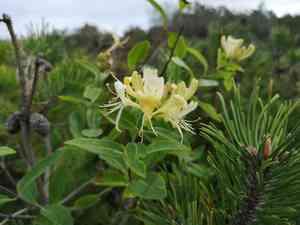
Lonicera periclymenum provides vivid flowers and a pleasant scent, drawing beneficial insects to your outdoor space.
2
Strategic positioning of European honeysuckle greatly influences its development and aesthetic charm.
3
Regular upkeep throughout the year is essential for maintaining the vitality and thriving nature of European honeysuckle.
Introducing European Honeysuckle in Garden Design
Explore the aesthetic advantages of integrating European honeysuckle into your garden layout.
Integrating European honeysuckle into your garden landscape offers numerous aesthetic benefits. This lovely climbing plant is well-known for its fragrant, clustered blossoms, which create a captivating display of color and aroma. It's perfect for lending an elegant touch to fences, trellises, and arbors. The flowers of European honeysuckle come in various hues, typically white, pink, and yellow, gradually changing color as they mature, thereby enhancing your garden's visual dynamics. Furthermore, its abundant foliage provides a verdant backdrop that maintains visual appeal even when the plant isn't flowering. This blend of visual and olfactory charm makes European honeysuckle a delightful addition to any garden setting.
Overview of European honeysuckle's growth patterns and seasonal transformations.
European honeysuckle exhibits vigorous growth, making it an excellent choice for rapidly covering large areas. It thrives in well-drained soil and can reach several meters in height when supported by structures like trellises or fences. Throughout the year, European honeysuckle undergoes fascinating changes. In spring, it bursts forth with fresh green leaves and buds, followed by a profusion of fragrant flowers in summer. As autumn approaches, the flowers are replaced by red or black berries, which can attract birds to your garden. Even in winter, the bare branches of European honeysuckle can add structural interest to the garden landscape.
Selecting the Optimal Site for European Honeysuckle
Key considerations: Sunlight exposure, soil composition, and moisture levels.
Choosing the ideal spot for European honeysuckle in your garden requires evaluating several factors. Primarily, European honeysuckle flourishes in full sun to partial shade. Ensuring it receives at least six hours of daily sunlight will promote robust growth and abundant blooms. Soil type is another crucial element; European honeysuckle prefers well-drained soils with a slightly acidic to neutral pH. Avoid planting it in excessively wet or compacted soils, as this can lead to root rot. Consistent watering is vital, especially during dry periods, but be careful not to overwater, as this can negatively impact the plant's health.
How placement impacts European honeysuckle's vitality and visual appeal.
The positioning of European honeysuckle in your garden significantly affects its health and visual impact. When situated near fences, walls, or pergolas, European honeysuckle can climb and spread, creating a stunning vertical display. Ensure the planting site has good air circulation to prevent fungal diseases. Additionally, placing European honeysuckle near seating areas or pathways allows you to enjoy its sweet fragrance up close. For a more dramatic effect, consider planting European honeysuckle in clusters or pairs to create a denser and more vibrant presentation. Proper placement not only enhances the plant's beauty but also contributes to a healthier, more resilient landscape.
Integrating European Honeysuckle with Other Flora
Companion plants that flourish alongside European honeysuckle.
Integrating European honeysuckle with other plants can foster a harmonious and flourishing garden ecosystem. Excellent companion plants for European honeysuckle include ferns, hostas, and other shade-loving perennials that offer texture and contrast. Additionally, flowering plants like clematis or climbing roses can complement the blooms of European honeysuckle, introducing diverse colors and forms to the landscape. When selecting companion plants, ensure they have similar soil and light requirements to achieve a balanced and healthy garden environment. This thoughtful pairing not only enhances the overall aesthetic but also promotes biodiversity and resilience in your garden.
Design recommendations for creating balanced and contrasting plant arrangements.
When designing with European honeysuckle and other plants, consider texture, color, and form to create a balanced and visually appealing garden. For a harmonious look, pair European honeysuckle with plants that have complementary colors and similar foliage types. For instance, the soft green leaves of European honeysuckle contrast beautifully with the silver foliage of lavender or artemisia. To add drama, combine European honeysuckle with bold and vibrant flowers like dahlias or daylilies. Additionally, layering plants of different heights can create depth and interest in your garden. Experimenting with these design elements will help you achieve a captivating and cohesive garden landscape.
Preserving the Allure of European Honeysuckle
Seasonal care tips to ensure European honeysuckle thrives.
Maintaining the beauty of European honeysuckle necessitates regular seasonal care. In spring, prune back any dead or damaged branches to encourage new growth and improve the plant's structural integrity. Summer is the time to monitor watering needs, ensuring the soil remains moist but not waterlogged. During autumn, remove any fallen leaves or debris around the base to prevent fungal issues. Come winter, a layer of mulch can help protect the roots from frost. Regular feeding with a balanced fertilizer during the growing season will also boost flowering and overall health. These straightforward yet effective maintenance practices will keep European honeysuckle thriving throughout the year.
Strategies for managing common pests and diseases affecting European honeysuckle.
While European honeysuckle is relatively hardy, it can occasionally succumb to pests and diseases. Aphids and scale insects are common pests that can be controlled with insecticidal soap or neem oil. Fungal diseases such as powdery mildew and leaf spot can be prevented by ensuring good air circulation and avoiding overhead watering. If you observe any signs of disease, promptly remove the affected parts to prevent further spread. Regular inspection and swift action are crucial for keeping European honeysuckle healthy and looking its best. Adopting these proactive measures will help you effectively manage potential problems and maintain the beauty of your garden.
Innovative Applications of European Honeysuckle in Landscape Design
Integrating European honeysuckle into vertical gardens and trellises.
European honeysuckle is an ideal candidate for vertical gardening, adding height and visual interest to your landscape. Training it on trellises, arches, or pergolas can create stunning vertical accents that draw the eye upwards. This not only maximizes your garden space but also provides a living wall that can offer privacy and shade. For enhanced effect, consider combining European honeysuckle with other climbing plants to create a lush and layered appearance. Vertical gardening with European honeysuckle can transform even the smallest garden into a vibrant and dynamic space, showcasing the beauty of climbing plants.
Utilizing European honeysuckle as a natural barrier or privacy screen.
Another creative application of European honeysuckle in landscape design is as a natural boundary or privacy screen. Its dense foliage and rapid growth make it perfect for creating green walls that can delineate different areas of your garden. Plant European honeysuckle along fences or property lines to establish a living barrier that provides both privacy and aesthetic value. This approach not only enhances the visual appeal of your garden but also offers a habitat for wildlife, contributing to a richer and more diverse ecosystem. Using European honeysuckle as a natural screen is an eco-friendly and attractive solution for achieving privacy in your outdoor space.



