Enhancing Your Garden Design with the Japanese honeysuckle Plant: A Landscaping Guide
1
Japanese honeysuckle provides continuous aesthetic interest through its evolving hues and blossoms.
2
Japanese honeysuckle serves as a valuable resource for pollinators such as bees and butterflies.
3
Japanese honeysuckle presents an easy-to-care-for garden element, perfect for novice gardeners.
The Visual Charm of Japanese honeysuckle in Garden Layouts
Understanding the Aesthetic Qualities of Japanese honeysuckle
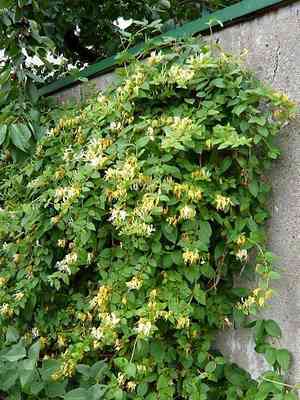
When evaluating the visual appeal of Japanese honeysuckle, its aesthetic traits are immediately striking. Japanese honeysuckle displays delicate, trumpet-shaped blossoms, typically blooming in white and yellow shades, often maturing to a lovely golden hue. These flowers not only introduce color but also emit a sweet, inviting scent that can enrich the sensory experience of your garden. Furthermore, Japanese honeysuckle's green, oval leaves offer a verdant backdrop throughout the growing season, creating a vivid contrast that can highlight other garden elements. Its vine-like growth habit also allows it to drape elegantly over arbors, trellises, and fences, adding a touch of natural grace to any garden arrangement.
Seasonal Color Shifts and Their Influence on Landscapes
Japanese honeysuckle is a plant that transforms with the seasons, offering diverse visual delights at various times of the year. In spring and summer, its flowers are in full bloom, filling the garden with color and fragrance. As seasons transition to autumn, the flowers fade, but the plant remains attractive with its persistent green foliage. In warmer climates, Japanese honeysuckle can even retain some leaves through winter, providing year-round interest. This seasonal evolution not only keeps your garden looking dynamic and fresh but also ensures Japanese honeysuckle consistently contributes to the overall beauty and atmosphere of your landscape, regardless of the time of year.
Integrating Japanese honeysuckle with Other Plants for a Unified Look
Crafting a cohesive garden design often involves combining various plants to achieve a harmonious appearance. Japanese honeysuckle can play a crucial role in this process due to its adaptable growth habit and complementary characteristics. Pair Japanese honeysuckle with plants that have different bloom times to ensure continuous color in your garden. For instance, early spring bulbs can provide an initial burst of color before Japanese honeysuckle begins to flower. Additionally, combining Japanese honeysuckle with plants that have contrasting textures and forms, like ornamental grasses or shrubs with bold foliage, can create striking visual interest. The key is to balance Japanese honeysuckle's vigorous growth with other plants to ensure it enhances, rather than overwhelms, the landscape.
Practical Advantages of Incorporating Japanese honeysuckle in Your Yard
How Japanese honeysuckle Supports Your Garden's Ecosystem
Japanese honeysuckle is more than just an attractive plant in the garden; it also plays a vital role in supporting local ecosystems. The plant's flowers are a rich source of nectar, attracting pollinators such as bees, butterflies, and hummingbirds. These pollinators are essential for the health and productivity of your garden, as they aid in the fertilization of flowers, leading to the production of fruits and seeds. Moreover, the dense foliage of Japanese honeysuckle can provide shelter and nesting sites for small birds and other wildlife, contributing to a biodiverse and vibrant garden environment.
Resilience and Upkeep: Is Japanese honeysuckle a Low-Maintenance Option?
One of the prominent features of Japanese honeysuckle is its resilience and low-maintenance nature, making it an excellent choice for gardeners of all skill levels. Japanese honeysuckle is known for its robust growth and ability to thrive in various soil types and environmental conditions. It requires minimal pruning; a simple trim in late winter or early spring is usually sufficient to keep the plant in check and encourage new growth. While Japanese honeysuckle is relatively drought-tolerant once established, regular watering will help maintain its lush appearance. This plant's ability to flourish with minimal intervention makes it an ideal candidate for those looking to add beauty to their garden without a significant time investment.
Designing with Japanese honeysuckle: Advice and Strategies for Novices
Selecting the Optimal Location for Japanese honeysuckle in Your Landscape
Choosing the correct spot for Japanese honeysuckle in your garden is essential for its success. This plant thrives in full sun to partial shade, preferring well-drained soil. When selecting a location, consider the plant's aggressive growth habit and potential size. It's ideal to plant Japanese honeysuckle near a structure it can climb, such as a fence, arbor, or trellis, to showcase its natural vining tendency. If you want to use Japanese honeysuckle as a ground cover, ensure there's ample space for it to spread. Positioning Japanese honeysuckle strategically will not only enhance its visual impact but also ensure it integrates seamlessly into your garden design.
Innovative Uses for Japanese honeysuckle in Compact and Expansive Areas
Whether you possess a sprawling garden or a cozy backyard, Japanese honeysuckle can be a versatile addition to your landscape. In larger spaces, you can allow Japanese honeysuckle to grow freely over a pergola or along a garden wall to create a lush, green backdrop. Its climbing nature also makes it perfect for creating natural privacy screens. For smaller gardens, consider training Japanese honeysuckle in a controlled manner on a smaller trellis or in a hanging basket where its trailing vines can cascade beautifully. You can also use Japanese honeysuckle to add vertical interest to compact spaces by growing it up a decorative obelisk or in container arrangements paired with other complementary plants.



