Enhancing Your Garden Design with the Pink Honeysuckle Plant: A Landscaping Guide
1
Pink Honeysuckle provides both beauty and environmental advantages to garden layouts.
2
Thoughtful positioning of Pink Honeysuckle can emphasize important spots in your yard.
3
Good care for Pink Honeysuckle guarantees its continued health and attractive appearance.
Understanding the Fundamentals of Pink Honeysuckle in Garden Design
Defining the aesthetic appeal of Pink Honeysuckle
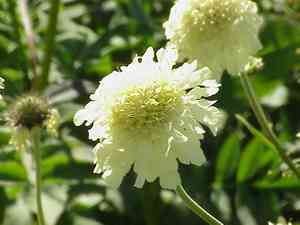
Pink Honeysuckle introduces a distinct charm to outdoor spaces with its vivid pink blossoms and rich green foliage. This plant's visually striking appearance can serve as a central feature, attracting attention and injecting a burst of color into garden environments. Its structural grace, coupled with its delicate hues, imparts an almost ethereal quality to any area.
The typical growth habit and spread of Pink Honeysuckle
Pink Honeysuckle develops as a climbing vine, capable of extending across arbors, fences, and other garden structures. Its growth characteristic makes it adaptable for various landscape applications, from concealing unattractive garden spots to forming natural divisions within the landscape. Comprehending its spread is vital for planning its placement to ensure it enhances rather than dominates your garden.
Seasonal changes in appearance and their contribution to landscaping
Pink Honeysuckle undergoes delightful transformations throughout the year. In spring and summer, it showcases an abundance of pink flowers that attract pollinators, while its leaves provide a verdant backdrop. As seasons progress, its berries and shifting leaf colors continue to add visual interest, ensuring your landscape remains dynamic and appealing year-round.
Strategic Placement of Pink Honeysuckle in Landscape Layouts
Highlighting entrances and walkways
Positioning Pink Honeysuckle near entry points and along paths can create inviting and picturesque routes within your garden. The plant's blooms can frame doorways or border walkways, adding a touch of sophistication and making these areas more welcoming. Its fragrant flowers also enrich the sensory experience for anyone entering your garden.
Establishing focal points in garden areas
Utilizing Pink Honeysuckle as a centerpiece in your garden can draw the eye and create a natural focal point. Whether trained to ascend an arbor or allowed to cascade from a large container, its vibrant flowers and lush foliage can act as a stunning visual anchor around which other plants and decorative elements can be arranged.
Balancing sun exposure and shade
Pink Honeysuckle thrives in both full sun and partial shade, offering flexibility in its placement. In sunny locations, its growth may be more robust, displaying a profusion of blooms, while in shadier spots, it can provide color without requiring intense sunlight. This adaptability allows you to use it in diverse garden areas to achieve balanced and harmonious landscaping.
Pairing Pink Honeysuckle with Other Plants
Complementary color schemes
Pink Honeysuckle's pink flowers harmonize beautifully with other plants featuring complementary colors. For instance, plant it alongside blue or purple flowering plants to create a striking color contrast, or blend it with whites and silvers for a more subtle, elegant appearance. Thoughtful color combinations can enhance the overall aesthetic of your garden.
Ensuring compatible plant requirements
When combining Pink Honeysuckle with other plants, it's crucial to consider their water, soil, and light needs. Pink Honeysuckle typically prefers well-drained soil and moderate watering, so pairing it with plants that have similar requirements will ensure all your plants flourish together. Also, keeping in mind the overall garden composition can prevent overcrowding and competition for resources.
Mixing textures for visual depth
Integrating Pink Honeysuckle with plants of varying textures can add depth and intrigue to your garden. For example, combining it with plants that have larger, bolder leaves or fine, airy foliage can create a visually appealing contrast. Such textural diversity can make your landscape more engaging and dynamic.
Care Guidelines for Pink Honeysuckle in Landscaping
Practical mulching and irrigation strategies
Applying mulch around the base of Pink Honeysuckle helps retain soil moisture and suppress weeds. Regular, deep watering is ideal during its establishment phase, gradually reducing frequency once the plant matures. Mulching also regulates soil temperature, which benefits Pink Honeysuckle's root health, especially in varying seasonal climates.
Seasonal pruning for vitality and aesthetics
Pruning Pink Honeysuckle annually not only helps maintain its form but also encourages vigorous growth and abundant flowering. It's best to prune in late winter or early spring before new growth begins. Removing dead or diseased stems prevents potential pest issues and prompts the plant to direct its energy into producing vibrant blooms and leaves.
Addressing common pests and diseases
Pink Honeysuckle is relatively resilient but can still be affected by pests like aphids and spider mites, as well as fungal infections. Regularly inspecting the plant and using organic treatments, such as neem oil or insecticidal soap, can keep pest populations in check. Good air circulation and avoiding overhead watering help minimize the risk of fungal diseases.
Innovative Applications of Pink Honeysuckle in Contemporary Landscaping
Incorporating Pink Honeysuckle in vertical gardens
Pink Honeysuckle's climbing habit makes it an excellent choice for vertical gardens. Whether on a trellis, living wall, or pergola, its vines can cover vertical structures, maximizing space utilization and creating lush, green walls. This approach is particularly effective in urban areas where horizontal gardening space is limited.
Using Pink Honeysuckle in xeriscaping
Pink Honeysuckle is well-suited for xeriscaping designs, which prioritize drought-tolerant landscaping. Once established, it requires minimal watering, making it an ideal candidate for water-wise gardens. Its ability to thrive in various soil types further enhances its suitability for xeriscaping projects.
Ecological advantages in urban environments
Pink Honeysuckle offers significant ecological benefits, especially in urban landscapes. It provides habitat and food sources for pollinators such as bees and butterflies, contributing to biodiversity in city environments. Additionally, its dense foliage can improve air quality and offer noise reduction, enhancing the overall urban ecosystem.



