Enhancing Your Garden Design with the Winter honeysuckle Plant: A Landscaping Guide
1
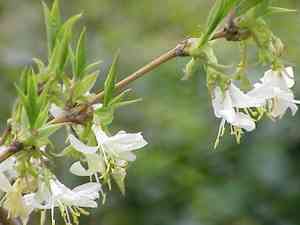
Winter honeysuckle offers year-round visual and fragrant charm to your outdoor space.
2
Thoughtful placement of Winter honeysuckle in your garden enhances its beauty.
3
Consistent seasonal maintenance ensures Winter honeysuckle flourishes throughout the year.
Understanding the Fundamentals of Winter Honeysuckle in Landscaping
Overview of Winter honeysuckle's aesthetic and fragrant appeal in garden design
For enhancing your home's outdoor spaces, Winter honeysuckle offers a delightful blend of visual charm and pleasant aroma. This adaptable plant features fragrant blossoms that can fill your garden with a lovely scent, making strolls or relaxation enjoyable. Its delicate flowers and lush foliage can add elegance and an inviting atmosphere to any outdoor area. Whether you desire a vibrant garden or a subtle backdrop, Winter honeysuckle provides timeless appeal suitable for various landscaping styles.
Year-round advantages: why Winter honeysuckle is an excellent choice throughout the seasons
Winter honeysuckle isn't merely a seasonal highlight; it offers continuous benefits, making it a superb garden addition. During spring and summer, it blooms beautifully, providing bursts of color and delightful fragrances. As other plants fade in autumn, Winter honeysuckle maintains its presence, offering greenery and, at times, late blossoms. In winter, its robust nature ensures your garden remains visually appealing, with its structure and occasional flowers breaking the monotony of a snow-covered landscape.
Integrating Winter Honeysuckle into Your Garden Layout
Strategic placement of Winter honeysuckle for maximum visual impact
To fully leverage Winter honeysuckle's aesthetic appeal, consider its thoughtful placement within your garden design. Positioning it near windows or pathways allows its fragrance to drift indoors and greet you as you walk through your garden. It's also effective as a focal point in flower beds or as a hedge, creating natural boundaries and adding structure. By placing Winter honeysuckle where its qualities are most appreciated, you'll enhance both the beauty and enjoyment of your outdoor space.
Companion plants: what pairs effectively with Winter honeysuckle?
Pairing Winter honeysuckle with complementary plants can elevate your garden's overall look. Consider planting it alongside evergreens for a striking contrast with its blooms, or mix it with other flowering shrubs for a layered effect with diverse colors and textures. Ground covers like lavender or low-growing sedums can complement its height and create a full, lush garden appearance. The key is selecting plants that either contrast with or enhance Winter honeysuckle's visual and aromatic traits, ensuring a harmonious and attractive landscape.
Maintaining visual interest: combining Winter honeysuckle with varied textures and colors
Winter honeysuckle can be beautifully incorporated into a garden featuring a diverse range of textures and colors. Combining it with plants that have different leaf shapes, sizes, and hues can create a dynamic and engaging garden space. For instance, pairing it with grasses or spiky plants offers textural contrast, while using plants with variegated leaves adds visual interest. Blending Winter honeysuckle with plants of varying heights ensures a balanced look, making your garden aesthetically pleasing from all angles.
Practical Advice for Planting and Cultivating Winter Honeysuckle
Soil preferences and sun exposure for optimal development
For optimal growth, Winter honeysuckle requires well-draining soil rich in organic matter. This aids in establishing a strong root system and promoting vitality. Regarding sun exposure, it thrives in full sun to partial shade, meaning it needs at least six hours of sunlight daily. Adequate sun exposure not only boosts blooming but also keeps the plant healthy and vibrant. If your garden area has poor drainage or heavy shade, consider amending the soil or relocating to meet its needs.
Watering schedules and methods specific to Winter honeysuckle
Correctly watering Winter honeysuckle is vital for its health. While it's quite drought-tolerant once established, it performs best with consistent watering, especially during dry periods. Aim to keep the soil consistently moist but not waterlogged. Deep watering once a week encourages deeper root growth, leading to a more resilient plant. Applying mulch around the base can help retain moisture and reduce the need for frequent watering. Always check soil moisture before watering to prevent overwatering, which can cause root rot.
Pruning techniques to shape Winter honeysuckle and encourage denser growth
Pruning Winter honeysuckle not only helps maintain its form but also promotes denser and more vigorous growth. The ideal time to prune is immediately after its blooming period, typically late spring to early summer. First, remove any dead or diseased branches, then trim back any overgrown stems to the desired shape. Regular pruning will help it maintain a compact form and stimulate new growth, leading to more blooms the following season. Light annual pruning is usually sufficient, but more extensive pruning may be necessary if the plant becomes too large or unruly.
Seasonal Care and Upkeep for Winter Honeysuckle
Preparing Winter honeysuckle for winter: steps to ensure health and vitality
Preparing Winter honeysuckle for winter involves several key steps to ensure its health and vibrancy. Start by mulching around the plant's base to shield roots from extreme cold. Secondly, avoid fertilizing late in the season, as this can stimulate new growth that may not survive winter. Instead, focus on deep watering before the ground freezes to keep the plant hydrated. Protect young or recently planted specimens with burlap or a plant cover designed to guard against harsh winter conditions.
Spring care tips: revitalizing Winter honeysuckle after the cold months
Once winter has passed, it's time to revitalize Winter honeysuckle with essential spring care. Begin by removing any winter protective coverings and clearing mulch from the base. Prune back any damaged or dead branches to encourage new growth. A light application of balanced fertilizer can boost the plant's energy after its dormant period. Additionally, ensure the soil remains adequately moist as new growth commences. By providing proper spring care, you set the stage for a beautiful and healthy blooming season.
Common pests and diseases: how to safeguard Winter honeysuckle
Like any plant, Winter honeysuckle is susceptible to certain pests and diseases. Common pests include aphids, scales, and mites, which can be managed with insecticidal soaps or horticultural oils. Be vigilant and regularly inspect the plant for signs of infestation. As for diseases, root rot and fungal infections are more common in poorly drained soils. To protect Winter honeysuckle, ensure proper watering practices and consider using fungicide if necessary. Regular monitoring and prompt action at the first sign of trouble can keep it healthy and thriving.



