Enhancing Your Garden Design with the Honeyberry Plant: A Landscaping Guide
1
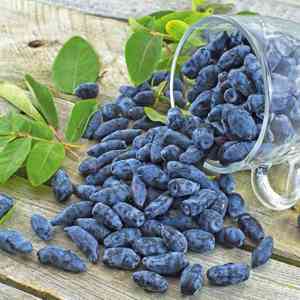
Honeyberry features lively leaves and appealing fruits, making it a prominent feature in garden layouts.
2
Selecting suitable companion flora can enhance Honeyberry's aesthetic and environmental advantages.
3
Honeyberry aids local fauna, providing sustenance and refuge for diverse creatures.
Introducing Honeyberry in Landscape Design
Overview of Honeyberry's unique characteristics and visual charm
Honeyberry is recognized for its lively leaves, attractive flowers, and tasty fruits that bring a splash of color to your garden. Its distinct visual traits include elongated, blue-tinted berries that beautifully contrast with green foliage. Gardeners value Honeyberry for its decorative worth and its capacity to capture attention, making it a focal point in landscape designs. The plantâs robust nature and adaptability to various climates further boost its appeal, offering both beauty and resilience.
The increasing popularity of Honeyberry in contemporary gardens
In recent times, Honeyberry has experienced a surge in demand among landscape designers and home gardeners. Its adaptability allows it to integrate smoothly into both modern and classic garden aesthetics. The plant's minimal upkeep and high ornamental value make it a preferred choice, especially for those seeking to add a touch of sophistication without extensive maintenance. Furthermore, the edible aspect of the berries makes Honeyberry a desirable option for those aiming to combine usefulness with visual appeal in their garden spaces.
Strategic Placement of Honeyberry in Garden Layouts
Maximizing visual impact through Honeyberry's positioning
Placing Honeyberry thoughtfully in your garden can significantly boost its visual appeal. For example, situating Honeyberry against a backdrop of lighter-colored foliage can highlight its vibrant leaves and berries. Moreover, planting Honeyberry near paths or entrances ensures its beauty is immediately noticeable to visitors. It is also effective when used as a central feature in a garden bed or as part of a mixed border, adding depth and interest to the garden's arrangement.
Integrating Honeyberry into themed garden designs
Honeyberry is incredibly versatile and can be incorporated into various themed garden concepts. For an edible garden, Honeyberry can be paired with other fruit-bearing plants, such as raspberries or blueberries, creating a productive and visually harmonious area. In a cottage garden, Honeyberry blends well with traditional perennials and ornamental grasses, adding a touch of classic charm. For a wildlife-friendly garden, combining Honeyberry with native plants can attract local fauna, fostering a harmonious and sustainable environment.
Pairing Honeyberry with Other Plants
Selecting companion plants for Honeyberry to boost biodiversity
Choosing appropriate companion plants for Honeyberry is vital for enhancing garden biodiversity. Plants that thrive in similar soil and light conditions, such as strawberries or rhubarb, make excellent partners. By including a variety of plants, you can establish a more resilient garden ecosystem, supporting a wider array of pollinators and beneficial insects. This not only improves the health and productivity of your garden but also contributes to the overall environmental well-being of your area.
Advice for creating cohesive plant groupings with Honeyberry
Crafting harmonious plant groupings with Honeyberry involves considering both aesthetic and ecological factors. Aim for a balance of color, texture, and height to ensure a pleasing visual arrangement. For instance, pairing Honeyberry with tall ornamental grasses can provide a striking contrast and enhance visual interest. Including plants that bloom at different times can ensure continuous garden appeal. Additionally, combining Honeyberry with nitrogen-fixing plants, such as clover, can improve soil health and benefit all the plants in the grouping.
Seasonal Considerations for Honeyberry
Best practices for caring for Honeyberry throughout the year
Maintaining Honeyberry through the changing seasons requires understanding its specific needs at different times. During the active growth period, consistent watering and mulching can keep the soil moist and the roots healthy. In autumn, pruning helps to remove any dead or diseased branches and encourages new growth in spring. Winter protection, such as applying a layer of mulch or using a frost blanket, can shield Honeyberry against harsh weather, ensuring it remains strong and healthy year-round.
Utilizing Honeyberry's seasonal changes for continuous appeal
One of the benefits of incorporating Honeyberry into your landscape is its evolving appearance throughout the seasons. In spring, Honeyberry produces beautiful blooms that attract pollinators, followed by fruiting in summer with vibrant berries. The foliage often develops attractive hues in autumn, providing more seasonal color. By understanding and leveraging these seasonal transformations, you can design your garden to have continuous appeal, with different features of Honeyberry taking center stage at various times of the year.
Honeyberry's Impact on Local Ecology
Benefits of Honeyberry for local wildlife and ecosystems
Honeyberry plays a significant role in supporting local wildlife and ecosystem health. Its flowers attract pollinators like bees and butterflies, while the berries offer a valuable food source for birds and small mammals. Furthermore, Honeyberry can serve as a habitat for beneficial insects, contributing to greater garden biodiversity. By integrating Honeyberry into your landscape, you're not only enhancing your garden's beauty but also supporting crucial ecological functions.
Sustainable practices with Honeyberry for ecological balance
Practicing sustainability with Honeyberry involves several key approaches. Using organic fertilizers and avoiding synthetic pesticides helps maintain soil health and protect beneficial organisms. Mulching with organic materials can conserve water and improve soil quality. Additionally, creating a diverse planting scheme can reduce the risk of pest outbreaks and improve overall resilience. Sustainable practices ensure that Honeyberry and the entire garden ecosystem remain healthy and vibrant, contributing to long-term ecological balance.



