Enhancing Your Garden Design with the Perennial ryegrass Plant: A Landscaping Guide
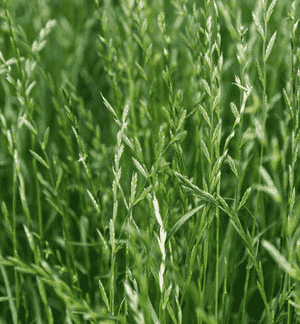
1
Perennial ryegrass is a adaptable species capable of flourishing in diverse soil types and weather patterns.
2
Adding Perennial ryegrass to your outdoor space can enhance both its visual appeal and environmental well-being.
3
Appropriate care and planting of Perennial ryegrass can result in verdant, lively garden areas.
Understanding the Function of Perennial Ryegrass in Landscape Design
Introduction to Perennial Ryegrass and its widespread application in contemporary landscaping
For enhancing your outdoor space, Perennial Ryegrass stands out as an excellent option. This plant, recognized for its robust nature and lush growth, sees extensive use in various landscaping endeavors. Its capacity to establish quickly and flourish in diverse settings makes it an ideal choice for both residential and commercial landscapes. Whether aiming for a vibrant lawn or a resilient green area, Perennial Ryegrass offers the adaptability to fulfill your requirements.
The visual advantages of integrating Perennial Ryegrass into your garden layout
Visually, Perennial Ryegrass provides a rich, green foundation that can elevate the aesthetic appeal of any outdoor area. Its fine texture and dense growth habit deliver a uniform appearance, making it perfect for lawns, borders, and other decorative applications. The vivid color of Perennial Ryegrass accentuates other garden plants, bringing a harmonious balance to your garden design. It can also be mowed to varying heights, enabling creative landscape contours and patterns.
How Perennial Ryegrass contributes to the sustainability and environmental friendliness of landscapes
Beyond its beauty, Perennial Ryegrass is also praised for its ecological benefits. This plant plays a vital role in preventing soil erosion, thanks to its dense root system. It also aids in water retention, lessening the need for frequent irrigation. Furthermore, Perennial Ryegrass can outcompete weeds, minimizing the necessity for chemical herbicides. Its eco-conscious attributes make it a valuable addition to sustainable landscaping practices.
Selecting the Optimal Environment for Perennial Ryegrass in Your Landscape
Analyzing soil conditions suitable for Perennial Ryegrass
To ensure the healthy development of Perennial Ryegrass, it's crucial to evaluate your landscape's soil conditions. Perennial Ryegrass thrives best in well-drained soil, rich in organic matter. Performing a soil test can offer valuable insights into pH levels and nutrient content, allowing for any necessary adjustments. If the soil is sandy or clayey, incorporating compost or organic material can enhance its structure and fertility.
Sunlight and shading requirements for ideal growth of Perennial Ryegrass
Perennial Ryegrass needs ample sunlight to flourish, ideally around 4-6 hours of direct sun daily. While it can endure partial shade, ensuring sufficient sunlight exposure will promote vigorous growth and vibrant color. In shaded spots, consider thinning tree canopies or strategically placing Perennial Ryegrass where it can receive the most light.
Effective landscaping designs that highlight Perennial Ryegrass's characteristics
To maximize Perennial Ryegrass's features, consider incorporating it into various landscape designs. Perennial Ryegrass can be used to create lush, expansive lawns, or as a ground cover in garden beds. It pairs well with ornamental shrubs and flowering plants, creating a visually appealing contrast. Moreover, designing gentle slopes or terraces with Perennial Ryegrass can add depth and dimension to your garden.
Managing and Maintaining Perennial Ryegrass in Your Landscape
Basic tips for daily upkeep of Perennial Ryegrass
Maintaining Perennial Ryegrass involves regular mowing, watering, and fertilizing. Mow the lawn to a height of approximately 2-3 inches to encourage dense growth. Water deeply but infrequently, ensuring the soil stays moist but not waterlogged. Fertilize with a balanced lawn fertilizer in early spring and late summer to provide essential nutrients for healthy growth.
Addressing common difficulties encountered while cultivating Perennial Ryegrass
Cultivating Perennial Ryegrass can present its own set of challenges, such as dealing with pests, diseases, and weed competition. Regularly inspect your lawn for signs of pests like grub worms or fungal diseases, and take preventative measures such as applying appropriate treatments. To combat weed growth, maintaining a thick, healthy lawn can naturally suppress weed emergence.
Seasonal care advice for ensuring year-round vitality of Perennial Ryegrass
Seasonal care is vital for keeping Perennial Ryegrass vibrant throughout the year. In the spring, aerate the lawn to improve soil respiration and apply a pre-emergent weed control. During the hot summer months, ensure adequate watering to prevent drought stress. In the fall, overseed thin areas and apply a fall fertilizer to prepare Perennial Ryegrass for the colder winter months.
Innovative Applications of Perennial Ryegrass in Landscape Design
Integrating Perennial Ryegrass into themed garden areas
Utilizing Perennial Ryegrass in themed gardens can enhance their aesthetic and practical value. For instance, in a meadow-themed garden, Perennial Ryegrass can serve as a lush green carpet, complementing wildflowers and native grasses. In a modern minimalist garden, it can create clean lines and uniformity, allowing architectural elements to stand out.
Employing Perennial Ryegrass as a solution for erosion prevention
One of the significant advantages of Perennial Ryegrass is its capacity to control soil erosion. Its dense root system binds soil particles together, preventing erosion on slopes and banks. Planting Perennial Ryegrass along retaining walls or in erosion-prone areas can provide a sustainable solution to soil loss while adding greenery to the landscape.
Creative pairings of Perennial Ryegrass with other plants for visual appeal
To create a visually dynamic landscape, consider combining Perennial Ryegrass with other plants. Pairing it with flowering perennials, ornamental grasses, and shrubs can create a textured and colorful garden. The contrasting forms and colors can make your landscape more engaging and aesthetically pleasing.
Impact of Perennial Ryegrass on Biodiversity and Local Ecosystems
Role of Perennial Ryegrass in supporting local wildlife
Perennial Ryegrass plays a crucial role in supporting local wildlife by providing habitat and food sources. Its thick growth offers shelter for small animals and insects, while its seeds can attract birds. Integrating Perennial Ryegrass into your landscape can help create a thriving ecosystem in your own backyard.
Benefits of Perennial Ryegrass in fostering biodiversity
By incorporating Perennial Ryegrass into your landscaping, you contribute to increasing biodiversity. This plant can coexist with a variety of flora and fauna, promoting a balanced and diverse ecosystem. Diverse plantings can lead to healthier gardens and reduced pest problems, as beneficial insects and pollinators are drawn to the area.
Case studies and examples of successful ecological landscapes utilizing Perennial Ryegrass
There are numerous instances where Perennial Ryegrass has been effectively used to establish sustainable and ecological landscapes. From public parks to residential gardens, Perennial Ryegrass has proven to be a resilient and adaptable plant. Showcasing these case studies can provide inspiration and practical insights for incorporating Perennial Ryegrass into your own landscape.



