Enhancing Your Garden Design with the Tulip poplar Plant: A Landscaping Guide
1
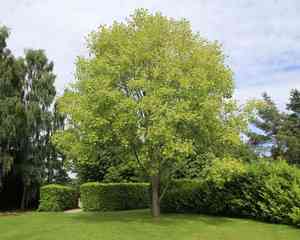
The tulip poplar makes an impressive centerpiece in your yard, thanks to its towering stature and distinctive blossoms.
2
Thoughtfully positioning a tulip poplar in your landscape can boost both its visual charm and environmental benefits.
3
Caring for a tulip poplar requires careful seasonal planning to guarantee ongoing development and vivid flowering.
Introducing Tulip Poplar in Landscaping
Qualities of Tulip Poplar that make it a prime selection for gardeners and landscapers
A primary reason Tulip Poplar is favored by gardeners and landscapers is its impressive stature and unique tulip-like blooms. Known for quickly reaching 70-90 feet, Tulip Poplar provides an elegant vertical element in any garden. Furthermore, it features a straight trunk and branches forming a pyramidal crown, offering a grand and dignified presence. Its leaves are large and distinctively shaped, adding to its ornamental value. Another notable characteristic is its vibrant autumn color, where leaves transform into a captivating golden yellow, offering year-round seasonal interest and diversity.
Brief overview of Tulip Poplar's visual charm
Beyond its structural attributes, Tulip Poplar possesses considerable aesthetic appeal. The tree produces striking blossoms resembling tulips, with greenish-yellow petals accented by an orange band at the base â a sight that can transform your garden's atmosphere. Additionally, the treeâs clean, straight lines and abundant foliage create a balanced and harmonious look, making it an excellent backdrop or a prominent specimen in your landscape design.
Integrating Tulip Poplar into Your Garden
Strategic placement of Tulip Poplar to establish focal points
When positioning Tulip Poplar in your garden, consider creating focal points. Due to its significant height and iconic flowers, Tulip Poplar can draw the eye and establish a visual anchor around which other garden elements are arranged. Consider placing Tulip Poplar at the end of a path or in a central location where it can be viewed from multiple angles. This deliberate placement ensures the treeâs natural beauty is highlighted and fully appreciated by anyone visiting your garden.
Pairing Tulip Poplar with other plants for a cohesive design
To achieve a harmonious garden design, combine Tulip Poplar with complementary plants. Select species that thrive in similar growing conditions as Tulip Poplar and possess varying heights and textures to create depth and contrast. For instance, shrubs with vibrant flowers or evergreen foliage can offer a striking contrast to Tulip Poplar's tall, upright form. Perennials and ground covers can be used to fill spaces beneath the tree, ensuring the garden feels complete and unified.
Design suggestions for utilizing Tulip Poplar in themed gardens
For those interested in themed gardens, Tulip Poplar is remarkably adaptable. In a formal garden, use it as a majestic anchor among symmetrical plantings and manicured hedges. In a woodland garden, allow Tulip Poplar to blend more naturally with other native species, creating a relaxed and organic feel. The treeâs large leaves and distinctive flowers give it a bold appearance that can suit various garden themes, whether modern, traditional, or eclectic.
Seasonal Considerations for Tulip Poplar
Optimal seasons to plant Tulip Poplar for maximum growth and flowering
Planting Tulip Poplar at the correct time of year is vital for its successful establishment and development. The best times to plant Tulip Poplar are in early spring or late autumn. This timing allows the tree to establish roots before the stress of summer heat or winter cold begins. Early spring planting gives Tulip Poplar a full growing season to become established, while late autumn planting enables it to develop a root system while above-ground growth is dormant.
How seasonal changes impact the appearance of Tulip Poplar
Seasonal changes significantly enhance Tulip Poplar's visual appeal. In spring, the tree bursts into life with its unique, tulip-shaped flowers. During summer, lush green leaves provide ample shade, creating a cool and relaxing garden space. As autumn approaches, the foliage turns a brilliant golden yellow, adding a splash of color before the leaves fall. Even in winter, the treeâs distinctive shape and bark texture offer visual interest, ensuring Tulip Poplar provides beauty throughout the year.
Long-Term Advantages of Tulip Poplar in Landscape Design
Enhancing property aesthetics with mature Tulip Poplar
A mature Tulip Poplar can significantly elevate your property's aesthetic quality. Its towering height and expansive canopy create an unparalleled sense of grandeur and elegance. As the tree matures, its extensive network of branches and dense foliage can provide much-needed shade, making your outdoor spaces more comfortable and inviting. Additionally, the treeâs growth enhances the visual depth and scale of your landscape, giving your garden a more established and refined appearance.
Ecological impact: benefits of Tulip Poplar in supporting local wildlife
Beyond its visual appeal, Tulip Poplar plays a crucial ecological role. It supports local wildlife by providing habitat and food sources. Birds, squirrels, and insects are drawn to Tulip Poplar for its nectar, seeds, and shelter. The treeâs flowers are particularly valuable to pollinators, such as bees and butterflies, which rely on them for nectar. Furthermore, the dense canopy offers nesting sites and protection for various bird species, contributing to a biodiverse and vibrant garden ecosystem.



