Enhancing Your Garden Design with the Chinese tulip tree Plant: A Landscaping Guide
1
The Chinese tulip tree provides striking seasonal transformations, boosting any landscape's aesthetic charm.
2
Selecting an appropriate site is crucial for the robust development and well-being of the Chinese tulip tree.
3
Consistent, ongoing care guarantees the Chinese tulip tree will be a cherished garden feature for many years.
Appreciating the Visual Appeal of Chinese Tulip Tree
Overview of its distinct aesthetic qualities
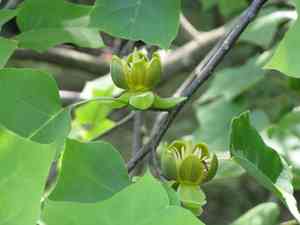
The Chinese tulip tree offers a striking and singular beauty to any setting. Its most notable characteristic is its captivating floral display, featuring blooms that resemble tulips. These flowers come in various hues, creating a vivid focal point in your garden. Furthermore, the Chinese tulip tree boasts broad, luxuriant leaves that impart a robust, green feel to the overall landscape design. As seasons change, its foliage undergoes a remarkable transformation, turning golden yellow in autumn, which can create a picturesque scene. These visual traits collectively make the Chinese tulip tree an excellent choice for gardeners seeking to add a dramatic flair to their outdoor areas.
Seasonal transformations and their landscape influence
Seasonal shifts significantly affect the Chinese tulip tree's aesthetic appeal. In spring and summer, its leaves are a deep green, forming a lush backdrop for its tulip-like flowers, which are at their peak. As fall approaches, the foliage transitions to bright yellow shades, offering a different kind of visual interest and making the landscape feel warm and inviting. During winter, even after shedding its leaves, the bark and structure of the Chinese tulip tree still add texture and character to the garden. Understanding these seasonal changes helps in planning your garden design for year-round beauty and appeal.
Selecting the Ideal Spot for Chinese Tulip Tree
Assessing soil and sun exposure for optimal development
Choosing the correct location for the Chinese tulip tree is vital for its growth and health. This plant thrives in well-drained, fertile soil with a slightly acidic to neutral pH. Soil preparation, including adding organic matter, can improve its growing conditions. Additionally, the Chinese tulip tree prefers full sun to partial shade, requiring at least six hours of direct sunlight daily. Placing it in an area with ample sunlight will ensure vigorous growth and a healthier, more vibrant plant. Before planting, it's wise to test your soil and monitor the sun exposure of your desired spot to make any necessary adjustments.
Space considerations prior to planting
The Chinese tulip tree is a species that can grow quite large, making space a crucial factor. It can reach heights of 50 to 75 feet, with a spread of approximately 30 to 40 feet. Therefore, planting the Chinese tulip tree in an area with sufficient space is essential to prevent overcrowding and allow it to achieve its full potential. Consider the tree's mature size when selecting a site, ensuring it has enough room to grow without interfering with structures, power lines, or other plants. Providing adequate space will also promote better air circulation, reducing disease risk and fostering healthier growth.
Companion Plants and Chinese Tulip Tree: A Harmonious Blend
Optimal companion plants for Chinese tulip tree
Selecting appropriate companion plants can enhance the beauty and vitality of the Chinese tulip tree. Excellent choices include plants that flourish in similar soil and sunlight conditions. Suitable companions might be understory plants such as hostas, ferns, and shade-loving perennials that can thrive in the dappled light beneath the tree. Shrubs like azaleas and rhododendrons can also complement the Chinese tulip tree, offering contrasting textures and colors that boost overall aesthetic appeal. The key is to choose plants that are not only visually compatible but also form a supportive network for one another.
Designing for biodiversity and aesthetic value
When planning your garden, incorporating a variety of plants with the Chinese tulip tree can create a rich tapestry of biodiversity and visual interest. Consider blending plants of different heights, textures, and colors to establish depth and dimension. Layering plants, such as placing groundcovers, perennials, and shrubs around the base of the Chinese tulip tree, can create a visually appealing and ecologically balanced landscape. This approach not only enhances aesthetic appeal but also fosters a healthier garden ecosystem by supporting a range of beneficial insects and wildlife.
Long-Term Care and Upkeep
Guidelines for monitoring and maintaining plant health
To keep the Chinese tulip tree healthy, consistent monitoring and maintenance are vital. Regularly check for signs of pests or disease and take prompt action if needed. Pruning is another critical aspect of upkeep, helping to shape the tree, encourage healthy growth, and remove any dead or diseased branches. Watering should be deep and infrequent, ensuring the soil is moist but not waterlogged. Applying mulch around the base helps retain moisture and regulate soil temperature. Regular soil tests and appropriate fertilization can also support the long-term health of the Chinese tulip tree.
Seasonal upkeep and management advice
Each season brings distinct maintenance requirements for the Chinese tulip tree. In spring, focus on pruning and inspecting for any winter damage. Summer demands consistent watering, especially during dry spells. Fall is the time to clear fallen leaves and potentially add a layer of mulch to protect the roots during winter. Throughout the winter months, be sure to monitor for any signs of stress or damage from cold weather. By addressing the seasonal needs of the Chinese tulip tree, you can ensure it remains a healthy and vibrant component of your landscape year-round.
Impacts of Chinese Tulip Tree on Local Ecology and Wildlife
Role of Chinese tulip tree in supporting local wildlife
The Chinese tulip tree plays a significant role in supporting local wildlife. Its flowers attract various pollinators, including bees and butterflies, which are crucial for the health of many ecosystems. The tree's seeds can provide food for birds and small mammals, making it an integral part of the food web. Additionally, the tree can offer shelter and nesting sites for diverse wildlife, contributing to a more biodiverse and vibrant ecosystem. By incorporating the Chinese tulip tree into your landscaping, you are not only enhancing your garden's beauty but also supporting local wildlife populations.
Contribution to ecological balance and diversity
Introducing the Chinese tulip tree into your landscape can significantly contribute to ecological balance and diversity. It acts as a keystone species, supporting a multitude of interdependent organisms. By providing habitat and food sources, it helps maintain the balance of your garden's ecosystem. Diverse plantings, including the Chinese tulip tree, reduce the chances of pest outbreaks and disease, as a variety of plants can support a wider range of beneficial insects and microorganisms. With careful planning and management, the Chinese tulip tree can help create a resilient and harmonious garden ecosystem, benefiting both your outdoor space and the wider environment.



