Enhancing Your Garden Design with the Sweetgum Plant: A Landscaping Guide
1
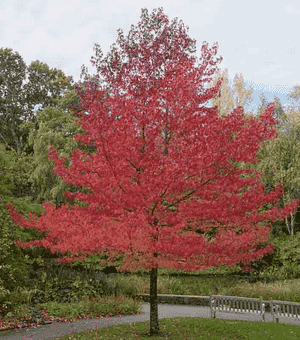
Sweetgum offers beautiful seasonal color changes that boost aesthetic charm year-round.
2
Introducing Sweetgum can enrich biodiversity and foster a more robust garden environment.
3
Thoughtfully positioning Sweetgum can act as an organic privacy barrier, increasing the serenity of your outdoor area.
Introducing Sweetgum in Garden Design
Understanding Sweetgum's visual impact in outdoor spaces
Adding Sweetgum to your garden can significantly enhance its aesthetic appeal. Renowned for its striking, star-shaped leaves that change through a spectrum of colors each season, Sweetgum serves as a prominent feature in any landscape plan. Its vibrant, multi-hued foliage can act as a stunning backdrop or the central attraction, creating visually dynamic and pleasing outdoor environments.
Sweetgum's contribution to seasonal color changes
A key characteristic of Sweetgum is its capacity for dramatic seasonal color shifts. In spring and summer, its leaves are typically a rich green, fostering a cool and tranquil atmosphere. As autumn nears, the leaves transition to brilliant reds, oranges, and purples, offering a seasonal display that can transform your garden into an autumnal spectacle. These vivid changes not only boost your garden's beauty but also establish an ambiance of natural rhythm and evolution.
Comparing Sweetgum with other common landscaping trees
When contrasting Sweetgum with other popular landscaping trees, its distinct qualities become apparent. Unlike evergreens, which offer consistent but less dynamic scenery, or flowering trees with brief bloom periods, Sweetgum provides an extended and varied color show throughout the growing season. Furthermore, Sweetgum adapts well to diverse climates and soil types, making it a versatile choice for various gardening needs. Its aesthetic and practical advantages often make it a preferred option over trees like maples or oaks for those desiring a dynamic and vibrant garden.
Designing Your Landscape with Sweetgum
Selecting the ideal spot for Sweetgum in your garden
Correct placement of Sweetgum is vital for its health and your garden's beauty. Choose a location that receives full sun to partial shade, as Sweetgum thrives in these conditions. Ensure the site has well-drained soil to prevent root rot. Planting Sweetgum where its striking colors can be fully appreciated, such as near a patio or along a garden path, will maximize its visual effect. Avoid positioning it too close to structures or other trees to allow space for its extensive root system and spreading canopy.
Design considerations: Sweetgum's height, spread, and growth rate
Sweetgum can grow quite large, often reaching heights of 60-75 feet with a spread of 40-60 feet. When planning your landscape, keep these dimensions in mind to ensure it doesnât overpower your space. The tree's moderate growth rate allows for graceful development, providing shade and beauty without rapid encroachment. Consider the tree's mature size when spacing other plants around it, allowing ample room for it to become a majestic focal point.
Pairing Sweetgum with complementary plant species
To create a cohesive landscape, combine Sweetgum with complementary plants that enhance its beauty. Consider underplanting with shade-tolerant perennials or groundcovers like hostas and ferns, which flourish in the canopyâs dappled light and add textural contrast. Flowering shrubs such as azaleas or rhododendrons can provide bursts of color that highlight Sweetgumâs seasonal foliage changes. The right plant combinations can create a balanced and visually appealing garden design.
Advantages of Integrating Sweetgum into Outdoor Areas
Environmental benefits of cultivating Sweetgum
Incorporating Sweetgum into your landscape offers numerous environmental advantages. It functions as a natural air purifier, absorbing pollutants and releasing oxygen, thereby contributing to cleaner air. Additionally, Sweetgum aids in soil stabilization with its extensive root system, reducing erosion and improving soil health. These environmental attributes make Sweetgum a sustainable choice for eco-conscious gardeners.
How Sweetgum can boost biodiversity in your garden
Planting Sweetgum enhances garden biodiversity by providing habitat and sustenance for various wildlife. Its dense canopy offers nesting sites for birds, while its seeds serve as a food source for squirrels and other small mammals. Furthermore, the tree attracts beneficial insects like pollinators, which are crucial for your garden's health and productivity. Increased biodiversity through Sweetgum leads to a more resilient and balanced garden ecosystem.
Sweetgum's role in establishing natural privacy screens
One practical application of Sweetgum in landscape design is its ability to function as a natural privacy screen. Its dense foliage and substantial height make it ideal for creating barriers that shield your outdoor spaces from prying eyes, noise, and wind. Planting Sweetgum along property lines or near seating areas can transform your garden into a secluded and serene retreat, enhancing your sense of privacy and comfort.
Seasonal Maintenance Advice for Sweetgum
Spring and summer care for optimal development
To ensure Sweetgum thrives during spring and summer, provide regular watering, especially during dry periods, to keep the soil moist but not waterlogged. Mulching around the base helps retain moisture and control weeds. Fertilize in early spring with a balanced fertilizer to support healthy growth. Pruning should be minimal but can be done to remove any dead or damaged branches, allowing better air circulation and encouraging new growth.
Preparing Sweetgum for the autumn and winter periods
As fall approaches, reduce watering to help harden off the tree, preparing it for winter dormancy. Clear fallen leaves to prevent potential pests or diseases. In colder climates, consider wrapping young trees with burlap to protect them from frost damage. Ensure the tree is well-hydrated before the winter freeze sets in to help it withstand the colder months. Proper seasonal care will keep Sweetgum healthy and vibrant year-round.



