Enhancing Your Garden Design with the Wavyleaf sea lavender Plant: A Landscaping Guide
1
Wavyleaf sea lavender flourishes with little upkeep, perfect for novice and seasoned gardeners alike.
2
The vivid shades of Wavyleaf sea lavender can introduce a dynamic burst of color to any garden aesthetic.
3
Wavyleaf sea lavender complements diverse plants, offering attractive juxtaposition and boosting garden variety.
Appreciating the Visual Charm of Wavyleaf Sea Lavender
Distinctive Color Range: The vivid shades of Wavyleaf sea lavender
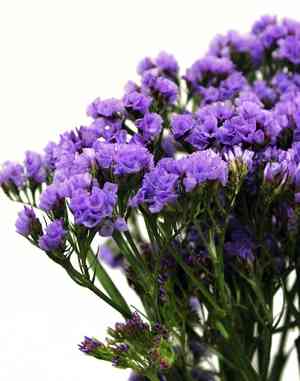
A prominent characteristic of Wavyleaf sea lavender is its striking and diverse color palette. Its blossoms appear in an array of captivating tones, from purples and blues to pinks and whites. This diversity allows gardeners to utilize Wavyleaf sea lavender flexibly across various landscape areas, either as a focal point or integrated with other plants to form an intricate color mosaic. The bright colors also attract pollinators, further boosting your garden's ecological value.
Unique Foliage: Examining the texture and shape of Wavyleaf sea lavender
Wavyleaf sea lavender is recognized not just for its colorful flowers but also for its distinctive leaves. The foliage is typically wavy and deeply lobed, providing a unique texture that beautifully contrasts with the softer, rounder leaves often found in gardens. This texture adds depth and visual interest to garden beds, making Wavyleaf sea lavender an attractive option for improving your landscape design's overall aesthetics.
Seasonal Adaptability: When does Wavyleaf sea lavender look its finest?
Another appealing feature of Wavyleaf sea lavender is its seasonal adaptability. It primarily blooms in summer but maintains its visual appeal well into autumn. Even as the flowers fade, the foliage retains its texture, ensuring your garden remains attractive across multiple seasons. This extended period of visual interest makes Wavyleaf sea lavender a valuable addition to any garden, offering lasting beauty with relatively little upkeep.
Incorporating Wavyleaf Sea Lavender into Various Garden Designs
Enhancing Formal Gardens: The contribution of Wavyleaf sea lavender
Wavyleaf sea lavender can be an excellent addition to formal gardens, where structure and balance are paramount. The plant's dense flower clusters can be used to create borders that are both colorful and well-defined. By planting Wavyleaf sea lavender in organized, repeating patterns, you can introduce a touch of elegance and formality to your garden, fitting seamlessly into meticulously planned landscapes.
Improving Cottage Gardens: Wavyleaf sea lavender for a natural appearance
In contrast to formal gardens, cottage gardens thrive on a more natural and informal aesthetic. Wavyleaf sea lavender brings a sense of charm and spontaneity to these spaces with its varied hues and unique foliage. It can be casually interspersed among other plants to create a rich, textured feel that mimics natural environments. This informal placement helps foster a cozy, inviting atmosphere typical of cottage gardens.
Contemporary Landscape Designs: Wavyleaf sea lavender as a subtle accent
For modern landscapes, simplicity and minimalism often serve as guiding principles. Wavyleaf sea lavender can function as a subtle accent in such designs, providing bursts of color without overwhelming clean lines and open spaces. Strategically placing Wavyleaf sea lavender as focal points or along edges can add just the right amount of visual interest, creating a balanced, contemporary look.
Practical Advice for Landscaping with Wavyleaf Sea Lavender
Selecting the Ideal Location: Sunlight and soil preferences
When planting Wavyleaf sea lavender, choosing the correct site is vital for its success. This plant thrives in full sun and well-drained soil, making it suitable for many garden settings. Ensure you avoid waterlogged areas as Wavyleaf sea lavender is susceptible to root rot. By positioning Wavyleaf sea lavender in an optimal spot, you can maximize its growth potential and visual appeal.
Spacing and Arrangement: How to properly space Wavyleaf sea lavender for visual impact
Appropriate spacing and grouping of Wavyleaf sea lavender can significantly influence its visual effect in your garden. It is generally recommended to space these plants approximately 6-12 inches apart. Arranging them in clusters rather than single rows can create a more natural and visually pleasing display. This not only enhances aesthetics but also promotes better air circulation, reducing disease risk.
Long-Term Development: Expectations and care recommendations
Understanding the long-term growth expectations of Wavyleaf sea lavender is crucial for maintaining its health and beauty. This plant requires relatively little maintenance once established, but it benefits from occasional pruning to encourage bushier growth and remove spent flowers. Regular watering during dry spells and a balanced fertilizer applied during the growing season can further support its long-term vitality.
Pairing Wavyleaf Sea Lavender with Other Plants: A Harmonious Approach
Companion Planting: Optimal plant partners for Wavyleaf sea lavender
Companion planting can significantly amplify the impact of Wavyleaf sea lavender in your garden. Consider pairing Wavyleaf sea lavender with other drought-tolerant plants like lavender, sage, or sedum. These companions share similar growing conditions and can help create a cohesive and sustainable garden design. The varied textures and complementary colors can provide a visually striking composition that is both beautiful and resilient.
Color and Texture Contrast: Maximizing aesthetic appeal
To maximize visual appeal, contrast Wavyleaf sea lavender's vibrant colors and unique foliage with plants offering different characteristics. For instance, pair Wavyleaf sea lavender's wavy leaves with the smooth, rounded foliage of hostas or the feathery fronds of ornamental grasses. This contrasting method adds depth and interest, making your garden more captivating and visually dynamic.
Creating Layers and Depth: Strategic placement advice
Creating layers and depth in your garden can enhance its overall aesthetics. Position taller plants at the rear of garden beds, with medium-height plants like Wavyleaf sea lavender in the middle, and shorter plants at the front. This layering technique not only highlights Wavyleaf sea lavender's beauty but also ensures each plant receives adequate sunlight and space. Strategic placement helps build a visually appealing and well-balanced garden.



