Enhancing Your Garden Design with the Wood lily Plant: A Landscaping Guide
1
The Wood lily thrives in diverse soil conditions and settings, making it a flexible option for numerous garden designs.
2
Adding Wood lily to your landscape can benefit local ecosystems by drawing in indigenous pollinators and animals.
3
With its impressive look, the Wood lily makes a superb centerpiece, elevating the beauty of any garden.
Why Select Wood Lily for Your Garden?
Visual Charm: Enhancing Your Outdoor Space
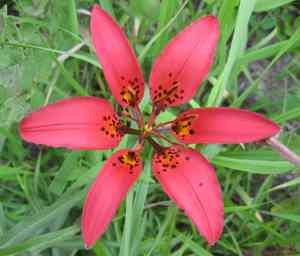
Wood lily provides a vivid splash of color, making it an ideal addition to any landscape. Its bright, bold blossoms stand out against typical green foliage, adding visual appeal and diversity. The brilliant orange-red petals of Wood lily can create a striking contrast in garden beds, borders, or as a solitary plant. Whether you have an expansive garden or a small urban plot, the dramatic look of Wood lily can elevate your space's aesthetic value.
Versatility: Flourishing in Diverse Settings
Wood lily is renowned for its remarkable adaptability. It can thrive in various soil types, from sandy to loamy, and tolerates different pH levels. This flexibility means you won't need to overly concern yourself with soil preparation. Furthermore, Wood lily can adjust to diverse climates, whether you reside in a humid or arid region, making it a dependable choice for gardeners across different zones. Its resilience to varying weather conditions ensures it can be a consistent feature in your landscape year after year.
Native Benefit: Supporting Local Ecosystems
Opting for native plants like Wood lily is advantageous not only for your garden but also for the local ecosystem. Native plants are well-suited to the local climate and soil conditions, requiring less water and upkeep. Additionally, Wood lily attracts local pollinators such as bees and butterflies, fostering biodiversity within your garden. By incorporating Wood lily, you establish a sanctuary for native wildlife and help maintain the ecological balance in your area.
Integrating Wood Lily into Garden Themes
Classic Garden Environments
If you appreciate the timeless allure of traditional gardens, Wood lily can be a perfect match. Its vibrant blooms can enhance classic flower beds, introducing a bold color accent to the serene and structured layouts typical of traditional designs. You can plant them alongside other perennials for a layered effect or use them as a border plant to more clearly define garden beds. Their height also makes them excellent for the back of the garden bed, offering a colorful backdrop for shorter plants.
Contemporary Landscape Designs
In modern garden designs, simplicity and striking contrasts often take precedence. Wood lily can serve as a focal point in minimalist landscapes, where its bold colors and structured form can create eye-catching features. Plant Wood lily in clusters among modern materials like stone or concrete to achieve a visually stunning effect. The bright petals of Wood lily can break up the monotony of a neutral palette, adding vibrancy without overcrowding the space.
Wildlife-Friendly Gardens
For those aiming to cultivate a wildlife-friendly garden, Wood lily is an excellent selection. Its flowers attract a wide array of pollinators, including bees, butterflies, and hummingbirds. By planting Wood lily, you can establish a habitat that supports these crucial creatures. Consider pairing Wood lily with other native plants to provide a continuous source of nectar and habitat. This approach not only creates a lively and dynamic garden space but also contributes to the preservation of local wildlife.
Strategic Placement of Wood Lily in Your Landscape
Sunlight and Shade: Maximizing Growth
Wood lily thrives best in full sunlight, but it can also endure partial shade. For optimal growth, select a location that receives at least 6 hours of direct sunlight daily. When choosing a spot, consider the sun's trajectory throughout the day and its impact on different areas of your garden. If you have a partially shaded garden, position Wood lily in the sunniest spots to ensure they receive sufficient light to produce their magnificent blooms.
Companion Plants for Wood Lily
Selecting appropriate companion plants for Wood lily can enhance your garden's overall health and beauty. Pair Wood lily with other plants that share similar sun and soil requirements. Good companions include coneflowers, black-eyed Susans, and lavender. These plants not only complement Wood lily's bright colors but also attract beneficial insects that aid in pollination and pest control. By planting compatible species together, you create a harmonious and flourishing garden.
Creating Focal Points with Wood Lily
Utilize Wood lily as a focal point in your landscape to draw attention and generate visual interest. Plant them in groupings to make a bold statement, or place them strategically at entrances and along pathways to guide the eye and create a welcoming ambiance. Their tall stature and vivid blooms can act as natural markers within your garden, providing structure and a sense of direction. When designing focal points, consider the surrounding plants and features to ensure Wood lily stands out beautifully.
Year-Round Appeal: Ensuring Seasonal Relevance
Spring and Summer Bloom
Wood lily reaches its peak during spring and summer, offering a dazzling display of vibrant flowers. Plant Wood lily in early spring to enjoy its blooms as the weather warms. The flowers often last several weeks, providing long-lasting color and visual appeal. Pair Wood lily with spring bulbs like tulips or daffodils for a continuous show of color from early spring into summer.
Fall and Winter Presence
Even though Wood lily is most striking during its blooming season, it can still contribute to your garden's charm in fall and winter. Its remaining foliage and seed pods add texture and interest to the garden landscape. Leaving the seed pods in place can provide food for birds during winter months, making your garden a year-round sanctuary for wildlife. By planning for all seasons, you ensure that your garden remains engaging and vibrant throughout the year.



