Enhancing Your Garden Design with the Easter lily Plant: A Landscaping Guide
1
Easter lily flourishes in soil that drains well and is mildly acidic to neutral.
2
Easter lily prefers sunlight conditions from partial shade to full sun.
3
When designing your garden, account for the Easter lily's flowering period and stature.
Appreciating the Visual Appeal of Easter Lily
Elegant Floral Display: The contribution of Easter lily's blossoms to garden aesthetics
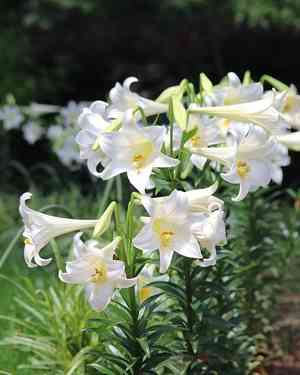
The most striking feature of the Easter lily is its magnificent floral presentation. Renowned for their sizable, trumpet-shaped flowers, Easter lilies lend an air of sophistication to any garden. Their pristine white blooms frequently symbolize purity and grace, making them a favored selection for both formal and informal settings. Whether you're aiming for a peaceful meditation space or a vibrant floral showcase, integrating Easter lilies can elevate the visual charm of your outdoor area.
Height and Structure: How the growth habit of Easter lily shapes landscape outlines
Easter lily exhibits a distinctive growth pattern that can significantly influence the structural dynamics of your garden. Reaching heights of up to three feet, these plants can serve as excellent focal points or be utilized to introduce vertical interest into garden beds. Their tall, slender stalks support the large, showy flowers, creating a graceful upward movement that can complement shorter, bushier plants. This variation in height can add layers and depth to your landscaping scheme.
Selecting the Ideal Location for Easter Lily
Sunlight Requirements: Optimal light exposure for the health and vibrancy of Easter lily
For Easter lily to flourish, it's essential to choose the correct spot in your garden. These plants require ample sunlight to achieve their full blooming potential. Aim for a location that receives at least 6 hours of direct sunlight daily. However, in extremely hot climates, some afternoon shade can protect them from intense heat, preventing the flowers from wilting prematurely.
Soil Preferences: Understanding the soil type that best supports Easter lily's development
Soil quality can determine the success or failure of growing Easter lily. These plants prefer well-drained, sandy or loamy soils. They thrive in soil that is slightly acidic to neutral (pH 6.0-7.0). To provide the best environment, consider enriching your garden soil with compost or organic matter to enhance drainage and nutrient content. Avoid heavy clay soils as they tend to retain too much moisture, which can lead to bulb rot.
Integrating Easter Lily with Other Plants
Complementary Plantings: Plants that thrive alongside Easter lily and create harmonious visuals
When designing your garden, it's important to consider which plants will complement Easter lily. Perennials like hostas, ferns, and low-growing ground covers pair well with Easter lily. Select plants with varied blooming times to ensure your garden maintains continuous visual appeal. The key is to combine Easter lily with plants that possess different textures and heights to create a layered, unified look.
Avoiding Plant Clashes: What to watch for when positioning Easter lily near other species
While Easter lily can coexist peacefully with many plants, there are some combinations to avoid. Refrain from planting Easter lily too close to aggressive ground covers or plants with invasive root systems, as these can compete for nutrients and space. Also, be mindful of the color palette; pairing Easter lily with plants that have complementary colors can enhance the overall beauty, while clashes can be visually jarring.
Seasonal Considerations for Easter Lily in Landscapes
Bloom Timing: When does Easter lily typically flourish and how it fits into the annual garden cycle
Knowing the bloom period of Easter lily can help you plan your garden layout more effectively. Typically, Easter lily blooms from late spring to early summer. This timeframe integrates well into the garden cycle, offering a burst of color after the early spring bulbs have faded and before the full summer blooms emerge. Including Easter lily in your garden ensures there is always something in bloom to enjoy.
Preparing for Dormancy: Steps to ensure Easter lily returns after its rest period
After the flowering period, Easter lily enters a dormant phase. To ensure their return next year, you'll need to take a few preparatory steps. Allow the foliage to naturally die back, as this process helps replenish the bulbs' energy. Avoid excessive watering during dormancy to prevent rot. Mulching can offer additional protection during winter, especially in colder climates.
Maintaining Elemental Harmony with Easter Lily
Wind and Water: Protecting Easter lily from environmental stressors
Nature can be harsh on garden plants, but with some precautions, you can safeguard your Easter lily from the elements. Planting in a sheltered spot can shield them from strong winds that might break their delicate stems. Regarding water, while Easter lily requires regular watering during the growing season, ensuring proper drainage is crucial to prevent waterlogging. Using mulch can help retain moisture and keep roots cool and healthy.
Incorporating Elements like Stones or Water Features: Enhancing Easter lily's surroundings aesthetically and practically
To further enhance the beauty of your Easter lily, consider integrating elements like stones or water features into your landscape. Stone pathways or borders can accentuate the elegance of Easter lily's blooms while adding a rustic charm. Water features like small fountains or ponds can create a serene backdrop, providing a soothing sound that complements the visual appeal. These elements not only beautify the space but also create a balanced, tranquil environment.



