Enhancing Your Garden Design with the Wild privet Plant: A Landscaping Guide
1
Wild privet provides continuous aesthetic appeal through its notable leaves and seasonal hue shifts.
2
When appropriately placed, Wild privet can form organic privacy barriers and mitigate wind and sound.
3
Consistent upkeep of Wild privet guarantees its best development and reduces typical garden problems.
Exploring the Visual Appeal of Wild Privet
Grasping the Aesthetic Impact of Wild Privet
For landscape design, Wild Privet stands out as a superb option for enhancing your garden's visual charm. Its thick, dark green foliage offers a rich backdrop, accentuating the beauty of nearby plants. Whether utilized as a solitary specimen or as a hedge, Wild Privet introduces structure and sophistication to any garden layout. Its capacity to maintain a neat appearance with minimal trimming makes it a favored choice among gardeners.
Yearly Transformations and Color Shifts in Wild Privet
A notable characteristic of Wild Privet is its capacity for seasonal color changes. In spring, the plant displays fresh, light green leaves that gradually mature into a deep, dark green. By autumn, Wild Privet can surprise with a spectrum of hues including yellow, green, and even hints of purple, adding a dynamic element to your garden scene. This seasonal adaptability makes Wild Privet a captivating addition to your landscape.
How Wild Privet's Texture Enhances Garden Outlines
Texture is a vital, often overlooked, aspect of landscaping. With Wild Privet, you gain a plant with a fine texture that beautifully contrasts with larger, coarser plants. This contrast can create a layered effect in your garden, adding depth and visual interest. The small, elongated leaves of Wild Privet can soften harsh lines and provide a more inviting atmosphere, making it an excellent choice for defining garden edges or pathways.
Incorporating Wild Privet with Other Flora
Companion Planting Concepts for Wild Privet
Pairing Wild Privet with complementary plants can elevate its beauty and the overall garden aesthetic. Consider planting it alongside flowering shrubs like roses or hydrangeas, which can offer a burst of color against Wild Privet's dark green foliage. Additionally, it harmonizes well with grasses and perennials, forming a cohesive blend of textures and colors that can make your garden appear more unified.
Crafting Harmonious Color Palettes
Achieving a balanced color scheme in your garden is simpler with Wild Privet as a central element. Its neutral green makes it a versatile match for many colors. For a tranquil look, combine Wild Privet with white and pastel-colored flowers. For a more vibrant garden, consider pairing it with bright red, yellow, or purple plants. The consistent green of Wild Privet also helps connect different parts of your garden, creating a unified visual theme.
Balancing Plant Heights and Textures
Effective garden design incorporates varied plant heights and textures to create visual interest. Wild Privet can be used to add height without overwhelming surrounding plants. It works well in the middle layer of a garden, with taller trees behind it and shorter ground cover in front. This tiered approach not only looks appealing but also helps manage light and space efficiently, ensuring each plant thrives.
Practical Advantages of Including Wild Privet in Landscapes
Boosting Privacy with Strategic Placement of Wild Privet
Privacy is a primary concern for many gardeners, and Wild Privet offers a natural solution. By planting Wild Privet along property boundaries or around patios, you can create a lush, green screen that not only looks beautiful but also shields you from curious glances. Its dense foliage makes it an effective barrier, and with proper care, it maintains a healthy, full appearance year-round.
Utilizing Wild Privet for Wind and Sound Reduction
Beyond enhancing privacy, Wild Privet can also serve as a buffer against wind and noise. When planted in rows, it forms a thick hedge that can decrease wind speed and lessen the sound from nearby roads or neighbors. This dual protection makes your outdoor space more comfortable and enjoyable, allowing you to fully appreciate your garden's tranquility.
Considerations for Wildlife – Attracting Birds and Bees
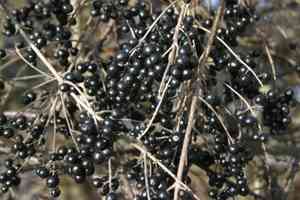
Gardens that support local wildlife are not only ecologically beneficial but also more vibrant. Wild Privet can provide habitat and food for birds and bees, making it a valuable addition to any garden. The flowers of Wild Privet attract pollinators, while its berries offer sustenance for birds. By planting Wild Privet, you're creating a small ecosystem that supports biodiversity and enriches your garden experience.
Maintenance Advice for Wild Privet in Your Garden
Fundamental Trimming and Pruning Guidelines
Maintaining Wild Privet is relatively straightforward, making it an excellent choice for beginner gardeners. Regular trimming helps keep the plant in shape and encourages healthy growth. It's best to prune Wild Privet in late winter or early spring before new growth begins. Remove any dead or diseased branches and thin out dense areas to allow air circulation. This practice not only keeps Wild Privet looking tidy but also prevents common plant issues.
Seasonal Care for Optimal Growth
Each season brings its own set of care requirements for Wild Privet. In spring, focus on feeding the plant with a balanced fertilizer to support new growth. Summer requires consistent watering, especially during dry spells. In fall, add mulch to the base of the plant to protect it during winter. Consistent seasonal care ensures Wild Privet remains healthy and robust, making it a long-lasting feature in your garden.
Common Problems and Their Solutions
Even the most resilient plants can encounter issues, and Wild Privet is no exception. Common problems include leaf spot, powdery mildew, and pest infestations. Regular inspection can help catch these issues early. Neem oil is a natural remedy for many pests, while fungicides can address mildew. Ensuring good air circulation and avoiding overhead watering can prevent many fungal issues, keeping your Wild Privet in top shape.



