Enhancing Your Garden Design with the Chinese privet Plant: A Landscaping Guide
1
The Chinese privet is recognized for its swift development and thick leaf cover, making it a superb option for creating privacy screens.
2
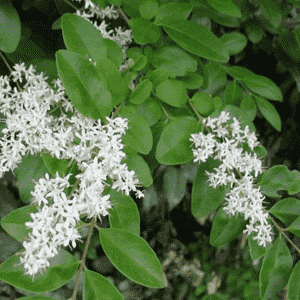
Chinese privet offers visual appeal throughout the year with its shiny green leaves and white blossoms.
3
Consistent trimming is crucial to control the Chinese privet's expansion and stop it from spreading aggressively.
Understanding the Role of Chinese Privet in Landscaping
Why Consider Chinese Privet for Your Garden?
Chinese privet offers numerous advantages for your garden's appearance. Firstly, its quick development makes it perfect for establishing immediate privacy screens or hedges. Unlike some plants that require years to mature, Chinese privet grows relatively fast, providing instant results for those aiming to improve their garden's look and seclusion. Furthermore, Chinese privet adapts well to various soil types and environmental conditions, making it a versatile addition to any garden. Its hardiness means it can flourish where other plants might struggle, offering lush greenery even in less-than-ideal environments.
The Aesthetic Appeal of Chinese Privet
A primary reason gardeners choose Chinese privet is its visual charm. The plant features small, oval leaves that retain a rich green color throughout the active growing period, contributing to a fresh and vibrant look in the garden. During its flowering phase, Chinese privet produces clusters of tiny, fragrant white blossoms, which can add an elegant touch. This dual seasonal interest – foliage in spring and summer and flowers at the season's peak – ensures Chinese privet can be a visually appealing focal point in your landscape design. Its dense foliage also makes it ideal for creating structured, formal garden shapes like topiaries or clipped hedges.
Ecological Impact: Benefits and Concerns
While Chinese privet provides many benefits, it's crucial to consider its environmental effects. Positively, Chinese privet can offer shelter and food for various bird species, boosting biodiversity in your garden. However, Chinese privet is also recognized as an invasive species in certain areas, particularly in parts of the southeastern United States. This invasive characteristic means it can outcompete native plants, potentially disrupting local ecosystems. Gardeners should be mindful of managing its growth and consulting local guidelines to ensure responsible planting. Proper management and regular trimming can alleviate these concerns, allowing Chinese privet to be enjoyed without negative ecological repercussions.
Incorporating Chinese Privet into Your Garden Design
Choosing the Right Location for Chinese Privet
Selecting the appropriate site for Chinese privet is vital for its success in your garden. Given its preference for well-drained soils and full to partial sunlight, place Chinese privet in areas where it can receive ample sunlight for most of the day. It can tolerate a range of soil types, but ensuring good drainage will help prevent root rot and other issues. Consider positioning Chinese privet where you need a visual barrier or windbreak, such as along property boundaries or around patios and pool areas. Its robust nature means it will thrive in various settings while providing the structure and privacy many gardeners desire.
Companion Plants and Chinese Privet: Creating Harmony
When planning your garden, consider pairing Chinese privet with suitable companion plants to create a balanced landscape. Plants that thrive in similar soil and light conditions, such as hydrangeas, hostas, and ferns, can beautifully complement Chinese privet. These companions can help highlight Chinese privet's glossy foliage and delicate flowers while adding their own unique textures and colors to your garden. Additionally, using a mix of perennials and annuals around Chinese privet can ensure a dynamic and continuously blooming garden throughout the seasons. The key is to choose plants that will not excessively compete for nutrients and space but rather enhance the overall aesthetic.
Design Tips for Integrating Chinese Privet Effectively
To effectively incorporate Chinese privet into your garden design, use it strategically to create focal points, borders, or structured hedging. For a natural look, allow Chinese privet to grow in more relaxed, informal shapes, which can soften hardscapes like fences and walls. For a more formal design, regularly trim Chinese privet into neat hedges or topiaries. Consider layering different heights and textures of plants around Chinese privet to build visual depth. For instance, plant shorter perennials or groundcovers at the base to create a gradual transition from the dense foliage of Chinese privet to the lower layers of planting. This approach not only enhances aesthetics but also maximizes the use of space in your garden.
Managing Chinese Privet Growth: Ensuring Sustainable Landscaping
Pruning Techniques for Healthy Chinese Privet Plants
Consistent pruning is crucial for maintaining the health and form of Chinese privet. Start by removing any dead or diseased branches, which helps prevent the spread of pests and diseases. Next, thin out the inner branches to improve air circulation, which reduces the likelihood of fungal growth. When shaping Chinese privet, trim it back to the desired height and width, making clean cuts just above leaf nodes to encourage healthy new growth. For hedges, frequent trimming will maintain a neat appearance, while occasional deeper cuts can rejuvenate older plants and promote more vigorous foliage.
Controlling Overgrowth: Effective Strategies
Given Chinese privet's rapid growth rate, managing overgrowth is vital to prevent it from becoming a garden or ecological nuisance. One effective strategy is consistent trimming throughout the growing season, which keeps the plant at a manageable size and shape. Additionally, consider root barriers if you're planting Chinese privet near foundations or pathways, as this will help contain its spread. Monitoring for unwanted seedlings is important, as Chinese privet can readily self-seed and spread. Removing these seedlings promptly will help control its expansion and maintain the intended layout of your garden.
Long-term Maintenance and Care Tips
For lasting success, establish a regular maintenance routine for your Chinese privet plants. This includes seasonal pruning, monitoring for pests, and occasional fertilizing to maintain soil fertility. Mulching around the base of Chinese privet can help retain moisture, suppress weeds, and promote root health. Ensure that you water newly planted Chinese privet regularly until established, and provide supplemental water during prolonged dry spells. By adhering to these care tips, you can enjoy the benefits of Chinese privet in your garden for many years while keeping its growth in check and maintaining an attractive landscape.



