Enhancing Your Garden Design with the Dotted Gayfeather Plant: A Landscaping Guide
1
Dotted Gayfeather is an easy-to-care-for, environmentally friendly plant ideal for contemporary garden designs.
2
Adding Dotted Gayfeather can establish striking central features and aesthetic appeal in your outdoor space.
3
Thorough site preparation and attentive care are essential for Dotted Gayfeather to thrive.
Introducing Dotted Gayfeather to Contemporary Garden Design
An overview of Dotted Gayfeather and its distinct garden presence
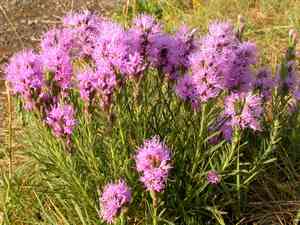
The allure of Dotted Gayfeather stems from its unique shape and texture, which can impart a special character to any outdoor space. Known for its tall, spiky flower clusters and slender, grass-like leaves, Dotted Gayfeather offers an elegant yet untamed look. Its blossoms, typically a vibrant purple, open from the top downwards, creating a visually engaging layered effect. This perennial's hardiness and sustained seasonal appeal make it a favored option for gardeners aiming to enhance their landscape with minimal effort.
Current trends in using Dotted Gayfeather in landscape architecture
Recently, Dotted Gayfeather has gained traction in modern landscape design due to its adaptability and resilience. Many designers are choosing this plant for its capacity to flourish in diverse soil conditions and its modest water needs. By incorporating Dotted Gayfeather, gardens can achieve a blend of modern aesthetics and natural charm, aligning well with the increasing demand for sustainable and eco-conscious garden plans. Moreover, the plant's distinct texture and vivid hues add a dynamic element to mixed perennial borders, rockeries, and prairie-style plantings.
Advantages of Incorporating Dotted Gayfeather into Your Garden
Effortless upkeep: Benefits of including resilient flora
A key benefit of Dotted Gayfeather is its minimal care requirements. This robust plant needs little attention once rooted, making it an excellent choice for busy gardeners or those new to horticulture. Dotted Gayfeather is drought-tolerant and can endure poor soil, reducing the need for frequent watering and fertilization. Its resistance to pests and diseases further enhances its appeal as a hassle-free addition to any garden, ensuring it remains attractive with minimal intervention.
Environmentally friendly option: How Dotted Gayfeather supports local wildlife
Dotted Gayfeather is more than just an attractive plant; it also plays a crucial role in supporting local ecosystems. Its flowers attract a wide array of pollinators, including bees, butterflies, and other beneficial insects. By integrating Dotted Gayfeather into your garden, you contribute to the health of these pollinator populations, which are essential for the reproduction of many plants. Additionally, the plant offers shelter and food for various species, fostering biodiversity and a balanced garden environment.
Aesthetic value: Boosting visual appeal across seasons
A well-designed garden thrives on visual interest throughout the year, and Dotted Gayfeather excels at providing continuous appeal. In summer and early autumn, its vibrant flower spikes capture attention and create striking vertical accents. Even in winter, Dotted Gayfeather retains its structure, with its dried flower heads adding texture and interest against a snowy or frosty backdrop. The seasonal variations in color and form ensure that Dotted Gayfeather consistently enhances the garden's beauty and offers something new to appreciate each season.
Design Concepts Featuring Dotted Gayfeather
Establishing focal points with Dotted Gayfeather
Utilizing Dotted Gayfeather as a central element in your garden design can create significant visual impact. Planting groups of Dotted Gayfeather in key areas, such as at the end of a garden path or in the middle of a flower bed, draws the eye and establishes a sense of order. You can also use Dotted Gayfeather to highlight other architectural features in your landscape, like a garden sculpture or a water feature, ensuring these elements are emphasized by the plant's striking form and color.
Pairing Dotted Gayfeather with complementary plants
To maximize your garden's beauty, consider combining Dotted Gayfeather with other plants that complement its features. Plants with contrasting textures, such as ornamental grasses or broad-leaf perennials, can enhance Dotted Gayfeather's delicate foliage and tall flower spikes. Additionally, selecting plants with different bloom times ensures continuous color and interest. For example, pairing Dotted Gayfeather with spring bulbs or autumn-flowering perennials can extend the display of floral beauty across the seasons, creating a vibrant and dynamic garden all year long.
Seasonal changes and Dotted Gayfeather
Adjust your garden design to the seasons by leveraging Dotted Gayfeather's unique characteristics. In spring, its emerging shoots provide fresh greenery and the promise of future blooms. Summer and early autumn showcase Dotted Gayfeather in its full splendor, with its vibrant flower spikes offering a vertical element that stands out in mixed borders. Even in winter, the plant's dried inflorescences provide structure and interest, especially when combined with evergreen shrubs or grasses, ensuring your garden maintains its appeal even during colder months.
Implementation Advice for Dotted Gayfeather in Landscaping
Choosing the optimal site for Dotted Gayfeather
Selecting the ideal location for planting Dotted Gayfeather is vital for its prosperity. This plant thrives in full sun, so pick a garden area that receives at least six hours of sunlight daily. Furthermore, ensure the soil is well-drained, as Dotted Gayfeather does not tolerate waterlogged conditions. Sandy or rocky soils are particularly suitable, but it adapts to various soil types, provided drainage is adequate. Positioning Dotted Gayfeather in a spot with good air circulation helps prevent fungal diseases and promotes healthy growth.
Preparing the ground for Dotted Gayfeather planting
Thorough site preparation is essential for establishing Dotted Gayfeather in your garden. Begin by clearing any weeds or debris from the planting area and loosening the soil to a depth of approximately 12 inches. If your soil is heavy or clay-like, consider amending it with organic matter or coarse sand to improve drainage. When planting, space the individuals about 12 to 18 inches apart to allow for sufficient air circulation and future growth. Water the plants thoroughly after planting to help them settle in and establish their root systems.
Ongoing care and seasonal management strategies
While Dotted Gayfeather is low-maintenance, some seasonal care helps it flourish. Water newly planted Dotted Gayfeather regularly until established; thereafter, they require minimal watering, primarily during extended dry periods. In late fall, cut back the dead foliage to ground level to prepare for new growth in the spring. Applying a light mulch layer can help retain moisture and suppress weeds. Monitor for pests and diseases, and address any issues promptly to maintain the health and beauty of Dotted Gayfeather in your garden.



