Enhancing Your Garden Design with the Oxeye daisy Plant: A Landscaping Guide
1
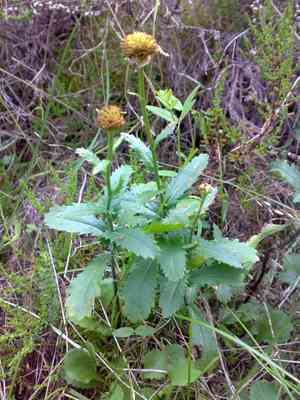
The Oxeye daisy is an environmentally beneficial plant, enhancing garden biodiversity.
2
Oxeye daisy is recognized for its bright, attractive flowers, capable of improving any garden aesthetic.
3
Correct positioning and care for Oxeye daisy will guarantee its flourishing across all seasons.
Introduction to Oxeye daisy in Landscaping
Understanding the Role of Oxeye daisy in Eco-Friendly Landscaping
Incorporating Oxeye daisy into your garden is an excellent way to embrace environmentally conscious landscaping. This robust plant not only adds beauty but also supports local wildlife. By planting Oxeye daisy, you can attract various beneficial pollinators like bees and butterflies, which are vital for a thriving garden ecosystem. Furthermore, Oxeye daisy is a low-maintenance plant requiring minimal water and care, making it perfect for sustainable gardening. Integrating Oxeye daisy into your landscape design helps reduce your environmental impact and fosters a flourishing, self-sustaining garden.
The Visual Appeal of Oxeye daisy: What Makes It Stand Out?
One of the main reasons Oxeye daisy is valued in landscaping is its distinct visual charm. Its pure white petals and bright yellow centers create a striking contrast against green foliage, making it a prominent feature in any garden. Additionally, the plant possesses a delightful simplicity that brings a touch of rustic elegance to both urban and suburban settings. The consistent structure of its flowers and its ability to bloom profusely create visually harmonious clusters, enhancing the garden's overall aesthetic. Moreover, Oxeye daisy's blossoms can remain vibrant throughout the summer, ensuring your landscape stays lively and colorful for an extended period.
Strategic Placement of Oxeye daisy in Garden Design
Choosing the Right Location for Oxeye daisy to Thrive
When it comes to planting Oxeye daisy, location is crucial. This plant flourishes best in full sun but can tolerate partial shade. It thrives in well-drained soils, so ensure your chosen spot doesn't have standing water, which could harm the roots. Consider planting Oxeye daisy in borders, meadows, or as part of a wildflower garden. Its height and structure make it ideal for providing a tall backdrop in garden beds or for adding vertical interest in mixed plantings. Proper placement not only highlights its beauty but also creates optimal conditions for its health and growth.
Complementary Plants for Oxeye daisy: Building a Cohesive Look
To create a unified and visually appealing garden, pair Oxeye daisy with plants that complement its appearance and cultural needs. Companions like lavender, coneflowers, and other wildflowers enhance the aesthetic appeal with their contrasting colors and textures. These plants also share similar sunlight and soil requirements, fostering a harmonious growing environment. Tall grasses can serve as a perfect backdrop, adding movement and a natural feel to your landscape. The simple elegance of Oxeye daisy combined with the diverse forms and colors of complementary plants creates a balanced, attractive garden design.
Seasonal Considerations for Oxeye daisy
Best Times of the Year to Plant Oxeye daisy
The ideal time to plant Oxeye daisy is during the cooler months of spring or autumn. Planting during these periods allows young plants to establish their root systems in mild weather before the extreme temperatures of summer or winter arrive. For those starting from seed, sowing can be done in early spring or late summer. Providing the right conditions during these times ensures the plants have the strength to face the coming seasons. Ensuring you plant Oxeye daisy at the correct time maximizes its chances of thriving and contributing robustly to your garden design.
How Oxeye daisy Transforms Through the Seasons
Oxeye daisy is a plant that offers dynamic visual interest throughout the year, changing with each season. In spring, fresh green foliage emerges, preparing to support the summer blooms. Summer brings an abundance of flowers, making it the peak season for visual impact. As autumn approaches, the blooms fade, but the foliage can remain vibrant until the first frost. During winter, Oxeye daisy may enter dormancy, its above-ground parts dying back, but rest assured, underground, the plant is conserving energy for a spring resurgence. Understanding this seasonal cycle helps in planning your garden's year-round aesthetics and maintenance schedule.
Maintenance Tips for Healthy Oxeye daisy in Landscapes
Basic Guidelines for Keeping Oxeye daisy Flourishing
Maintaining Oxeye daisy in your garden is relatively straightforward, making it an excellent choice for gardeners of all skill levels. Ensure it receives ample sunlight by placing it in a sunny spot. Regular watering during dry periods will keep the plants hydrated, but avoid overwatering to prevent root rot. Deadheading spent flowers encourages more blooming and maintains a neat appearance. Applying a layer of mulch around the base can help retain soil moisture and suppress weeds. By following these basic guidelines, you can keep Oxeye daisy flourishing and your garden looking vibrant.
Common Challenges When Growing Oxeye daisy and Solutions
While Oxeye daisy is generally easy to grow, it can face certain challenges such as aphid infestations or powdery mildew. Regular inspection allows for early detection and management of these issues. Neem oil or insecticidal soap can be effective against aphids, and proper spacing and watering practices prevent powdery mildew. Additionally, Oxeye daisy can sometimes spread aggressively in favorable conditions, so occasional thinning and division may be necessary to keep it in check. By addressing these common challenges promptly, you ensure that Oxeye daisy remains a healthy and controlled component of your landscape.
Wrapping Up: The Impact of Oxeye daisy on Landscape Quality
Summarizing the Aesthetic and Environmental Benefits of Oxeye daisy
In summary, Oxeye daisy not only enhances your garden's visual appeal with its charming flowers but also supports environmental health. Its role in attracting pollinators and promoting biodiversity makes it a valuable addition to eco-friendly gardens. With its low maintenance requirements and seasonal transformations, Oxeye daisy offers year-round interest and beauty, making it a versatile landscape element. The aesthetic and environmental benefits of this plant make it a worthy inclusion in any garden design, whether you're aiming for a rustic look or a more polished landscape.
Future Trends in Using Oxeye daisy in Outdoor Spaces
Looking ahead, the use of Oxeye daisy in landscaping is expected to grow, driven by increasing awareness of sustainable gardening practices. Future trends may include integrating Oxeye daisy into urban green spaces for its low maintenance needs and its ecological benefits. Designers might also explore new companion plant pairings or innovative layout designs to capitalize on Oxeye daisy's visual appeal. As gardeners and landscapers continue to prioritize biodiversity and aesthetic charm, Oxeye daisy is likely to remain a popular choice, celebrated for its resilience, beauty, and environmental contributions.



