Enhancing Your Garden Design with the Shasta daisy Plant: A Landscaping Guide
1
Shasta daisy flourishes in ample sunshine and soil that drains effectively.
2
Integrate Shasta daisy with other perennial plants to achieve impressive visual distinction and balance.
3
Consistent removal of spent blooms can prolong the flowering duration of Shasta daisy.
Introduction to the Role of Shasta daisy in Landscaping
Exploring the Visual Appeal Shasta daisy Adds to Garden Designs
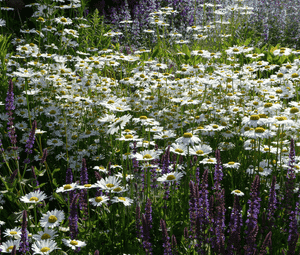
The aesthetic charm of Shasta daisy in garden layouts is undeniable. With its pristine white petals and vibrant yellow centers, Shasta daisy offers a striking focal point that can invigorate any outdoor space. These blossoms are not only attractive but also adaptable, seamlessly fitting into various garden styles such as cottage gardens, contemporary landscapes, and wild meadows. By integrating Shasta daisy into your garden, you can craft captivating displays that attract attention and admiration. Whether you're designing a new garden or enhancing an existing one, Shasta daisy brings a timeless beauty that enchants and inspires.
Understanding the Adaptive Nature of Shasta daisy for Various Landscape Styles
Shasta daisy is highly versatile, making it suitable for diverse landscape designs. Its capacity to flourish in different conditions allows gardeners to utilize it across a range of design contexts. From formal gardens with precise arrangements to informal settings with more naturalistic plantings, Shasta daisy integrates seamlessly. Its robust character means it can handle various soil types and endure moderate dry spells, further increasing its adaptability. Gardeners can employ Shasta daisy as a unifying element that connects disparate planting schemes, creating a cohesive and beautiful outdoor area.
Choosing the Perfect Location for Shasta daisy
Factors to Consider: Sunlight, Soil Type, and Surrounding Plants
Selecting the ideal spot for Shasta daisy involves several key considerations, including sun exposure, soil composition, and adjacent flora. Ideally, Shasta daisy should be positioned in full sunlight for at least six hours daily to ensure vigorous growth and abundant flowering. While Shasta daisy prefers well-drained soil, it adapts to various soil types as long as drainage is sufficient. Furthermore, consider nearby plants; companion plants that do not overshadow or compete too aggressively with Shasta daisy can ensure mutual growth benefits, enhancing your garden's overall aesthetics.
Evaluating the Best Spots in Your Garden for Aesthetic Balance
For achieving visual harmony, it's crucial to assess the prime locations in your garden where Shasta daisy can truly shine. Arranging them in clusters or allowing them to punctuate the garden with scattered placements can generate dynamic visual interest. Consider your garden's visual flow and how Shasta daisy can enhance key areas like paths, borders, or central focal points. Their bright blooms can serve as brilliant highlights against lush green foliage, making them excellent choices for garden areas needing a touch of vibrancy and charm.
Integrating Shasta daisy with Other Plants
Selecting Companion Plants that Complement the Look and Needs of Shasta daisy
Integrating Shasta daisy with other plants requires careful selection of companions that complement both their aesthetic appeal and cultivation requirements. Companion plants like lavender, coreopsis, and ornamental grasses can create stunning visual contrasts with Shasta daisy. These plants not only pair well visually but also share similar soil and sunlight needs, promoting healthier growth overall. By choosing the right companions, you can enhance the beauty of Shasta daisy and create a harmonious garden environment that thrives season after season.
Design Ideas for Creating Harmonious Plant Groupings
Creating harmonious plant groupings with Shasta daisy involves design strategies that blend colors, textures, and heights. Pair Shasta daisy with taller plants behind them and shorter species in front to achieve a layered effect. Consider plants with complementary or contrasting colors that will play off the bright whites of Shasta daisy. For instance, blue or purple blooms can provide a dramatic contrast, while soft yellows and pinks can create a more cohesive and subtle palette. Grouping plants with varying textures, such as feathery grasses or bold-leafed perennials, alongside Shasta daisy can add depth and visual intrigue to your landscape.
Seasonal Considerations for Shasta daisy
What to Expect from Shasta daisy through Changing Seasons
Understanding what to anticipate from Shasta daisy throughout various seasons can help you plan and maintain your garden more effectively. During spring and summer, Shasta daisy is in full bloom, offering a lush and vibrant display. As cooler weather approaches, the blossoms may begin to fade, but the green foliage can continue to contribute to the garden's overall appearance. In winter, cutting back dead stems can prepare the plants for the next growing season. By recognizing these seasonal shifts, you can enjoy the full lifecycle of Shasta daisy and maintain its health and beauty.
Tips for Maintaining the Visual Impact of Shasta daisy Year-Round
Maintaining the visual impact of Shasta daisy year-round involves several key practices. Regular deadheading â removing spent flowers â can encourage additional blooms and keep the plants looking neat. Mulching around the plants can conserve soil moisture and suppress weeds, helping Shasta daisy thrive throughout the growing season. In colder regions, a layer of mulch can also protect the roots during winter. Additionally, spacing out plantings and rotating crops can prevent disease and pest buildup, ensuring that your Shasta daisy continues to be a vibrant part of your garden landscape year after year.
The Long-Term Benefits of Including Shasta daisy in Your Landscape
How Shasta daisy Contributes to a Sustainable and Dynamic Garden Environment
Incorporating Shasta daisy into your landscape offers long-term advantages that contribute to a sustainable and dynamic garden environment. Shasta daisy is a perennial plant, returning annually with its cheerful blooms, which helps reduce the need for frequent replacements and lowers maintenance demands. Additionally, their appeal to pollinators like bees and butterflies promotes biodiversity in your garden. By choosing Shasta daisy, you are not only enhancing the aesthetic appeal of your landscape but also supporting the ecological health and sustainability of your garden.
Enhancing Property Value through Strategic Landscaping Choices
Strategic landscaping choices, such as including Shasta daisy, can significantly enhance your property value. Well-designed gardens that incorporate a variety of plants like Shasta daisy create a visually appealing and inviting outdoor space. This not only makes your home more enjoyable to live in but also more attractive to potential buyers. A thoughtfully landscaped garden with perennials like Shasta daisy can boost curb appeal and add to the overall value of your property. By investing in quality landscaping, you contribute to a beautiful and functional outdoor environment that pays off in the long run.



