Enhancing Your Garden Design with the Silver squill Plant: A Landscaping Guide
1
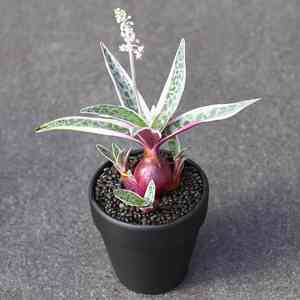
Silver squill stands out due to its unique patterns and small stature, making it ideal for special garden elements.
2
Integrating Silver squill alongside other flora can produce striking visual differences and focal points.
3
Knowing Silver squill's seasonal patterns allows for adapting your landscape plans to maintain attractiveness throughout the year.
Introduction: The Distinctive Charm of Silver Squill
A concise overview of Silver squill's visual attributes
Silver squill is an engaging plant recognized for its lovely, speckled foliage and compact, bulb-like structure. Its leaves display striking silver and green patterns, often with purple undersides, lending it a unique and captivating look. This plant's capacity to add texture and visual interest through its characteristics makes it perfect for those seeking to introduce a special element to their garden or outdoor space.
The significance of uncommon plants in contemporary landscape design
In modern landscaping, distinctive plants like Silver squill are crucial for crafting personalized and visually appealing garden areas. Incorporating unusual and visually striking plants helps to break uniformity and adds character to the landscape. By choosing unique plants, gardeners can express their individuality and design gardens that stand out. Silver squill offers an excellent talking point and diversifies plant selection, enhancing overall aesthetic appeal.
Integrating Silver Squill into Your Garden Layout
Choosing the ideal spot for Silver squill in your garden
Selecting the correct placement for Silver squill is vital for its growth and visual impact. This plant prefers well-drained soil and partial shade, though it can endure some direct sunlight. Position Silver squill where its unique foliage can be easily admired, such as along garden paths or near seating areas. The perfect spot should offer protection from harsh weather while still providing sufficient light for the plant to flourish.
Pairing Silver squill with other plants for visual appeal
To create a visually compelling garden arrangement, combine Silver squill with plants that complement its features. Pair Silver squill with plants that have contrasting textures, colors, and heights to create a dynamic and engaging display. For instance, combining Silver squill with tall, slender grasses or colorful flowering plants can emphasize its unique foliage and boost the garden's overall visual interest. Mixing Silver squill with succulents or other low-maintenance plants can also result in a harmonious and attractive design.
Tips for establishing focal points using Silver squill
Silver squill can be effectively utilized to create focal points within your landscape. Place it in prominent positions, such as the center of a garden bed or at the entrance of a pathway, to draw attention and create a visually pleasing centerpiece. When using Silver squill as a focal point, consider planting it in groups or clusters to amplify its impact. Additionally, using decorative pots or containers can elevate its visual appeal and make Silver squill a standout feature in your landscape design.
Seasonal Considerations for Silver Squill in Landscapes
Understanding the seasonal growth patterns of Silver squill
Grasping the seasonal growth cycles of Silver squill is essential for maintaining its health and maximizing its visual appeal throughout the year. Silver squill typically experiences active growth during warmer months and may enter a dormant phase during cooler months. Recognizing this cycle allows gardeners to plan their landscape designs accordingly, ensuring that Silver squill remains a prominent and attractive feature in different seasons.
Adapting landscape designs based on Silver squill's seasonal behavior
Adjust your landscape design to accommodate the seasonal changes in Silver squill. During its active growth period, ensure that Silver squill receives adequate water and nutrients to support its development. In cooler months, reduce watering and provide protection from frost if necessary. By adapting your landscape design to the seasonal needs of Silver squill, you can maintain a consistent and appealing garden throughout the year, maximizing the plant's visual contribution to your outdoor space.
Maintenance Advice for Silver Squill in Landscape Settings
Basic care requirements for outdoor Silver squill
Silver squill is relatively low-maintenance, making it a suitable choice for both novice and experienced gardeners. Basic upkeep includes regular watering during the growing season, ensuring that the soil remains moist but not waterlogged. Periodic pruning of dead or damaged leaves helps maintain the plant's appearance and promotes healthy growth. Fertilize Silver squill sparingly with a balanced, water-soluble fertilizer to provide essential nutrients without overloading the soil.
How to safeguard Silver squill during harsh weather conditions
Protecting Silver squill during adverse weather conditions is essential to ensure its longevity and health. In regions with harsh winters, Silver squill may need to be brought indoors or covered with protective materials to shield it from frost. During extreme heat, provide shade and additional watering to prevent the plant from drying out. By taking these precautionary measures, you can safeguard Silver squill and maintain its visual appeal in your garden.
Inspiration: Creative Applications of Silver Squill in Landscaping
Showcasing actual examples of Silver squill in landscape design
Real-life examples of Silver squill in landscape design demonstrate its versatility and aesthetic potential. From contemporary minimalist gardens to lush tropical landscapes, Silver squill has been used to create a wide range of stunning garden designs. Photographs of successful implementations can provide inspiration and guide gardeners in incorporating Silver squill into their own landscapes, showcasing its ability to enhance various garden styles.
Innovative design concepts featuring Silver squill
Innovative design ideas featuring Silver squill include using it in rock gardens, terrariums, and vertical wall planters. These creative applications highlight the plant's adaptability and unique appearance, making it a focal point in diverse settings. Experiment with different planting arrangements and combinations to discover new ways of integrating Silver squill into your landscape, enhancing the overall visual impact and creating a personalized, eye-catching garden.



