Enhancing Your Garden Design with the Topped lavender Plant: A Landscaping Guide
1
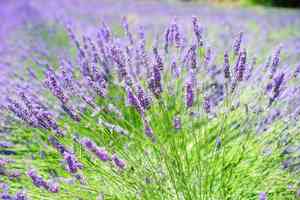
Topped lavender is recognized for its vivid colors and pleasant scent, making it a beloved choice for gardeners.
2
The ideal period to plant Topped lavender is during spring or early summer to ensure the best development.
3
Topped lavender complements other plants that tolerate dry conditions, enhancing both the look and smell of your garden.
Introducing Topped Lavender in Garden Design
Why Topped lavender is a favored option for gardeners and landscape artists
Topped lavender has become a cherished element in garden layouts due to its many appealing qualities. Its robust nature makes it simple to cultivate and care for, even for beginners. Furthermore, its striking look and the pleasant scent it brings to garden areas make it a highly sought-after choice for improving garden beauty. Gardeners value its adaptability, as Topped lavender can serve various purposes, from central features to borders or even as accents in mixed plantings.
Brief overview of Topped lavender's visual and aromatic characteristics
Topped lavender is distinguished by its vivid purple blossoms and fragrant foliage, which emits a calming aroma when touched. These plants possess a distinct 'topped' appearance, with prominent bracts that sit atop their flower heads, adding a unique and captivating element to the garden. This blend of visual appeal and fragrance makes Topped lavender a versatile addition to any landscape scheme.
Integrating Topped Lavender into Your Garden Plan
Designing with color: Utilizing Topped lavender's vibrant hues to create focal points
Topped lavender's intense purple flowers can be strategically positioned to attract attention and establish focal points in your garden arrangement. Whether planted in large groups or smaller clusters, its rich color adds a dramatic touch that can be used to highlight key sections of your garden. Combining Topped lavender with contrasting or complementary plants can further enhance its visual impact, creating a dynamic and engaging landscape.
Structural planting: How to use Topped lavender for edging and low hedges
An effective method to incorporate Topped lavender into your garden is by using it as a structural plant for borders and low hedges. Its dense growth habit and moderate height make it ideal for creating neat, defined edges along paths, beds, and garden boundaries. As it matures, Topped lavender forms a natural barrier, reducing the need for artificial fencing and providing organic charm to garden spaces.
Creating fragrant zones: The advantages of Topped lavender's aroma in garden areas
The delightful fragrance of Topped lavender can transform ordinary garden spots into pleasant aromatic environments. Planting Topped lavender near seating areas, patios, or walkways allows you to enjoy its soothing scent as you relax or wander through your garden. The natural aroma can also act as a mild pest deterrent, improving the overall health and enjoyment of your garden.
Seasonal Considerations for Topped Lavender
Choosing the optimal planting periods for best growth
For the best growth outcomes, it's crucial to plant Topped lavender during the most suitable times of the year. Spring and early summer are the ideal planting seasons, as they provide Topped lavender with the appropriate conditions to establish roots before the arrival of extreme weather. Planting during these periods ensures that Topped lavender will flourish and produce its characteristic vibrant blooms.
Seasonal care advice to maintain Topped lavender's health and appearance
Maintaining the health and beauty of Topped lavender throughout the year requires a few seasonal care routines. In the spring, prune established plants to encourage bushier growth and remove any leggy or damaged stems. During the hot summer months, ensure they receive sufficient watering without waterlogging the roots. In colder climates, providing some protection against frost will help keep Topped lavender healthy through the winter.
Companion Planting: What Thrives with Topped Lavender
Selecting companion plants for visual harmony and balanced growth
Choosing the right companion plants for Topped lavender can enhance your garden's overall visual harmony and ecological balance. Plants such as rosemary, sage, and thyme share similar growing conditions and complement Topped lavender's aesthetic with their varied textures and colors. These combinations can create a cohesive and charming Mediterranean-inspired garden that thrives on minimal water and care.
Avoiding common planting errors with Topped lavender
To avoid common planting mistakes with Topped lavender, it's essential to ensure proper spacing and avoid overly wet or poorly draining soil. Crowding Topped lavender can lead to unhealthy growth and increased susceptibility to disease. Adequate air circulation and a well-drained planting site are paramount for keeping Topped lavender healthy and vigorous throughout the growing season.
Maintaining Topped Lavender in Your Landscape
Regular inspections and simple upkeep tips
Routine maintenance for Topped lavender includes regular pruning, watering, and monitoring for any signs of pests or disease. Pruning after the main flowering period encourages a second bloom and prevents the plant from becoming leggy. Ensure that Topped lavender gets consistent, moderate watering, especially during dry periods, to maintain its lush appearance and health.
Addressing common problems: Advice for troubleshooting
Common issues with Topped lavender include poor drainage, which can lead to root rot, and over-fertilization, which may inhibit flowering. If you notice yellowing leaves or stunted growth, check the soil and watering schedule first. Implementing a mulch layer can help regulate soil moisture levels, and using a balanced, low-nitrogen fertilizer will promote strong, healthy blooms.



