Enhancing Your Garden Design with the Spike lavender Plant: A Landscaping Guide
1
Spike lavender introduces both aesthetic appeal and tactile diversity to any garden environment.
2
It serves as a superb option for contemporary and water-wise garden designs.
3
The fragrant properties of Spike lavender enhance individual wellness and draw in beneficial insects.
Exploring the Distinctive Characteristics of Spike Lavender
Visual appeal: Color and texture aspects
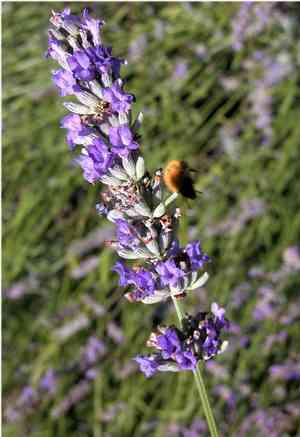
Spike lavender offers a unique aesthetic to garden areas with its lovely purple hues and silvery-green leaves. The soft, velvety feel of its foliage provides a pleasing contrast with other garden plants, making it a prominent element in any design. Beyond its vivid color, Spike lavender's dense flower clusters create an engaging texture that enhances the overall beauty of the landscape.
Height and spread: Spatial considerations in gardening
When designing your garden layout, it's crucial to account for Spike lavender's size. This plant typically grows to about 2-3 feet in both height and width, making it suitable for borders or as a central feature. Understanding its space requirements allows you to integrate Spike lavender effectively without crowding other plants, ensuring a balanced and harmonious garden.
Seasonal changes: How Spike lavender transforms through the seasons
Spike lavender provides a dynamic display throughout the year, with blooms typically appearing from late spring to summer. During these months, its vibrant purple flowers can completely revitalize your garden. In autumn and winter, the foliage persists, offering a subtle yet enduring presence that maintains visual interest even when other plants are dormant.
Integrating Spike Lavender into Various Landscape Styles
Traditional garden settings: Enhancing classic designs
For those aiming for a traditional garden aesthetic, Spike lavender can be an ideal addition to your landscape. Its timeless charm, combined with its classic color palette, complements roses, peonies, and other traditional plants. Pairing Spike lavender with neatly trimmed hedges, stone paths, and classic garden ornaments creates an elegant and unified design.
Modern landscapes: Spike lavender's role in contemporary spaces
Spike lavender isn't limited to traditional designs; it also integrates well into modern landscapes. The plant's clean lines and symmetrical form make it an excellent choice for contemporary gardens. Utilize it to border minimalist walkways or to define areas around outdoor living spaces. Its simple yet striking appearance helps achieve a sleek and sophisticated look.
Xeriscaping: Utilizing Spike lavender in drought-resistant gardening
For individuals in arid regions, Spike lavender is a superb option for xeriscaping. Its drought tolerance and minimal water needs make it a valuable asset in water-wise landscaping. Combine Spike lavender with other drought-resistant plants like succulents and ornamental grasses to create a sustainable and appealing garden that conserves water.
Practical Advice for Planting and Arranging Spike Lavender
Choosing the right location: Sunlight and soil requirements
Spike lavender thrives in sunny spots with well-draining soil. Ensure it receives at least 6-8 hours of direct sunlight daily for optimal growth. Proper soil drainage is vital, as Spike lavender does not fare well in waterlogged conditions. Incorporating sand or gravel into the soil can improve drainage and create an ideal growing environment for this plant.
Grouping with other plants: Companion planting insights
When pairing Spike lavender with other plants, select companions that share similar needs for sunlight and soil. Good partners for Spike lavender include rosemary, thyme, and sage, all of which flourish under comparable conditions. Combining these plants not only boosts visual diversity but also creates a harmonious and low-maintenance garden.
Maintenance tips: Keeping Spike lavender vibrant and healthy
Caring for Spike lavender is relatively straightforward. Regular pruning helps maintain the plant's shape and encourages new growth. Trim back approximately one-third of the plant after flowering to prevent it from becoming too woody. Consistent but moderate watering, especially in the first year, aids in establishing a strong root system.
The Advantages of Adding Spike Lavender to Your Outdoor Areas
Aesthetic improvements: Boosting curb appeal with Spike lavender
Incorporating Spike lavender into your garden significantly enhances curb appeal through its vivid colors and distinctive foliage. Whether used as a border plant or a focal point, its consistent visual charm makes it a favorite for elevating the aesthetic value of outdoor spaces. Its presence can transform an ordinary garden into a visually appealing sanctuary.
Environmental impact: Pollinator attraction and ecological benefits
Spike lavender is not only beautiful but also ecologically beneficial. It draws in a variety of pollinators, including bees and butterflies, which play crucial roles in the ecosystem. By planting Spike lavender, you contribute to a healthier environment and foster biodiversity in your garden.
Personal well-being: The calming effects of Spike lavender's aroma
One of the most cherished aspects of Spike lavender is its soothing fragrance. The calming scent of Spike lavender has been shown to alleviate stress and promote relaxation, making your garden a more enjoyable and therapeutic space. Integrating Spike lavender into your landscape allows you to benefit from its natural aromatherapy properties.



