Enhancing Your Garden Design with the Bay laurel Plant: A Landscaping Guide
1
Bay laurel is a adaptable plant suitable for contemporary and classic garden designs.
2
Thoughtful placement of Bay laurel can optimize its development and visual appeal.
3
Consistent upkeep and seasonal attention guarantee Bay laurel stays robust and lively.
Why Opt for Bay Laurel in Your Landscape?
Visual Appeal: How Bay Laurel Enhances Contemporary and Classic Gardens
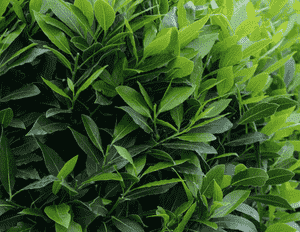
When selecting plants for your outdoor space, Bay laurel's aesthetic charm is undeniable. This evergreen shrub or small tree offers year-round greenery and adapts well to both modern and traditional garden designs. Its dark green, glossy leaves provide rich texture and color, serving as an excellent backdrop for vibrant seasonal blooms or more subtle foliage. Furthermore, Bay laurel can be shaped into various forms, such as hedges or topiaries, adding elegance and structure to your garden.
Environmental Advantages: The Ecological Benefits of Cultivating Bay Laurel
Bay laurel is more than just attractive; it also provides numerous environmental benefits. This resilient plant helps improve air quality by absorbing pollutants and releasing oxygen. Its dense foliage offers shelter and habitats for various beneficial insects and birds, boosting local biodiversity. Additionally, established Bay laurel is drought-tolerant, making it an eco-friendly choice for water-wise gardens. Its ability to thrive in diverse soil types also reduces the need for soil amendments, further minimizing its ecological footprint.
Integration Advice: Positioning Bay Laurel in Your Yard
Strategic Placement: Where to Plant Bay Laurel for Optimal Growth and Visual Impact
The placement of Bay laurel in your yard is vital for both its health and the visual harmony of your landscape. Ideally, Bay laurel should be situated in a spot receiving full to partial sunlight. Consider placing it where it can act as a natural screen or windbreak, such as along property lines or near outdoor living areas. Its suitability for container growing also allows it to be placed on patios or decks, bringing greenery closer to your home. Proper spacing is also crucial; ensure ample room for Bay laurel to grow without overcrowding, which can lead to disease and stunted development.
Companion Planting: Ideal Plant Partners for Bay Laurel
Selecting appropriate companions for Bay laurel can enhance your garden's overall appeal and health. Plants with similar water and sunlight requirements, such as lavender, rosemary, or sage, make excellent partners. These aromatic herbs not only complement Bay laurel visually but also contribute to a fragrant and inviting garden atmosphere. Ornamental grasses and flowering perennials can also be planted nearby to create a diverse and visually pleasing landscape. The key is to choose plants that won't aggressively compete for resources, ensuring all your garden inhabitants flourish.
Bay Laurel Maintenance Best Practices
Pruning Techniques: Keeping Bay Laurel Healthy and Attractive
Regular pruning is essential for maintaining Bay laurel's health and appearance. Pruning helps remove dead or diseased branches, promotes air circulation, and allows sunlight to reach the plant's inner parts. For hedges or topiaries, frequent trimming will be necessary to maintain the desired shape. It's best to prune in spring or early summer when the plant is actively growing. Always use sharp, clean tools to prevent disease spread, and avoid heavy pruning near winter, as this can stress the plant and make it more susceptible to cold damage.
Seasonal Considerations: Adapting Bay Laurel Care Throughout the Year
Caring for Bay laurel requires some seasonal adjustments to ensure its year-round health. During spring and early summer, focus on growth by providing adequate water and nutrients. Mulching around the base can help retain moisture and regulate soil temperature. In autumn, prepare Bay laurel for winter by reducing watering and adding a layer of mulch to protect roots from freezing. Regularly check for pests and diseases, especially in warmer months, and take action as needed to prevent infestations from spreading.
Design Inspirations with Bay Laurel
Creating Garden Focal Points with Bay Laurel
Bay laurel can serve as a striking focal point in your garden design. A single Bay laurel in an eye-catching container or a well-chosen spot can draw attention and create balance. Pruned into a standard tree form or an elaborate topiary, Bay laurel becomes a living sculpture, adding an artistic element to your outdoor space. When paired with underplantings of low-growing ground covers or trailing plants, it creates a layered and dynamic visual effect that enhances any garden layout.
Enhancing Pathways and Garden Borders with Bay Laurel
Using Bay laurel to line pathways or create garden borders can elevate your landscape's overall design. Its dense, evergreen foliage creates a neat and attractive boundary that guides visitors and defines different garden areas. When used as a hedge, Bay laurel provides a sense of enclosure and privacy without artificial barriers. Combining Bay laurel with flowering shrubs or perennial flowers along pathways adds color and interest, making your garden walks more enjoyable and visually appealing.



