Enhancing Your Garden Design with the Perennial pea Plant: A Landscaping Guide
1
Perennial pea flourishes in bright locations and soil that drains effectively.
2
Integrating Perennial pea with other flora can produce impressive garden aesthetics.
3
Requiring minimal upkeep, Perennial pea draws in helpful creatures, improving your garden's natural balance.
Introducing Perennial Pea to Your Landscape
Overview of Perennial pea as a landscaping plant
Perennial pea is a versatile plant that can enhance the beauty of any garden. Known for its vibrant blooms and climbing habit, Perennial pea can be trained on trellises, fences, or allowed to spread as ground cover. Its perennial nature ensures that once established, it will return annually with minimal effort, providing consistent beauty and structure to your landscape.
The aesthetic appeal of Perennial pea
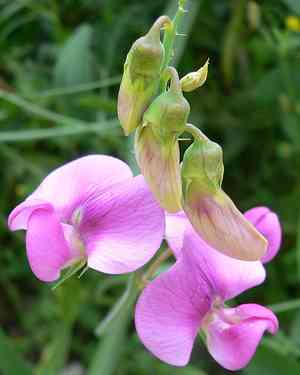
The charm of Perennial pea lies in its striking flowers, which come in shades of pink, crimson, and white. These blooms add a splash of color that can brighten any garden space. Additionally, the lush green foliage of Perennial pea creates a dense mat that contrasts beautifully with other plants, making it a wonderful choice for creating vibrant garden beds or for use as a natural screen.
Optimal Placement for Perennial Pea in Your Garden
Sunny spots: Maximizing growth and bloom
To achieve the best performance from Perennial pea, plant it in a location that receives full sun. These spots will encourage vigorous growth and abundant flowering. Well-drained soil is also crucial, as Perennial pea does not thrive in waterlogged conditions. Ensure that the site allows the roots to spread and establish themselves deeply, promoting a healthier and more resilient plant.
Combining with other plants: Complementary choices
Perennial pea pairs well with a variety of garden plants. For a harmonious look, consider combining it with perennials that have contrasting foliage or flowers. Lavender, with its silvery leaves and purple blooms, creates a beautiful contrast with the bright flowers of Perennial pea. Additionally, placing Perennial pea near tall ornamental grasses can provide a textural balance, making your landscape design more dynamic and engaging.
Design Concepts Using Perennial Pea
Creating color contrasts in garden beds
One of the most effective ways to use Perennial pea in your landscaping is to create color contrasts. Plant Perennial pea in clusters to form a bold, colorful statement in garden beds. Pairing it with plants of different colors, such as yellow daylilies or blue salvias, can make your garden pop. By carefully selecting complementary colors, you can design a visually striking landscape that is both beautiful and cohesive.
Using Perennial pea in vertical gardening
Perennial pea is ideal for vertical gardening due to its climbing nature. You can train it to grow up trellises, arbors, or fences, adding vertical interest to your garden. This not only maximizes space but also creates a lush, green backdrop that can be quite stunning. Vertical structures covered in Perennial pea can also provide privacy and shade, making your outdoor space more enjoyable.
Seasonal Considerations for Perennial Pea
Best times to plant Perennial pea for optimal results
To ensure a successful start for your Perennial pea, plant it in the spring after the last frost. This timing allows the plant to establish itself during the growing season. Spring planting ensures that the roots have enough time to develop before the heat of summer sets in, promoting robust growth and a healthier plant.
Preparing Perennial pea for different seasons
As a perennial, Perennial pea requires some seasonal care to maintain its health and appearance. In the fall, cut back dead or dying foliage to tidy up the garden and prevent disease. Mulching around the base of the plant can protect the roots during the winter months. In spring, a light application of balanced fertilizer can promote vigorous new growth, ensuring a spectacular display of flowers.
Long-Term Benefits of Including Perennial Pea in Your Landscape
Low maintenance yet high impact
Perennial pea is a low-maintenance plant that provides high visual impact. Once established, it requires minimal care and can thrive with just occasional watering and pruning. This makes it an excellent choice for gardeners who want a beautiful, yet easy-to-manage landscape.
Attraction of wildlife and ecological benefits
Incorporating Perennial pea into your garden can also benefit the local ecosystem. Its flowers attract pollinators like bees and butterflies, which are crucial for a healthy environment. Additionally, Perennial pea can provide habitat and food for other beneficial insects and animals, contributing to the biodiversity of your garden.



