Enhancing Your Garden Design with the Common lantana Plant: A Landscaping Guide
1
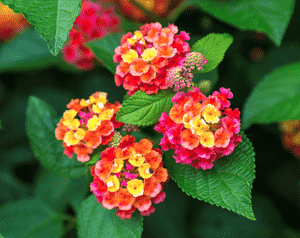
Lantana camara is recognized for its lively, multi-hued flowers, capable of enhancing the aesthetic appeal of any outdoor space.
2
Lantana camara flourishes optimally in direct sunlight, though it can tolerate some dappled light.
3
Consistent trimming and upkeep are crucial for maintaining the well-being of Lantana camara and controlling its spread.
Introduction to Lantana camara in Outdoor Spaces
Brief overview of Lantana camara's characteristics
Lantana camara is a versatile shrub recognized for its vibrant and fragrant blossoms. These flowers display a range of shades, including yellows, reds, blues, and purples, frequently altering colors as they mature, which adds a lively visual element to any garden. Originating from tropical regions, Lantana camara is a resilient plant capable of enduring diverse climatic conditions, making it an excellent choice for both novice and experienced gardeners.
Why Lantana camara is a popular choice for garden landscaping
Lantana camara is favored by gardeners for its extended blooming period, ease of care, and appeal to pollinators such as bees and butterflies. This plant also offers strong resistance to pests and diseases, ensuring it remains a stable and lasting feature of your garden. Furthermore, its dense foliage provides excellent ground cover, creating a lush, green backdrop for the colorful flowers.
Designing With Lantana camara: Integrating Color and Form
Utilizing Lantana camara's vibrant colors to enhance visual interest
The bright and cheerful blooms of Lantana camara are perfect for enlivening garden borders, patios, and pathways. You can create striking visual contrasts by pairing Lantana camara with plants that have complementary or contrasting flower colors. For instance, placing Lantana camara alongside dark-leaved plants or those with deep purples and reds can create a beautiful, eye-catching display.
Complementing other plants with Lantana camara's form
Lantana camara can be used effectively in various garden layouts, whether as a hedge, a solitary specimen, or part of a mixed border. Its spreading habit can fill empty garden areas, while its upright growth makes it suitable for planter boxes and hanging baskets. By combining Lantana camara with plants of different heights and textures, you can create a garden design that is both dynamic and cohesive.
Seasonal Considerations for Lantana camara
Optimal planting times for Lantana camara for best growth
To ensure the healthiest growth, Lantana camara should be planted in early spring after the last frost. This timing allows the plant to establish its root system before the summer heat arrives. Alternatively, planting in early autumn is another option, especially in warmer climates where the growing season extends later into the year.
How Lantana camara adapts to different seasons
Lantana camara is a perennial in frost-free climates, retaining its foliage and flowering almost year-round. In colder regions, however, it behaves as an annual, often requiring replanting each spring. Despite this, its rapid growth rate and sprawling habit mean it quickly establishes itself and begins producing blooms soon after planting.
Maintaining Lantana camara in Your Landscaping Design
Basic maintenance tips for Lantana camara
To keep Lantana camara thriving, it's important to water it regularly, especially during dry periods, but ensure the soil drains well to prevent waterlogging. Pruning Lantana camara not only helps maintain its shape but also encourages more abundant blooming. A balanced, slow-release fertilizer applied during the growing season will provide the necessary nutrients for robust growth.
Common challenges when growing Lantana camara and how to overcome them
While Lantana camara is generally hardy, it can occasionally face issues like aphids, whiteflies, and powdery mildew. Regularly inspecting your plants and treating problems early with appropriate insecticides or fungicides will minimize damage. Additionally, to prevent overgrowth, regular pruning is essential as Lantana camara can become invasive in some areas if left unchecked. Thinning out the plants and cutting back after flowering can help manage this.



