Enhancing Your Garden Design with the Bleeding heart Plant: A Landscaping Guide
1
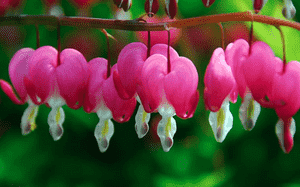
Bleeding heart offers a captivating aesthetic due to its distinctive heart-shaped blooms.
2
It flourishes in low-light environments, making it ideal for garden areas with less sun exposure.
3
Integrating Bleeding heart with other flora can produce vibrant color and textural variations in your garden.
Introducing Bleeding Heart to Your Landscape
Understanding the visual impact of Bleeding heart on garden aesthetics
A delightful feature of Bleeding heart is its distinctive heart-shaped blossoms, which lend a romantic and elegant touch to any garden. Their gentle, arching stems and vivid hues create a visual flow that captivates the eye and invites admiration. When placed thoughtfully, Bleeding heart can transform a simple garden into a whimsical, fairytale-like setting. Their lush green foliage also offers an ideal backdrop, enhancing the overall beauty of your garden landscape.
The role of Bleeding heart in creating focal points in garden designs
In landscape design, establishing focal points is vital for directing the viewer's gaze and creating a sense of order and intrigue. Bleeding heart excels at this, thanks to its unique appearance and striking flowers. Positioning Bleeding heart in key garden areas, such as near paths or in front of less visually intense plants, ensures it stands out and draws attention. This not only adds depth but also introduces a central element that can anchor your entire design.
Integrating Bleeding heart into Various Garden Styles
How to incorporate Bleeding heart in formal garden settings
Formal gardens are characterized by their symmetrical patterns, geometric forms, and precise plant arrangements. Integrating Bleeding heart into such gardens demands careful planning. Consider using Bleeding heart along garden borders or within structured flower beds to introduce a softer, more natural look without disrupting the overall formality. Their graceful arching stems can soften the rigidity of the formal design, providing a beautiful contrast that enhances both styles.
Using Bleeding heart in informal, cottage-style gardens
Cottage gardens are known for their abundance of flowers, relaxed layout, and charming, rustic appeal. Bleeding heart fits perfectly into this theme with its delicate, almost wild appearance. Plant Bleeding heart alongside other perennials like foxgloves, delphiniums, or daisies to achieve an organized chaos that is both inviting and beautiful. The varied heights and textures will contribute to the garden's layered, lush look, capturing the essence of an informal, cottage-style landscape.
Adapting Bleeding heart to small spaces and urban gardens
For gardeners with limited space, such as in urban environments or small yards, Bleeding heart can be a wonderful addition. Its moderate size and preference for shade make it ideal for containers or shaded balconies. To maximize your space, consider vertical gardening techniques, planting Bleeding heart in hanging baskets or tiered planters, allowing its elegant flowers to cascade down. This provides a lush, green backdrop that enhances the ambiance of small outdoor areas.
Seasonal Considerations for Bleeding heart in Your Garden
Optimal seasons for planting Bleeding heart for maximum bloom
Timing is crucial when planting Bleeding heart to ensure it thrives and blooms beautifully. The best time to plant Bleeding heart is in the early spring or fall when the weather is cooler. This allows the plant to establish its roots before the more intense summer heat. Early spring planting will yield blooms in late spring to early summer, providing a stunning display of flowers. Fall planting, on the other hand, allows the plant to focus on root development, ensuring robust growth in the following season.
Managing Bleeding heart during different weather conditions
Weather conditions can significantly impact the health and growth of Bleeding heart. In hot and dry climates, providing ample shade and frequent watering is crucial to prevent wilting and stress. During the rainy season, ensure good drainage to prevent root rot. In colder regions, mulching around the base of Bleeding heart can protect it from frost and maintain soil moisture. Understanding and adapting to these weather challenges will keep your Bleeding heart looking vibrant and healthy throughout the year.
Companion Plants and Combinations with Bleeding heart
Best companion plants to pair with Bleeding heart for color harmony
When selecting companion plants for Bleeding heart, consider those that bloom around the same time and complement its colors. Ferns, hostas, and astilbes are excellent choices, as they thrive in similar conditions and offer contrasting textures and colors. The lush greens of ferns and hostas create a calming backdrop that highlights the vibrant, heart-shaped flowers of Bleeding heart. This combination ensures a harmonious and visually appealing garden display.
Creating texture contrast using Bleeding heart and other plants
Texture contrast is an important element in landscape design, providing visual interest and depth. Pair Bleeding heart with plants that have varying leaf shapes and sizes, such as ornamental grasses or ground covers like creeping jenny. The delicate, arching stems of Bleeding heart contrast beautifully with the linear shapes of grasses and the low-spreading habit of ground covers. This mix of textures creates a dynamic and engaging garden space that remains interesting throughout the seasons.
Common Misconceptions and Challenges with Bleeding heart
Debunking myths around the care and maintenance of Bleeding heart
A common misconception about Bleeding heart is that it is difficult to grow and maintain. In reality, Bleeding heart is relatively low-maintenance once established. It requires minimal pruning and is not particularly susceptible to pests. The key is to plant it in the right conditionsâmoist, well-drained soil with partial to full shade. Regular watering during dry spells and occasional feeding with a balanced fertilizer can keep your Bleeding heart thriving with little effort.
Addressing common landscaping challenges with Bleeding heart
One of the common challenges when landscaping with Bleeding heart is its preference for shady areas, which might limit your planting options. However, this can be turned into an advantage by using Bleeding heart to brighten up darker, less inviting garden corners. Another challenge is its tendency to go dormant in the summer. To manage this, plant Bleeding heart alongside perennials that bloom later in the season, ensuring your garden remains colorful even when Bleeding heart retreats. This strategic planning allows you to enjoy the beauty of Bleeding heart while maintaining a vibrant garden landscape.



