Enhancing Your Garden Design with the Crepe myrtle Plant: A Landscaping Guide
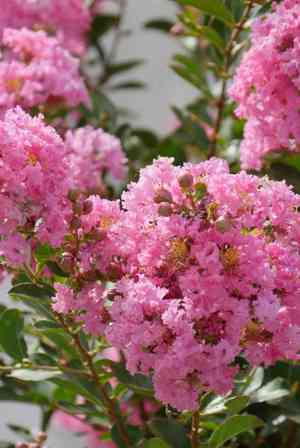
1
The crepe myrtle offers adaptability and aesthetic charm to any landscape.
2
It fulfills various roles, such as a central feature, boundary plant, and shade provider.
3
Knowing how to care for it throughout the year and addressing typical issues guarantees robust and flourishing development.
An Introduction to Designing with Crepe Myrtle
Understanding the aesthetic appeal of Crepe Myrtle
Crepe myrtle is celebrated for its striking beauty, featuring vibrant flowers that bloom throughout summer and autumn. Its bark displays intricate patterns, adding texture and visual interest even during its dormant winter phase. The plant's lively blossoms and varied foliage offer a dynamic spectrum of colors, making Crepe myrtle a highlight in any garden. This plant appeals to gardeners who value a blend of beauty and hardiness.
Advantages of selecting Crepe Myrtle for your garden
Choosing Crepe myrtle for your garden offers numerous advantages, such as its minimal care requirements and strong drought resistance once established. Crepe myrtle adapts well to various soil types and sun exposures, making it an excellent option for diverse garden settings. It also attracts pollinators like bees and butterflies, which can improve your garden ecosystem's overall health. Furthermore, its extended blooming period ensures your garden remains colorful for longer seasons.
Design Concepts Featuring Crepe Myrtle
Establishing focal points with Crepe Myrtle
Crepe myrtle is ideal for creating focal points in your landscape design. Its stunning flowers and distinctive bark can capture attention and serve as a centerpiece in your garden. Position Crepe myrtle in a prominent location, such as near a patio or along pathways, where its beauty can be fully appreciated. Pairing it with garden sculptures or water features can further enhance its visual impact, creating a tranquil and picturesque area in your garden.
Integrating Crepe Myrtle into borders and pathways
Incorporating Crepe myrtle into borders and pathways can define areas and create graceful transitions within your garden. Planting Crepe myrtle along the edges of garden beds or walkways provides structure and visual rhythm to the landscape. Its layered foliage blends well with other border plants, adding depth and texture. This approach not only enhances your garden's beauty but also ensures efficient use of space, guiding visitors through your garden in an aesthetically pleasing manner.
Utilizing Crepe Myrtle for shade and seclusion
Beyond its aesthetic qualities, Crepe myrtle can be used to provide shade and privacy in your garden. Taller varieties of Crepe myrtle create partial shade that can protect other plants and offer cool, inviting spots for relaxation during hot summer days. Additionally, Crepe myrtle can function as a natural privacy screen. When planted in rows or clusters, its dense foliage acts as a barrier, providing seclusion from neighboring views without the need for artificial structures.
Companion Plants for Crepe Myrtle
Choosing underplantings for Crepe Myrtle
When selecting underplantings for Crepe myrtle, opt for low-growing perennials and ground covers that thrive in similar conditions. Plants such as hostas, ferns, and liriope work well as they complement the tall stature of Crepe myrtle without competing for resources. These underplantings can add extra color and texture at the base, enhancing your garden's overall aesthetic while offering practical benefits like weed suppression and soil moisture retention.
Optimal companion plants for color and texture contrast
The best companion plants for Crepe myrtle are those that offer contrasting color and texture, creating a balanced and dynamic garden design. Consider pairing Crepe myrtle with plants like Russian sage, coneflowers, or ornamental grasses. These plants not only provide contrasting color schemes but also differ in leaf shape and size, adding complexity to your landscape. This thoughtful combination can make your garden more visually appealing and ensure a cohesive design throughout the seasons.
Seasonal Maintenance Tips for Crepe Myrtle
Spring care essentials
Spring is the time to prepare your Crepe myrtle for the upcoming growing season. Begin by pruning any dead or damaged branches to encourage new growth. Apply a balanced fertilizer to boost the plant's energy levels, ensuring vibrant blooms. Mulching around the base helps retain moisture and suppress weeds, while ensuring the mulch doesn't touch the trunk can prevent rot. Regular watering during dry periods, especially as new growth emerges, keeps the plant healthy and robust.
Preparing Crepe Myrtle for winter
Preparing Crepe myrtle for winter involves several steps to ensure its survival through the cold months. Start by trimming back any long, spindly growth to prevent breakage from snow and ice. Applying a layer of mulch around the root zone can help insulate the roots from freezing temperatures. In particularly cold climates, wrapping the plant's base with burlap can offer additional protection. Remember to reduce watering as the plant enters dormancy to prevent root rot.
Common Challenges in Landscaping with Crepe Myrtle
Managing common pests and diseases
Common pests and diseases can affect Crepe myrtle, such as aphids, powdery mildew, and sooty mold. Regular inspection and prompt action are vital for controlling these issues. Use insecticidal soaps or neem oil to manage minor aphid infestations. Ensuring good air circulation around the plant can reduce the incidence of fungal diseases. In severe cases, consult a local extension service or gardening expert for specific treatment recommendations.
Controlling overgrowth and maintaining form
Maintaining the shape and size of Crepe myrtle requires regular pruning and trimming. Overgrowth can lead to leggy branches and reduced flowering. Prune annually in late winter or early spring before new growth begins, shaping the plant to encourage a strong framework. Removing suckers and thinning branches ensures better light penetration and air circulation within the canopy. Consistent pruning not only keeps the plant aesthetically pleasing but also promotes healthier growth and more abundant blooms.



