Enhancing Your Garden Design with the Sheep laurel Plant: A Landscaping Guide
1
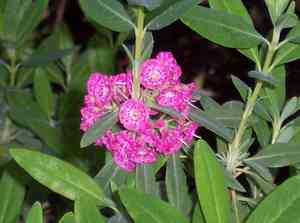
Kalmia angustifolia originates from North America and flourishes in damp, acidic ground.
2
It yields vivid, campanulate blossoms that contribute a striking aesthetic to any landscape.
3
Kalmia angustifolia is effective at drawing in fauna, making it an excellent inclusion for wildlife habitats.
Introducing Sheep Laurel in Landscaping
Overview of Sheep Laurel's Natural Environment and Appearance
Sheep laurel, also known as Sheep laurel, is a shrub indigenous to North America, typically found in damp, acidic soils such as those in bogs and marshy areas. Growing up to 1.5 meters tall, this evergreen shrub features slender leaves that are dark green on top and lighter underneath. Its defining characteristic is its vivid clusters of bell-shaped blossoms, ranging from deep pink to reddish tones, making it a striking addition to any garden.
The Aesthetic Contribution of Sheep Laurel in Garden Design
The visual appeal of Sheep laurel stems from its distinctive look and bright, attractive flowers. The blooming clusters of Sheep laurel create stunning visual spectacles throughout spring and early summer. This plant's ability to retain its vibrant foliage year-round ensures continuous interest. The combination of colorful blooms during its flowering season and its evergreen nature guarantees that Sheep laurel stands out in any garden plan.
Popular Landscape Themes Incorporating Sheep Laurel
Sheep laurel can be a key component of various garden styles, from formal to wild, naturalistic arrangements. While it pairs wonderfully with cottage gardens, where its informal growth habits are appreciated, Sheep laurel can also be integrated into more structured designs if managed carefully. Its natural suitability for wet and acidic environments makes it ideal for bog gardens, wildlife-attracting setups, and shaded landscapes.
Integrating Sheep Laurel into Diverse Garden Styles
Utilizing Sheep Laurel in Formal Garden Arrangements
While formal gardens typically emphasize symmetry and order, Sheep laurel can introduce a touch of natural elegance within structured designs. By strategically placing Sheep laurel along walkways or in designated flower beds, you can balance the formality with its lush, vibrant flowers and foliage. Regular pruning helps maintain its form and ensures it complements the geometric themes of formal landscapes.
Enhancing Cottage Gardens with Sheep Laurel
Sheep laurel perfectly complements the relaxed and romantic style of cottage gardens. Its natural appearance and bright flowers blend well with other cottage garden staples like lilies, daisies, and hollyhocks. Plant Sheep laurel in groups or alongside other shrubs to create a diverse tapestry of textures and colors that bloom throughout the growing season, enhancing the whimsical and informal aesthetic of cottage gardens.
Incorporating Sheep Laurel into Contemporary Landscape Designs
Modern garden designs often prioritize minimalism and clean lines, but Sheep laurel can still play a significant role. Use it as a focal point in a minimalist garden by planting it in stylish, modern containers or raised beds. The contrast between Sheep laurel's natural, vivid foliage and the sleek lines of modern elements like steel planters or wooden decking creates a striking visual juxtaposition.
Gardens Focused on Wildlife Attraction and Sheep Laurel's Contribution
Wildlife gardens greatly benefit from the inclusion of Sheep laurel. Its flowers attract pollinators such as bees and butterflies, while its foliage provides shelter for various insects. To create a harmonious wildlife garden, plant Sheep laurel alongside other native flora that supports the local ecosystem, such as grasses and wildflowers. Its presence adds both beauty and function, enhancing the biodiversity of your garden space.
Seasonal Considerations for Sheep Laurel
Spring and Summer Flowering Patterns of Sheep Laurel
In spring and early summer, Sheep laurel bursts into bloom with clusters of vibrant flowers. This flowering period is an excellent time for gardeners to highlight the plant's beauty in their landscapes. Regular watering during dry spells and minimal pruning after blooming can help maintain its health and appearance, ensuring a long and impressive display of flowers.
Autumn and Winter Presence in the Garden
Even after the blooms have faded, Sheep laurel continues to enhance your garden throughout the fall and winter months. Its evergreen leaves retain their deep green hue, providing foliage and texture during times when many other plants have gone dormant. Sheep laurel's persistent presence makes it a valuable plant for ensuring year-round interest in your garden landscape.
Companion Plants and Design Elements for Sheep Laurel
Ideal Companion Plants for Sheep Laurel
Sheep laurel pairs best with plants that thrive in similar conditionsâmoist, acidic soils. Companion plants like rhododendrons, azaleas, and mountain laurel share Sheep laurel's soil and water requirements and bloom around similar times, creating a cohesive and vibrant display. Groundcovers like ferns and mosses can also be excellent companions, adding layers of texture and depth to the landscape.
Design Elements that Emphasize Sheep Laurel's Features
To truly let Sheep laurel shine in your garden, consider incorporating design elements that highlight its beauty. Mulching around its base with natural materials like pine needles or bark can enhance the aesthetic appeal while maintaining soil moisture and acidity. Edging pathways or creating borders with stones or wood can provide a striking contrast to Sheep laurel's foliage and flowers, making it a focal point in any garden layout.



