Enhancing Your Garden Design with the Neverdie Plant: A Landscaping Guide
1
Neverdie adapts well to diverse environmental conditions, making it a flexible choice for your outdoor space.
2
Neverdie is recognized for its unique look and minimal upkeep requirements.
3
Strategic positioning and nurturing of Neverdie can improve the environmental well-being of your property.
Understanding Neverdie's Role in Landscape Design
Enhancing aesthetics with Neverdie's distinct appearance
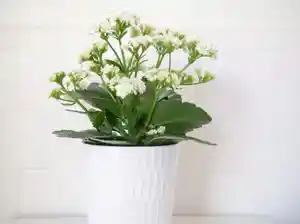
A primary reason to incorporate Neverdie into your landscape plan is its unique look. This plant features distinctive foliage that can bring elegance to any garden. Whether you desire a minimalist style or a lush green area, Neverdie's visual charm integrates seamlessly. Its vibrant green leaves capture attention and can act as a garden focal point, making spaces appear lively and well-kept.
Utilizing Neverdie for low-maintenance green spaces
If you appreciate greenery but dislike constant upkeep, Neverdie is an excellent option. Its reputation as a low-maintenance plant means it needs minimal attention once established. This characteristic makes it ideal for busy homeowners or novice gardeners. With just occasional watering and basic care, Neverdie will flourish, allowing you to enjoy a green space without the effort.
Benefits of incorporating Neverdie in eco-friendly landscaping
Using Neverdie in your landscaping offers significant eco-friendly advantages. The plant's sustainability helps reduce water consumption, making it a smart choice for environmentally conscious gardeners. Furthermore, Neverdie can improve soil health by preventing erosion and fostering biodiversity. These green attributes not only benefit the environment but also create a healthier, more sustainable garden.
Choosing the Right Location for Neverdie in Your Garden
Factors to consider when placing Neverdie
Selecting the ideal spot for Neverdie involves several considerations. First, evaluate your garden's microclimateâareas protected from strong winds and excessive shade are best. Pay attention to the existing landscape layout, ensuring Neverdie complements other plants and structures. Also, consider access for routine maintenance and avoid locations where the plant might be easily damaged.
Optimal sunlight exposure for Neverdie
For Neverdie to thrive, it needs sufficient sunlight. Ideally, position this plant where it receives morning sun and afternoon shade, especially in warmer climates. Too much direct sunlight can cause leaf sunburn, while excessive shade can impede its growth. Monitoring light exposure throughout the seasons helps maintain the plant's health.
Soil types and drainage suitability for Neverdie
Neverdie prefers well-draining soil to prevent root rot. Sandy or loamy soil types are generally most suitable. Before planting, test your soil's drainage by digging a small hole and filling it with water; if it drains quickly, the spot is perfect for Neverdie. Amending clay-heavy soils with organic matter can also enhance drainage and suitability.
Incorporating Neverdie with Other Plants
Companion planting ideas for Neverdie
Integrating Neverdie with other plants can create a vibrant and resilient garden environment. Consider pairing Neverdie with plants that share similar water and light requirements, such as succulents or other drought-tolerant species. This ensures all plants in the grouping flourish together, enhancing the overall beauty and health of your landscape.
Creating color and texture contrast with Neverdie
Using Neverdie to create contrast in your garden can produce visually stunning results. Pair its green, textured leaves with plants that offer different colors and formsâconsider bright-flowering perennials or ornamental grasses. This variety not only boosts visual interest but also provides a more layered and rich garden design.
Managing growth patterns among mixed plantings
When combining Neverdie with other plants, it's essential to manage growth patterns to prevent overcrowding. Regular pruning and spacing adjustments ensure each plant has ample room to grow. Monitor the overall health of your mixed plantings and adjust care routines as needed, striking a balance that maintains both visual appeal and plant health.
Seasonal Considerations for Neverdie in Landscapes
Preparing Neverdie for different seasons
Preparing Neverdie for seasonal changes ensures its year-round health. In warmer months, consistent watering and mulching help retain moisture and regulate soil temperature. As colder weather approaches, consider covering Neverdie with frost cloths to protect against freezing, and reduce watering to prevent waterlogged roots.
What to expect from Neverdie during dormant periods
Like many plants, Neverdie may enter a dormant phase, typically in winter. During dormancy, growth slows, and you might notice less vibrant foliage. This is a natural process, and reducing watering and fertilization during this time supports the plant's rest. Come spring, normal care routines can resume to encourage new growth.
Maintaining Neverdie in Your Landscape Design
Routine checks and minor care tips
Maintaining Neverdie is straightforward with regular inspections and minimal interventions. Periodically check for pests and diseases, and promptly remove any affected parts. Water the plant when the top inch of soil feels dry and apply a balanced fertilizer during the growing season to promote healthy development.
Addressing common issues faced by Neverdie in landscapes
Common issues for Neverdie include overwatering, which can lead to root rot, and pest infestations. To combat these, ensure proper drainage and use natural insect repellents or neem oil as needed. Additionally, stay vigilant for signs of stress, such as wilting or yellowing leaves, which may require adjustments in care routines.



