Enhancing Your Garden Design with the Rocky mountain juniper Plant: A Landscaping Guide
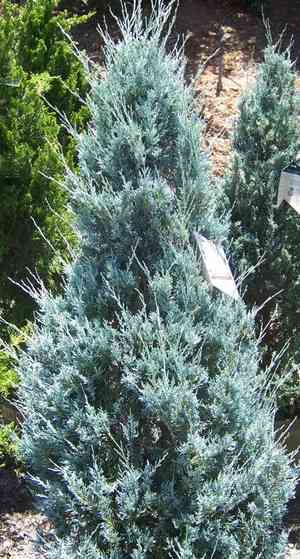
1
The Rocky Mountain juniper is a resilient plant capable of flourishing in diverse soil conditions and weather patterns.
2
Strategic positioning of Rocky Mountain juniper can establish attractive central features within your garden.
3
Incorporating Rocky Mountain juniper into your outdoor space can enhance ecological variety and purify the atmosphere.
Introducing Rocky mountain juniper to Your Garden
Assessing Your Landscape Space and Conditions
Prior to planting Rocky mountain juniper, it's crucial to evaluate your garden's current state. Observe elements such as soil composition, sun exposure, and water drainage. Rocky mountain juniper flourishes in well-drained soils and can endure various sun levels, from full sun to partial shade. Also, consider the mature dimensions of Rocky mountain juniper, as it can grow quite large and will require ample room to expand without constraint. Ensuring these conditions are met will help the plant establish and prosper.
Understanding the Growth Habits of Rocky mountain juniper
Grasping the growth patterns of Rocky mountain juniper is vital for planning its placement in your landscape. Rocky mountain juniper is recognized for its slow development and evergreen leaves, offering year-round visual appeal. It's important to account for its mature height and width, which can reach up to 30-40 feet tall and 3-15 feet wide. This plant is drought-tolerant once established and needs minimal watering, making it a low-maintenance choice for busy gardeners.
Choosing the Perfect Location for Rocky mountain juniper
Selecting the ideal spot for Rocky mountain juniper involves a blend of aesthetic and practical considerations. Position Rocky mountain juniper where it can serve as a windbreak or privacy screen, utilizing its dense foliage. Ensure it has sufficient space to grow without impeding structures or other plants. Its adaptability allows for its use in both formal and informal garden designs. By thoughtfully placing Rocky mountain juniper, you can enhance both the beauty and utility of your garden area.
Design Techniques With Rocky mountain juniper
Creating Focal Points With Rocky mountain juniper
Utilizing Rocky mountain juniper as a central feature in your landscape design can attract attention and establish a sense of equilibrium. Its distinct form and hue offer a striking contrast against other greenery and blooms. Place Rocky mountain juniper at key viewpoints, such as the end of a pathway or the center of a garden bed, to maximize its visual impact. Incorporating Rocky mountain juniper in this manner adds structure and depth to your garden, making it more engaging and visually pleasing.
Combining Rocky mountain juniper With Other Plants
Integrating Rocky mountain juniper with other plants can foster a harmonious and vibrant garden environment. Pair it with perennials that have differing bloom times to ensure continuous interest throughout the year. Complement Rocky mountain juniper's evergreen foliage with colorful shrubs and flowers. Consider plant companions that thrive in similar soil and light conditions. By carefully combining Rocky mountain juniper with other plants, you can design a garden that is both beautiful and ecologically balanced.
Leveraging Rocky mountain juniper's Texture for Visual Interest
Rocky mountain juniper's distinctive texture can be employed to heighten the visual appeal of your landscape. Its needle-like leaves provide a good contrast with broad-leaved plants and flowers. Use this textural difference to create layers and depth in your garden arrangements. Integrate Rocky mountain juniper with plants that possess varying heights, colors, and textures to develop a rich and captivating garden tapestry. By utilizing Rocky mountain juniper's texture, you can break up monotony and introduce a dynamic, tactile element to your landscape design.
Maintenance Tips for Rocky mountain juniper in Landscaping
Seasonal Care for Rocky mountain juniper
Providing care for Rocky mountain juniper throughout the seasons ensures its continued health and vibrancy. In spring, inspect for any winter damage and trim dead or diseased branches. Summer necessitates monitoring for pests and watering during severe drought, though Rocky mountain juniper is relatively drought-resistant. Autumn is perfect for mulching to safeguard roots and assist in moisture retention. In winter, consider shielding young plants from heavy snow loads. By offering seasonal care, you help Rocky mountain juniper flourish year-round.
Managing Growth: Pruning and Shaping Rocky mountain juniper
Pruning and shaping Rocky mountain juniper is vital for preserving its form and vitality. Prune in late winter to early spring before new growth emerges. Remove any dead, damaged, or diseased branches to maintain plant health. For shaping, concentrate on preserving its natural form rather than creating artificial shapes, as this keeps the plant looking natural and less stressed. Light, regular pruning helps control size and promotes denser growth. By managing its growth, you can keep Rocky mountain juniper looking its best in your landscape.
Environmental Benefits of Including Rocky mountain juniper in your Garden
Improving Air Quality with Rocky mountain juniper
Rocky mountain juniper significantly contributes to enhancing air quality in your garden. Its evergreen foliage captures pollutants and dust, leading to cleaner air. The plant also releases oxygen and absorbs carbon dioxide, which aids in reducing your garden's overall carbon footprint. Incorporating Rocky mountain juniper into your landscape design is a practical step towards fostering a healthier, more breathable environment.
Enhancing Biodiversity Through Rocky mountain juniper
Including Rocky mountain juniper in your garden boosts biodiversity by offering habitat and sustenance for various wildlife. Birds frequently use its dense foliage for nesting and its berries as a food source. Furthermore, Rocky mountain juniper supports beneficial insects that contribute to a healthy garden ecosystem. By planting Rocky mountain juniper, you encourage a more diverse and resilient garden, benefiting both the immediate environment and the local wildlife.



